Naval blockade of Iran, Hormuz mine-clearing: Can US pull it off alone?
المصدر: Gulf News | Source: Gulf NewsDubai: The United States Navy has been handed what could be its toughest assignment of the war with Iran — enforcing a sweeping maritime blockade while clearing mines from the strategic Strait of Hormuz.
Six weeks into the conflict, US President Donald Trump has ordered naval forces to choke off Iran’s oil exports while ensuring safe passage through one of the world’s most critical energy routes.
According to CNN, the mission marks a decisive shift — from an air war to a far more complex and risky confrontation at sea.
What exactly is the US trying to do?
The US plan involves two parallel operations: Blockading Iranian ports to cut off export revenues, and clearing any sea mines that could threaten shipping in Hormuz.
Trump has also widened the scope, warning that vessels paying Iran for passage could be intercepted even in international waters — a move aimed at maximising economic pressure on Tehran.
Why is the Strait of Hormuz so critical?
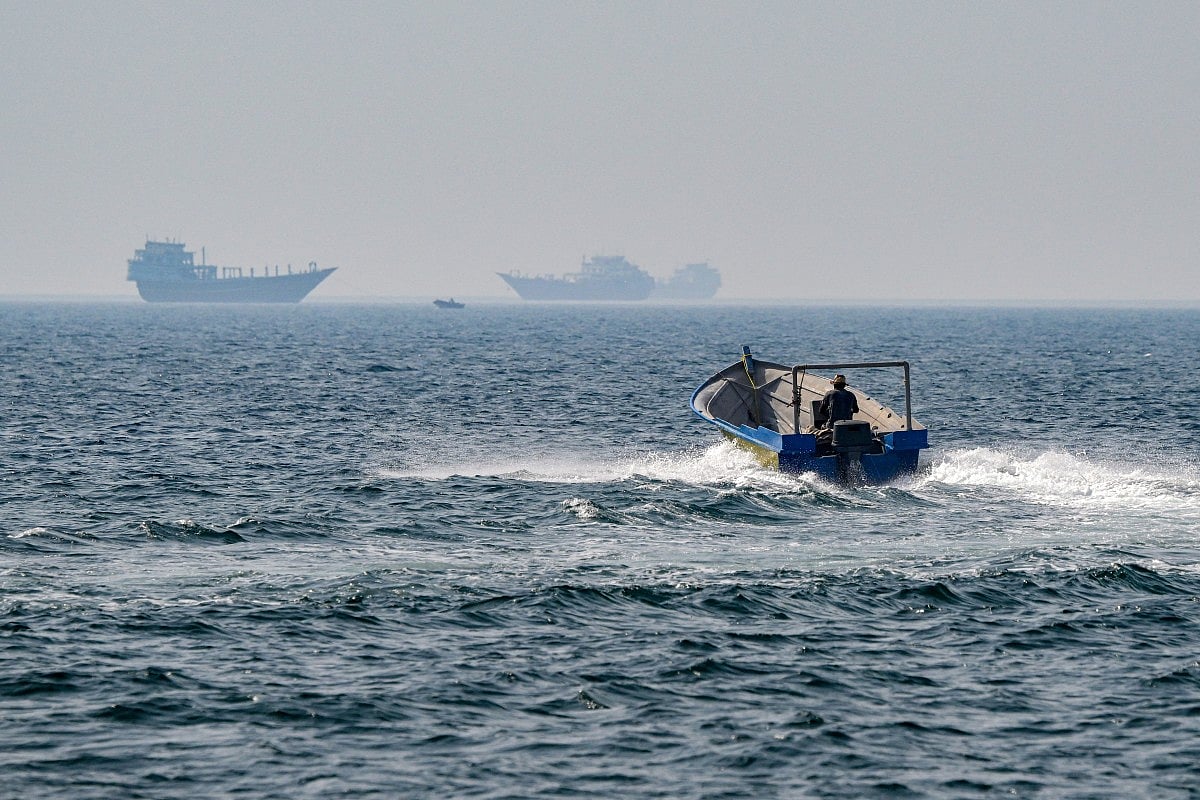
The Strait of Hormuz is one of the world’s most vital chokepoints, handling roughly 20% of global oil and gas flows.
Any disruption here can quickly ripple across global markets, pushing up fuel prices and disrupting supply chains. That makes the success — or failure — of the US mission a matter of global economic concern.
Can the US actually enforce a blockade?
In theory, yes — but in practice, it is extremely complex.
A blockade requires ships to be intercepted, boarded and diverted, often by specialised naval teams. But analysts cited by CNN say even a strong US naval presence could only stop a limited number of vessels each day.
Before the conflict, around 130 ships transited the strait daily — far more than can realistically be intercepted — highlighting the limits of enforcement.
At a glance
Toughest task: US Navy ordered to blockade Iran, clear mines
Global stakes: ~20% of oil and gas flows via Hormuz
High risk: Iran can retaliate with mines, drones, missiles
Enforcement limits: Only a fraction of ships can be intercepted
Mine danger: Advanced devices hard to detect and neutralise
Why it matters
Energy lifeline at risk: The Strait of Hormuz carries about 20% of global oil and gas flows
Economic pressure tool: US blockade aims to choke Iran’s export revenues
Escalation danger: Any clash at sea could rapidly widen the conflict
Global ripple effect: Disruptions could hit fuel prices, shipping and inflation worldwide
Allies in play: Gulf and Western navies may be drawn deeper into operations Allies key: US likely to rely on partner navies
How could Iran respond?
This is where the risks rise sharply.
Iran retains multiple ways to strike back, including fast attack boats, naval drones, land-based missiles and sea mines. Analysts warn that if Tehran views the blockade as an escalation, it could retaliate directly against US or allied vessels.
That makes the mission not just complex — but potentially combustible.
How dangerous is the mine threat?
Clearing mines is one of the most difficult naval operations.
US intelligence indicated early in the conflict that Iran had begun deploying mines in the strait. These can range from simple contact mines to sophisticated magnetic, acoustic and pressure-triggered devices.
Some are designed to evade detection or detonate only after multiple ships pass, making it hard to confirm when waters are truly safe.
According to CNN, actual mine-clearing is unlikely to be done by destroyers alone, but by specialised systems such as underwater drones, helicopters and mine-countermeasure vessels.
Does the US have the capacity to do it alone?
Not entirely.
The US Navy’s dedicated minesweeping capacity in the region is limited, meaning it may have to rely on allies and partners to fully secure the waterway.
This adds another layer of coordination — and complexity — to an already difficult mission.
So, can the US pull it off?
The answer remains uncertain.
The US has the capability to impose pressure and disrupt Iranian trade, but fully enforcing a blockade while clearing mines in such a narrow and contested waterway is a far more difficult task.
As the war shifts from the skies to the sea, the mission now facing the US Navy is not just its toughest yet — but one that could shape the course of the conflict and its global impact.
ملاحظة تحريرية | Editorial Note: نُشر هذا المقال في الأصل بواسطة Gulf News. خبر (Khabr) هي منصة إعلامية أردنية مرخّصة تعمل بالذكاء الاصطناعي. نضيف قيمة تحريرية من خلال: تحليل ذكي للأخبار، ملخصات تلقائية، رواية صوتية بالذكاء الاصطناعي، ترجمة متعددة اللغات، وتدقيق الحقائق. هدفنا جعل الأخبار أكثر وضوحاً وسهولةً للقارئ العربي.
This article was originally published by Gulf News. Khabr is a licensed Jordanian AI-powered news platform (Registration #82086). We add editorial value through: AI-powered news analysis, automated summaries, AI audio narration, multi-language translation (Arabic, English, French, Turkish), and AI fact-checking. Our mission is to make news more accessible and understandable for Arabic-speaking audiences worldwide.