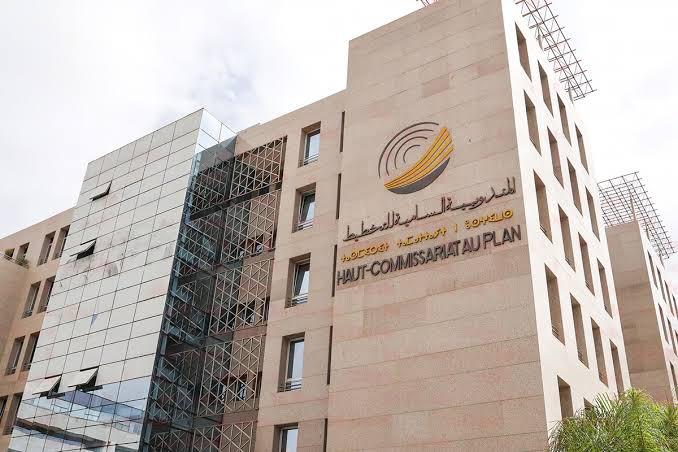
Rabat – Morocco recorded a noticeable uptick in inflation in March, as rising food prices and a sharp increase in fuel costs placed renewed pressure on household budgets, according to new figures from the High Commission for Planning (HCP).
The country’s consumer price index increased by 1.2% compared to February, marking one of the more pronounced monthly rises in recent months. The trend reflects a combination of seasonal food price shifts and volatility in energy markets, both of which continue to affect daily expenses.
Food prices stood at the center of this increase, with a 1.9% rise over one month. Vegetable prices climbed steeply, with some categories approaching double-digit growth, while fruits and meat also moved higher.
Fish and seafood followed a similar direction, though at a slower pace. A few essentials offered slight relief, as prices for oils and fats declined, alongside a minor drop in dairy products.
Outside the food basket, price growth remained more limited. However, fuel costs moved sharply upward, with a monthly jump of more than 10%, which played a decisive role in the overall increase. This rise has implications beyond transport, as it often feeds into broader costs across supply chains.
The surge in fuel prices reflects rising geopolitical tensions in the Middle East, a region central to global oil supply. Frictions involving Iran have increased concerns over the security of key shipping routes, particularly the Strait of Hormuz, which carries a major share of the world’s oil.
Even without a direct disruption, the risk alone pushes markets to react, driving prices upward. For import-dependent economies such as Morocco, the impact is immediate, with higher fuel costs feeding into transport, logistics, and ultimately consumer prices.
Different cities, different pressures
The impact of inflation did not unfold evenly across the country. Guelmim and Al Hoceima recorded the highest increases, both at +2.7%. They were followed by Errachidia (+1.8%) and Agadir (+1.6%).
In larger urban centers, the increase appeared more contained. Casablanca registered a rise of +1.0%, while Rabat and Kenitra each recorded +0.9%.
These differences point to variations in local supply conditions, transport costs, and consumption patterns, which continue to shape how inflation affects each region.
Yearly trend remains relatively stable
Despite the monthly increase, the broader inflation trend remains relatively moderate. Compared to March last year, prices rose by 0.9%, with non-food items increasing at a slightly faster pace than food products.
Some sectors even moved in the opposite direction. Leisure and cultural goods recorded a small decline, while other categories, particularly miscellaneous goods and services, posted stronger increases.
Core inflation, which excludes volatile items, showed only a slight monthly rise of 0.1% and even declined on a yearly basis. This suggests that, beyond short-term fluctuations in food and fuel, deeper inflationary pressure remains limited for now.
Still, March figures serve as a reminder that essential goods continue to shape the cost of living, with food and energy costs remaining the main drivers of price changes across Morocco.
The post Morocco Records 1.2% Inflation Rise in March as Food, Fuel Costs Climb appeared first on Morocco World News.