Middle East crisis live: Iran says it needs guarantees against attacks before Gulf can be stable
المصدر: The Guardian World | Source: The Guardian WorldTehran’s UN envoy says ‘full respect’ of Iran’s rights also key for lasting regional stability
US is being ‘humiliated’ by Iran’s leadership, says Friedrich Merz
We are restarting our live coverage of the US-Israeli war on Iran.
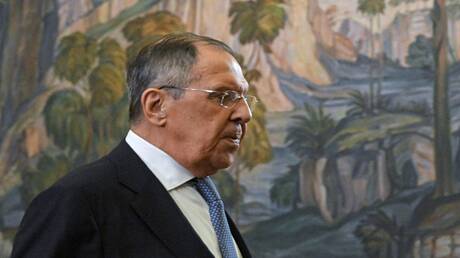
Iran needs “credible guarantees” against more US-Israeli attacks before it can ensure security in the Gulf, Tehran’s envoy to the UN has said, while on a Russian visit Iran’s foreign minister blamed Washington for the failure of peace talks.
Donald Trump is unhappy with an Iranian proposal on the war because it does not address Iran’s nuclear program, Reuters cited a US official as saying on Monday, after Trump discussed the proposal with his top national security aides. Iran had offered to end its closure of the strait of Hormuz if the US lifted its blockade and ended the war in a proposal that would postpone discussions on Iran’s nuclear program, the Associated Press reported earlier, citing two unnamed regional officials. Later reporting quoted White House spokesperson Karoline Leavitt as saying the proposal was “being discussed”.
Lebanese president Joseph Aoun said direct talks with Israel sought to end the war on Lebanon and that those who dragged Lebanon into it were the ones committing “treason” – a jab at the Iran-backed militia Hezbollah, which claimed several attacks on Israeli targets in south Lebanon on Monday.
Iraq’s newly elected president nominated businessman Ali al-Zaidi as the country’s prime minister-designate on Monday, after the country’s leaders yielded to US pressure not to support the bid of a former premier close to Iran.
The Coordination Framework – an alliance of Shia factions with varying links to Iran – had initially backed powerbroker Nouri al-Maliki to become the country’s next premier, but Trump’s ultimatum left Iraqi leaders looking elsewhere.
The US and Iran clashed at the UN on Monday over Tehran’s nuclear program and its selection to be one of dozens of vice-presidents at a month-long conference to review the nuclear non-proliferation treaty. US official Christopher Yeaw said Iran’s selection was an “affront” to the treaty. Tehran’s envoy to the International Atomic Energy Agency, Reza Najafi, rejected the US statement as “baseless and politically motivated”.
Continue reading...
ملاحظة تحريرية | Editorial Note: نُشر هذا المقال في الأصل بواسطة The Guardian World. خبر (Khabr) هي منصة إعلامية أردنية مرخّصة تعمل بالذكاء الاصطناعي. نضيف قيمة تحريرية من خلال: تحليل ذكي للأخبار، ملخصات تلقائية، رواية صوتية بالذكاء الاصطناعي، ترجمة متعددة اللغات، وتدقيق الحقائق. هدفنا جعل الأخبار أكثر وضوحاً وسهولةً للقارئ العربي.
This article was originally published by The Guardian World. Khabr is a licensed Jordanian AI-powered news platform (Registration #82086). We add editorial value through: AI-powered news analysis, automated summaries, AI audio narration, multi-language translation (Arabic, English, French, Turkish), and AI fact-checking. Our mission is to make news more accessible and understandable for Arabic-speaking audiences worldwide.