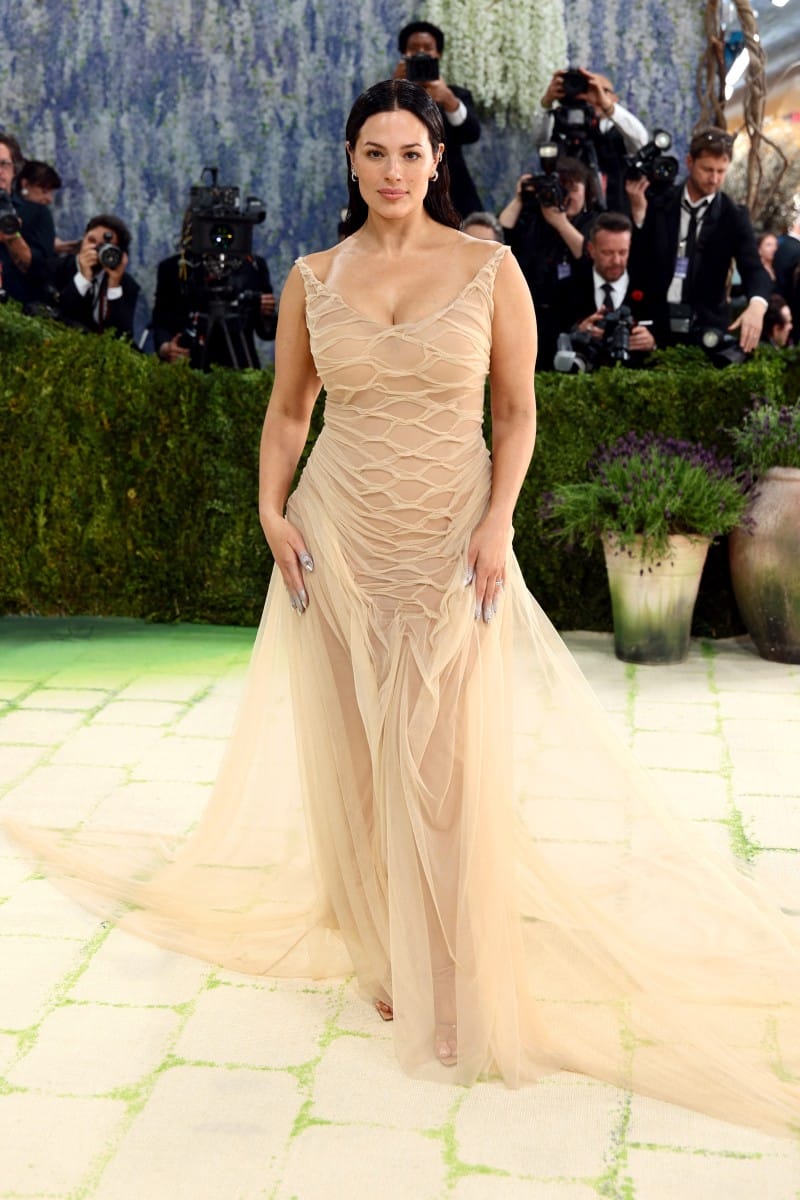
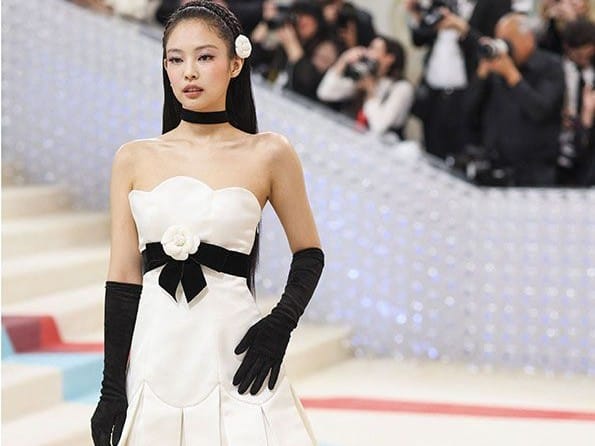
The Met Gala — formally the Metropolitan Museum of Art Costume Institute Benefit — is the iconic annual fundraising event held in New York City on the first Monday in May.
It raises money for the Costume Institute at the Metropolitan Museum of Art and also serves as the opening night for its annual major fashion exhibition.
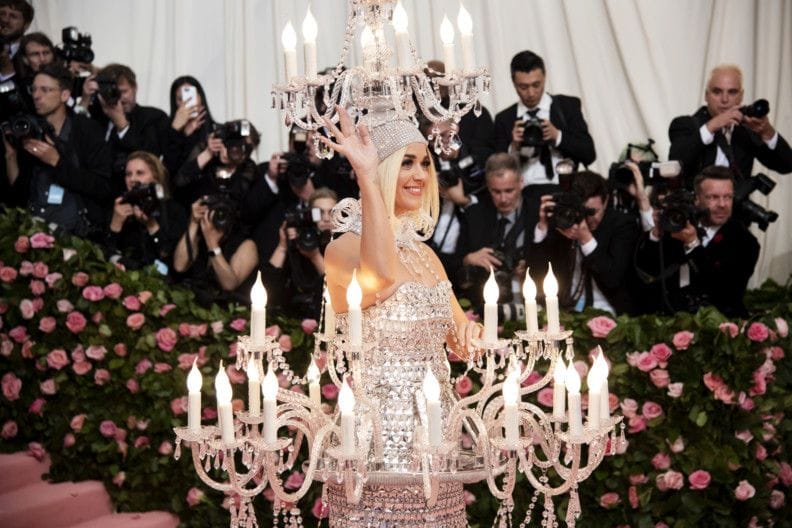
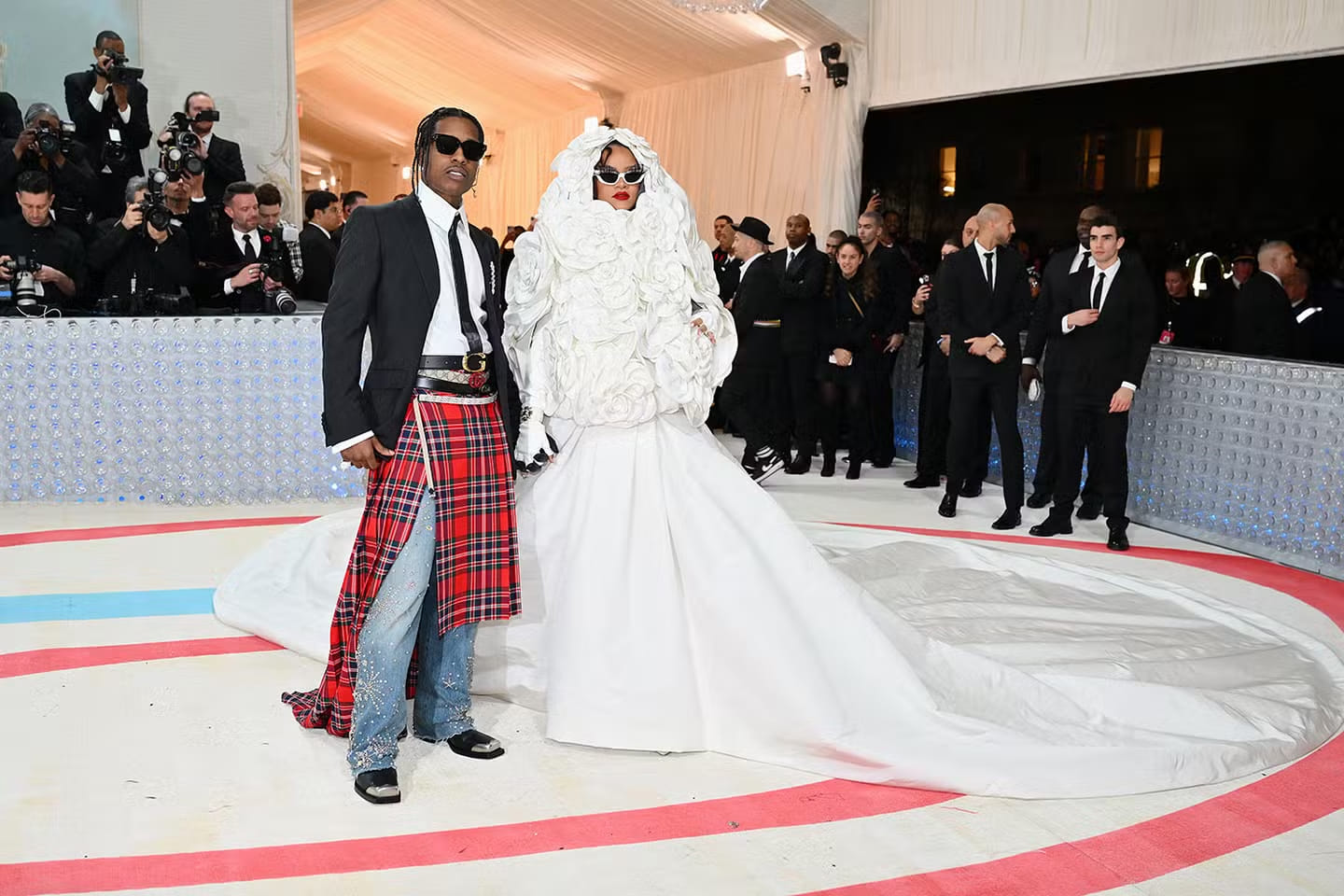
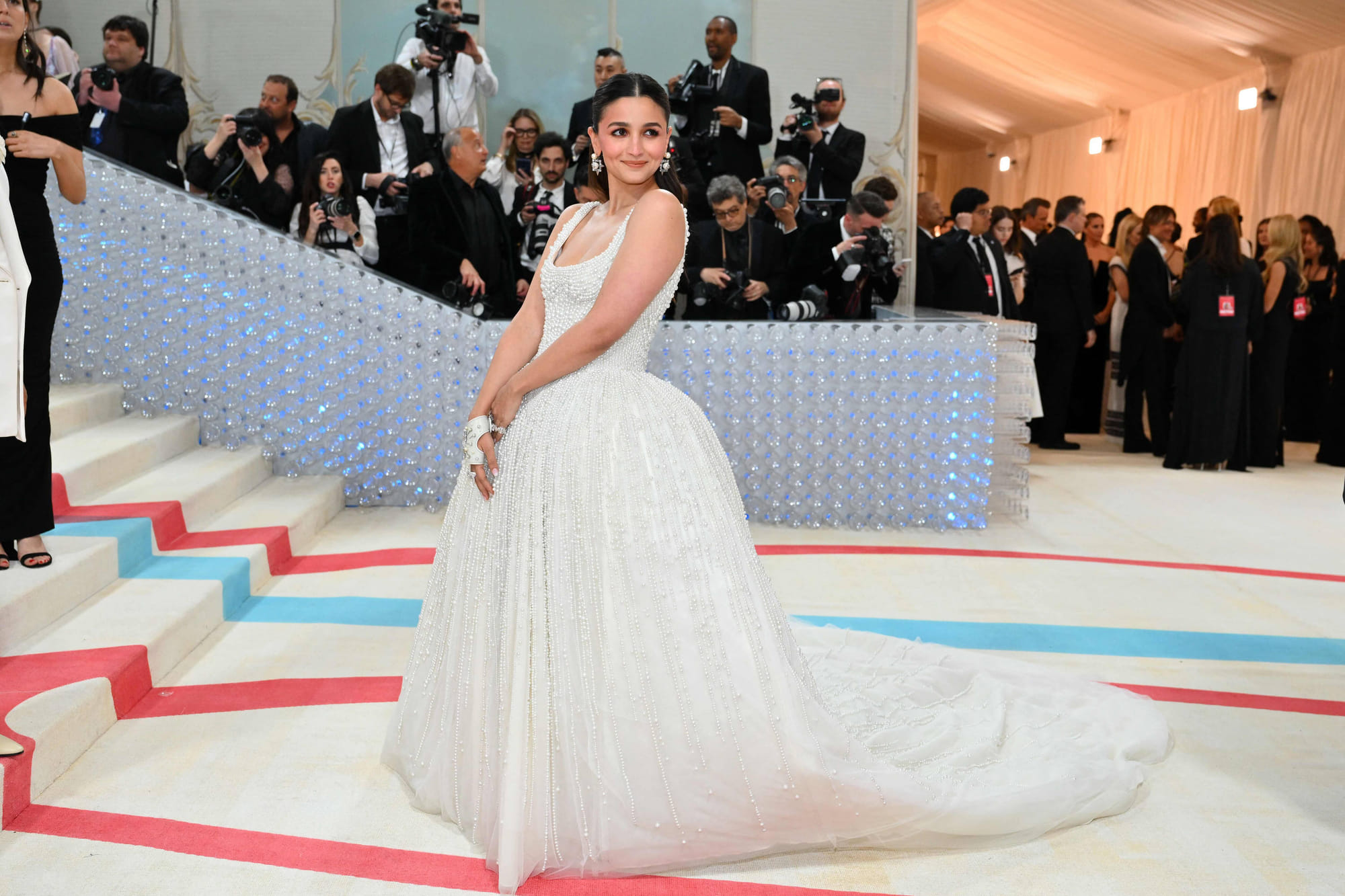
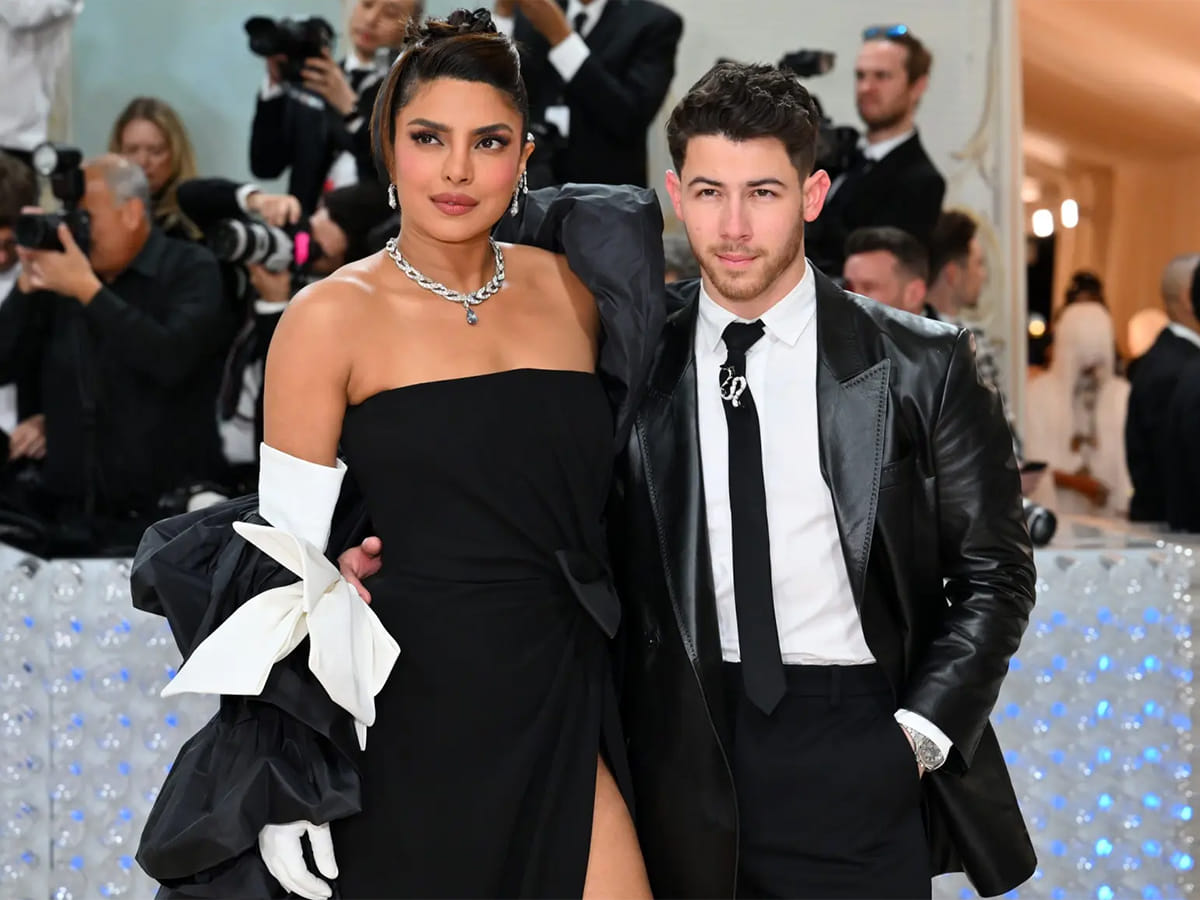
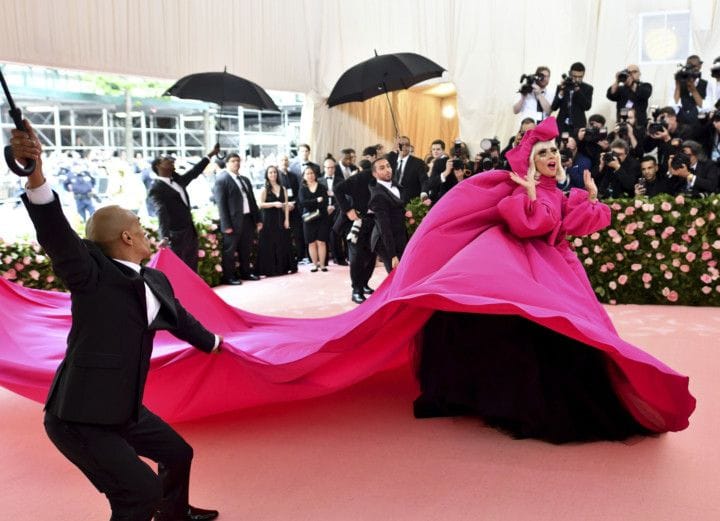
It’s widely known as “fashion’s biggest night”: an invitation-only red-carpet event where celebrities, designers, and cultural figures wear extravagant outfits inspired by a chosen theme tied to the Institute’s exhibition.
History & Timeline
Origins
1948 — First Met Gala held as a modest charity dinner to benefit the Costume Institute; tickets were about $50.
The Costume Institute itself was formed when the Museum of Costume Art merged with the Metropolitan Museum in 1946.
Evolution
1950s–60s — Gala moved around New York venues (like the Waldorf Astoria and Rainbow Room), mainly attended by fashion insiders and society figures.
1972 — Diana Vreeland, former Vogue editor, became consultant; she linked the event’s theme to the exhibit and made it more glamorous and celebrity-oriented.
1995 — Anna Wintour, longtime editor of Vogue, became chair. Under her influence, the Gala turned into a global, high-status cultural moment and a must-attend for stars across fashion, film, music, and beyond.
2000s–2010s — The first Monday in May became the established date; themes got bold and red-carpet fashion became iconic. Famous looks from Rihanna, Billy Porter, and others helped cement its reputation.
Modern Era
Ticket prices have skyrocketed — e.g., upwards of $100,000 per seat by 2026.
The event now serves both as a high-fashion spectacle and a major fundraiser, with tens of millions of dollars raised for the Costume Institute. In 2026 alone it reportedly raised a record total (e.g., $42 million).
Major moments & controversies
Pre-2020
2009: Designer Azzedine Alaïa pulled models from the Gala after his work was excluded from the exhibit, sparking debates about curatorial decisions.
2014: Elevator fight between Solange Knowles and Jay-Z (post-Gala) went viral.
2015: Kim Kardashian wore Marilyn Monroe’s iconic 1962 dress, prompting debate over preservation and body image.
2017: Some attendees were criticised for smoking inside the museum, violating rules.
2020s to present
2021: Rep. Alexandria Ocasio-Cortez wore a Tax the Rich gown, sparking discussion on wealth inequality given the Gala’s elite status.
2022: Kim Kardashian’s meticulous diet to fit into Monroe’s dress drew public and press attention.
2024: Online campaigns like Blockout 2024 emerged as pushback against celebrity culture during global crises.
Recent 2026 controversy involving Jeff Bezos
The Met Gala 2026 has become one of the most controversial editions in years — not because of fashion choices, but because Amazon founder Jeff Bezos and his wife Lauren Sánchez are prominent honorary co-chairs and major financial backers of the event.
Why it’s sparked backlash
The involvement of a tech billionaire at the center of debates over corporate power, labor practices, and socioeconomic inequality has triggered boycott calls from activists and some public figures.
New York streets have seen protest posters urging a boycott of the “Bezos Met Gala”.
Even New York’s mayor (Zohran Mamdani) declined to attend as a political statement.
Some celebrities and commentators have publicly questioned why high-profile figures would attend given this context.
Is this a boycott?
There are calls for a boycott, and some say major stars like Meryl Streep, Bella Hadid, Zendaya and NYC Mayor Zohran Mamdani are not attending in protest, according to USA Today.
Meryl Streep historically has never attended the Met Gala, and her absence in 2026 is consistent with that pattern, not solely because of Bezos. Her publicist says the Gala “has never quite been her scene”.
While her non-attendance aligns with boycott narratives circulating online, her history of not attending makes it inaccurate to say she’s newly boycotting because of Bezos.
Some celebrities may be skipping for ideological reasons, but others are attending despite the controversy, meaning there isn’t a unified industry-wide boycott.