Merz admits strained ties with Trump, urges pragmatic transatlantic engagement
•ALBAWABA- German Chancellor Friedrich Merz has acknowledged growing tensions with Donald Trump, while stressing the need to preserve working relations with Washington despite widening transatlantic di...
•He noted that while maintaining a personal rapport with the U.S.
•President is challenging, it remains necessary given Europe’s continued reliance on American security support.
هذا الخبر من البوابة. خبر يقدم أدوات ذكاء اصطناعي للتلخيص والترجمة والاستماع.
المصدر: البوابة | Source: البوابةALBAWABA- German Chancellor Friedrich Merz has acknowledged growing tensions with Donald Trump, while stressing the need to preserve working relations with Washington despite widening transatlantic divisions.
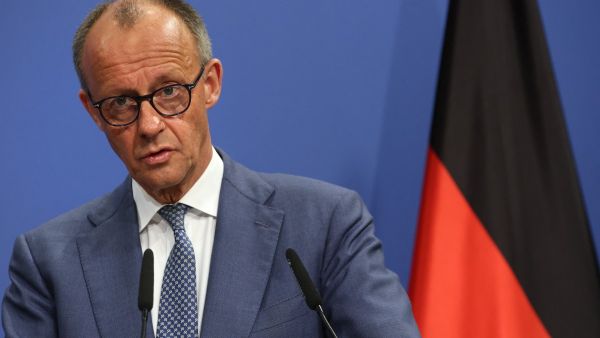
Speaking at an annual banking event in Berlin, Merz said his approach to dealing with Trump is guided by realism rather than preference. He noted that while maintaining a personal rapport with the U.S. President is challenging, it remains necessary given Europe’s continued reliance on American security support. Merz added that private discussions tend to be more constructive, though overall relations remain difficult.
He indicated that only a limited number of European leaders, including Mark Rutte, are currently able to engage Trump in relatively productive dialogue behind closed doors.
The remarks come amid rising European concern over U.S. policy shifts since Trump returned to office in 2025. His administration has pushed NATO allies to significantly increase defence spending and has questioned Washington’s long-term commitment to the alliance.
It has also altered its stance on Ukraine, halting new direct military aid and advocating for a negotiated settlement widely viewed in Europe as favourable to Russia.
These developments have accelerated calls within the European Union for greater strategic independence. Leaders, including Emmanuel Macron, have renewed efforts to strengthen European defence capabilities and reduce reliance on the United States. Similar positions have been echoed by Spanish officials, who describe U.S. pressure on NATO as a catalyst for deeper European sovereignty in security matters.
Recent disagreements, including divergent European and U.S. responses to tensions involving Iran and instability in the Strait of Hormuz, have further exposed the rift. Trump has publicly criticised European allies for limiting military cooperation, urging them to take greater responsibility for their own defence.
Despite these strains, Merz has reiterated the importance of maintaining the transatlantic alliance while preparing for a future of increased European self-reliance.
ملاحظة تحريرية | Editorial Note: نُشر هذا المقال في الأصل بواسطة البوابة. خبر (Khabr) هي منصة إعلامية أردنية مرخّصة تعمل بالذكاء الاصطناعي. نضيف قيمة تحريرية من خلال: تحليل ذكي للأخبار، ملخصات تلقائية، رواية صوتية بالذكاء الاصطناعي، ترجمة متعددة اللغات، وتدقيق الحقائق. هدفنا جعل الأخبار أكثر وضوحاً وسهولةً للقارئ العربي.
This article was originally published by البوابة. Khabr is a licensed Jordanian AI-powered news platform (Registration #82086). We add editorial value through: AI-powered news analysis, automated summaries, AI audio narration, multi-language translation (Arabic, English, French, Turkish), and AI fact-checking. Our mission is to make news more accessible and understandable for Arabic-speaking audiences worldwide.