Two groundbreaking treatments for the muscle-wasting condition, spinal muscular atrophy (MSA), have secured approval for routine NHS use in England, offering hope to hundreds of children affected by this rare genetic disorder.
The National Institute for Health and Care Excellence has given the green light for nusinersen and risdiplam to be made widely available, marking a significant milestone for families who have long campaigned for permanent access to these therapies.
Both medications were previously accessible only through special schemes while health officials gathered additional evidence on their effectiveness.
One mother whose child received early treatment described how it had "fundamentally changed the course of his life".

NICE's final draft guidance confirms the drugs can enhance survival rates, slow the progression of the disease, and help patients retain their independence.
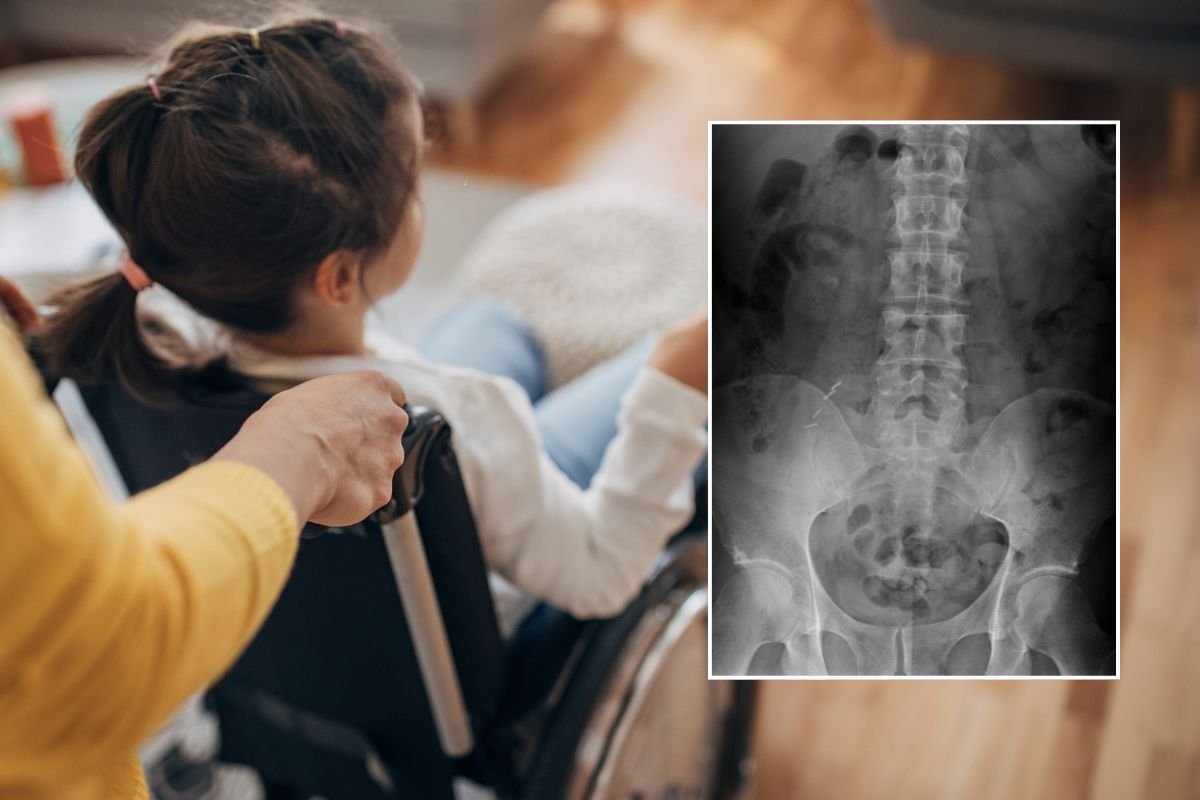
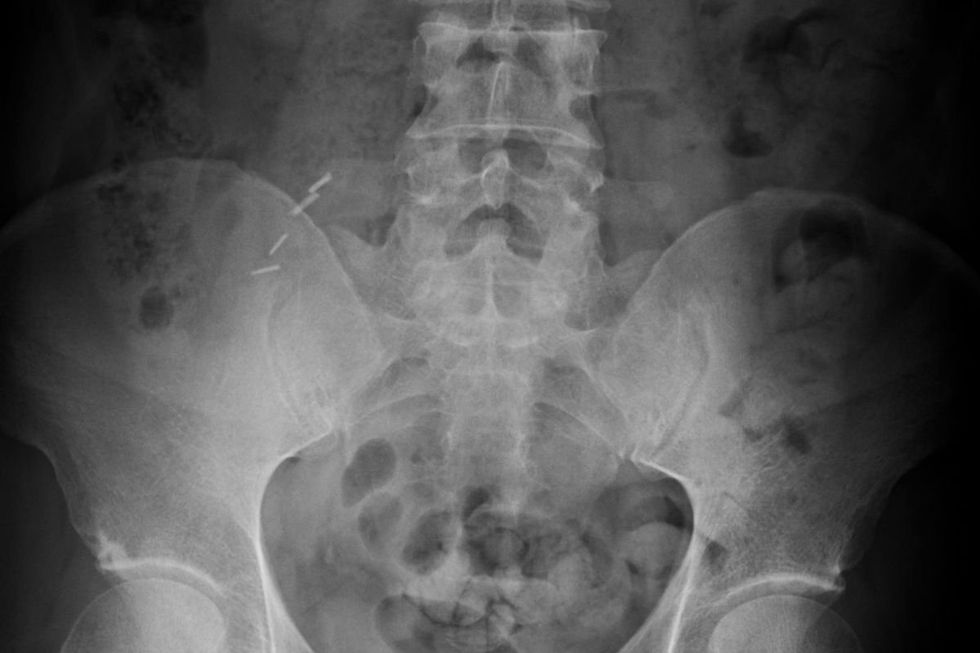
Spinal muscular atrophy is a genetic condition that causes severe muscle weakness, affecting breathing, swallowing, and movement.
Infants born with the most severe form typically face a life expectancy of under two years without intervention.
Nusinersen, marketed as Spinraza by Biogen, is administered through periodic spinal injections, while risdiplam, known as Evrysdi and produced by Roche, is taken daily as a syrup or tablet.
NHS England reports that 73 children with Type 1 SMA have now reached their fifth birthday or beyond, thanks to these therapies.
Nine-year-old Ezra Thorman from Ramsgate, Kent, began nusinersen treatment at just five months old following his 2016 diagnosis.
His mother, Portia Thorman, said: "Starting mainstream school is a milestone we were once told Ezra would never reach."
Approximately 70 babies are born with SMA annually in the UK.
LATEST DEVELOPMENTS
- 'Touching my hair was painful': Hantavirus survivor recalls most 'frightening' symptoms
- Ten people linked to rat-virus cruise ship are sent to Britain just days before 'date to watch'
- Britons urgently evacuated from hantavirus infected cruise ship touch down in UK
Professor James Palmer, national medical director for specialised services at NHS England, said: "These lifeline treatments have offered a phenomenal step forward in care for children and families affected by such a debilitating condition, and it is fantastic that they will now be available on the NHS in the long-term."
Helen Knight, director of medicines evaluation at NICE, said: "After carefully reviewing the latest evidence and real-world experience from the NHS, our independent committee concluded that nusinersen and risdiplam can offer substantial, life-changing benefits for many people with SMA."
Giles Lomax, chief executive of SMA UK, said: "This is a historic moment for the SMA community and follows many years of determined campaigning by patients, families, clinicians, charities and wider stakeholders to secure long-term access to these life-changing treatments."
Public health minister Sharon Hodgson welcomed the decision, noting it would help more patients access the care needed for fuller, more independent lives.
Alongside this landmark approval, a major new study will screen approximately 750,000 newborns in England for SMA to determine whether the condition should be added to routine post-birth health checks.
Former Little Mix singer Jesy Nelson has been instrumental in pushing for this screening programme after her twins, Ocean Jade and Story Monroe Nelson, were diagnosed with the condition.
The singer has devoted herself to raising awareness and lobbying ministers to include SMA in the heel-prick blood test administered to newborns.
Scientists at the University of Oxford will now evaluate whether adding SMA screening is feasible, acceptable and cost-effective.
Early detection is crucial, as prompt treatment can prevent some of the condition's most severe consequences.
Our Standards: The GB News Editorial Charter