Labour accused of 'business rates betrayal' as millions face income tax hike: 'No wonder they're struggling!'
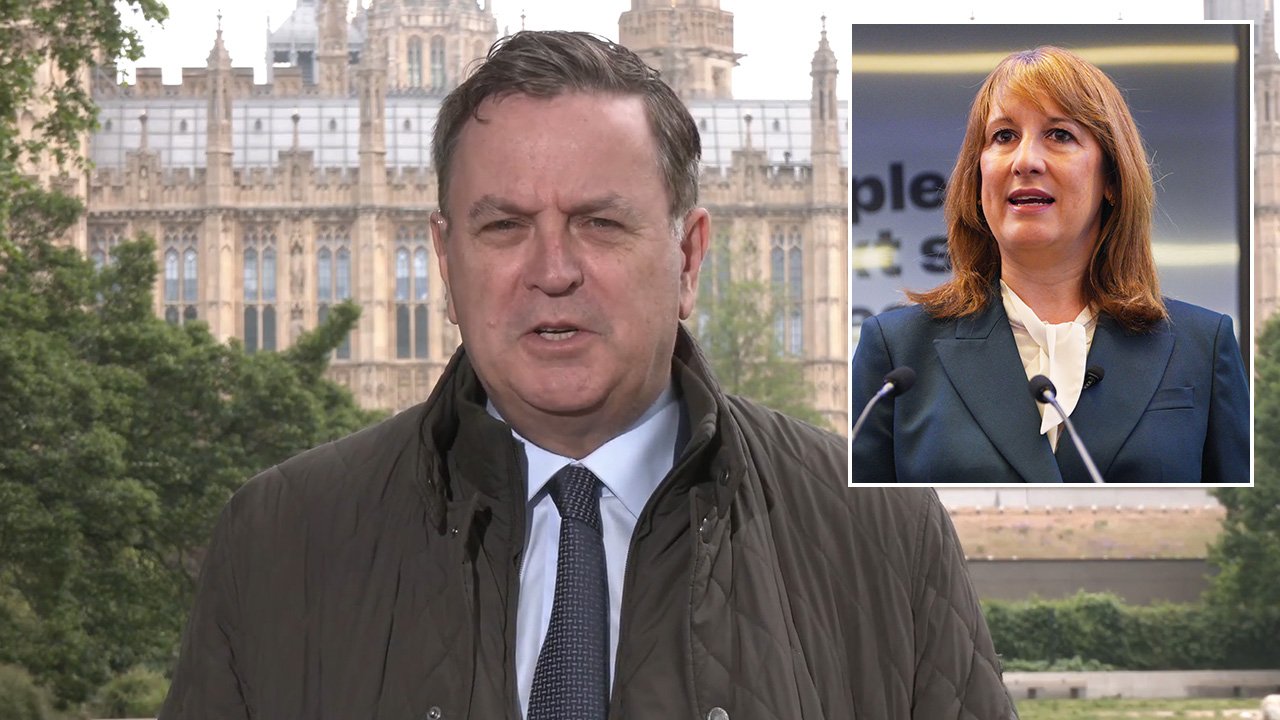
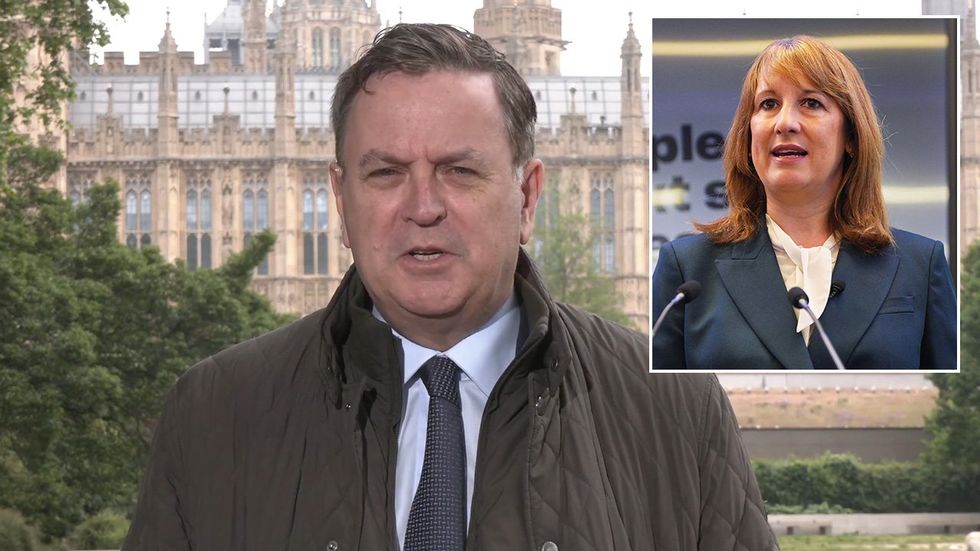
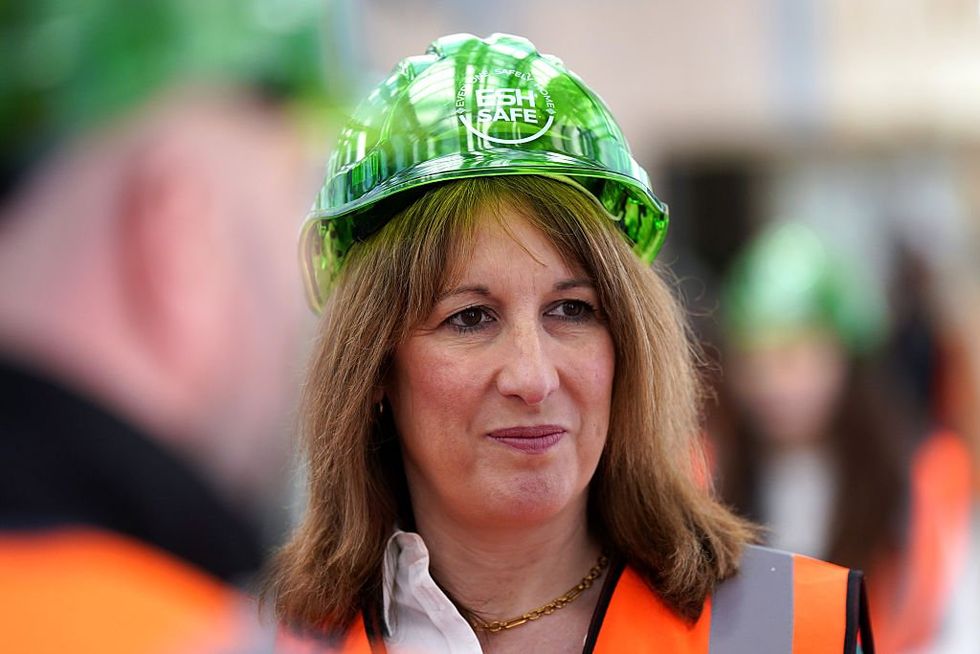
المصدر: GB News | Source: GB NewsSir Mel Stride has launched a scathing attack on the Labour Government, accusing Chancellor Rachel Reeves of "betraying" Britons with business rates hikes.
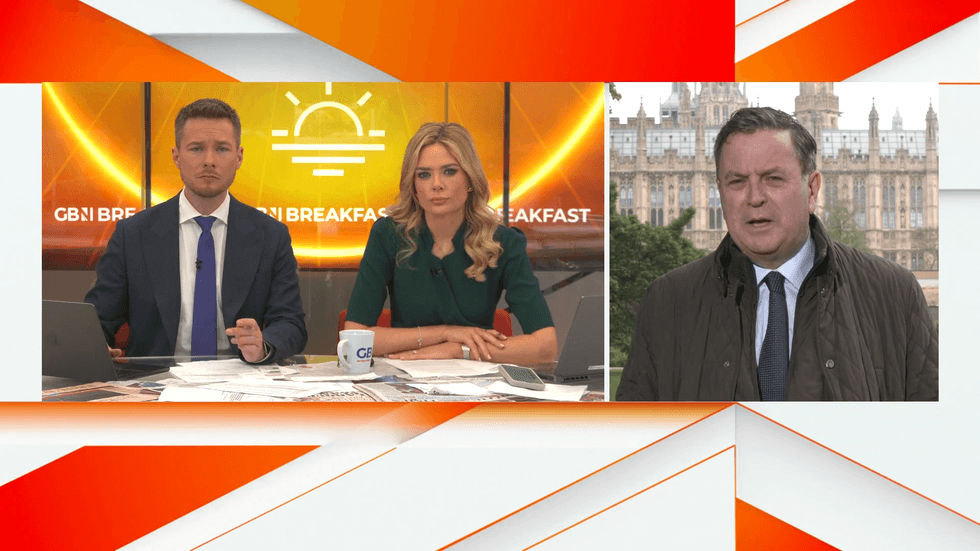
Speaking to GB News, the Shadow Chancellor hit out at Ms Reeves for doing the "opposite" of what they had promised business owners in their manifesto.
Analysis of official forecasts shows income tax receipts are expected to reach £430billion by 2030‑31, almost double the £220billion collected in 2021‑22.
He said: "They said that they were going to make it fairer, and they said one of the ways they would make it fairer is to apply business rates, surcharge, extra business rates, to those online businesses operating from big warehouses, and therefore reduce the pressure on smaller High Street businesses.
TRENDINGStoriesVideosYour Say"Well, we've looked into the numbers now from the official data, and quite the opposite has happened."
Sir Mel explained that only "11 per cent" of those businesses suffering the surcharge are the online warehouses.
He said: "The rest are retailers and hotels and zoos and clubs and sports stadiums, and so on and so forth."
The Shadow Chancellor warned that business rates are now going up "through the roof", causing the already struggling high street to suffer even more.
He cautioned: "I'm afraid the level of business rates under this Government is really going up through the roof, and so many of these high streets are now really suffering from this.
"Plus the National Insurance increases, plus the changes in the employment legislation, that's making it riskier and more expensive to employ people. You add those things up, and it's no wonder that they're struggling."
GB News host Alex Armstrong then quizzed Sir Mel on the accusations from opposition parties against the Tories about Britain's defence funding, as they claim his party "hollowed out" Britain's military capabilities.
Sir Mel disagreed with the accusations, declaring that the Tories were investing "more" in defence during their time in Parliament.
LATEST DEVELOPMENTS:
- Reform plans to put migrant detention centres in Green councils as residents 'vote for open borders'
- UK workers hit by Rachel Reeves's £210bn tax grab as millions pushed into higher rates
- Ed Miliband accused of 'covering up' evidence Labour’s Net Zero plans will increase bills
He said: "We went through a particular phase from about the late 80s when the Berlin Wall came down, and we all in the West actually benefited from what people called the peace dividend.
"And spending generally on defence eased back on where it had been before."
Sir Mel continued: "In the final sort of stretch of our time in office, actually, we were investing more in defence, so we had very clear plans for this.
"But what the companies do, in terms of intercontinental ballistic missiles, clearly, the challenges in defence terms that we're facing are changing incredibly rapidly, and we're seeing that in the Ukraine war, not least because of fairly low-cost munitions, like drones, the use of AI and so on."
The Shadow Chancellor argued unless Britain has a strong economy, we will "not be able to defend our country".
He concluded: "We have to adapt our kind of the kind of resources that we have in the defence area, and that's why we need this defence investment plan that the Government promised last September.
"We still do not have that to know even what we're looking at in terms of what we need to invest in.
"But as I say, you need a strong economy to be able to defend our country, and I'm afraid that is not what we've got under this Government."
Our Standards: The GB News Editorial Charter
ملاحظة تحريرية | Editorial Note: نُشر هذا المقال في الأصل بواسطة GB News. خبر (Khabr) هي منصة إعلامية أردنية مرخّصة تعمل بالذكاء الاصطناعي. نضيف قيمة تحريرية من خلال: تحليل ذكي للأخبار، ملخصات تلقائية، رواية صوتية بالذكاء الاصطناعي، ترجمة متعددة اللغات، وتدقيق الحقائق. هدفنا جعل الأخبار أكثر وضوحاً وسهولةً للقارئ العربي.
This article was originally published by GB News. Khabr is a licensed Jordanian AI-powered news platform (Registration #82086). We add editorial value through: AI-powered news analysis, automated summaries, AI audio narration, multi-language translation (Arabic, English, French, Turkish), and AI fact-checking. Our mission is to make news more accessible and understandable for Arabic-speaking audiences worldwide.