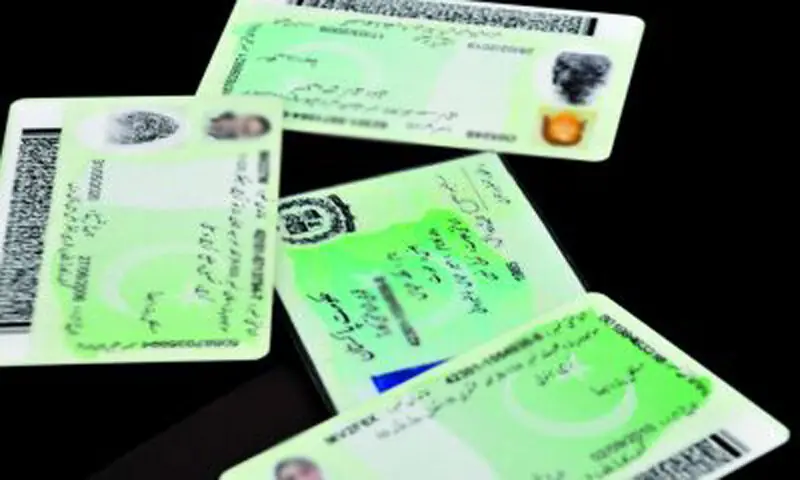
• Under-18 candidates must obtain Nadra-issued registration card to sit medical, dental exam; biometric verification made mandatory across centres
• Families decry added costs, long queues, short validity of cards; around 200,000 aspirants likely to be affected
ISLAMABAD: The Pakistan Medical and Dental Council’s (PDMC) decision to require a valid Juvenile Registration Card for this year’s Medical and Dental Colleges Admission Test (MDCAT) has triggered concerns among candidates and parents.
The council announced that biometric verification will be required for the MDCAT-2026, and all candidates below 18 years of age must possess a valid card issued by the National Database and Registration Authority (Nadra) to appear in the test.
The new rule affects a significant portion of the roughly 200,000 candidates who take the mandatory exam annually for admission to public and private medical and dental colleges.
Parents have expressed frustration over the financial and logistical burdens the decision imposes.
“My daughter is just 17 years old and she will remain a juvenile till the date of MDCAT,” said Sohail Jamil, a father. “I am already hand to mouth and now PMDC has been pushing me to spend more amount on the Juvenile Registration Card. It is nothing but unfortunate.”
He suggested the council reconsider and instead demand the original metric mark sheet, as it contains the candidate’s picture.
Bilal Ahmed, another father, pointed out that the cards have a short lifespan. He said that if 17-year-old candidates get the card by “standing in long queues and spending time and money, the cards will be expired in one year” when they turn 18.
“PMDC should take input while taking such decisions,” he said. “Around 200,000 candidates and their parents will be badly affected by the decision.”
In response, PMDC Registrar
Dr Rehan Naqvi told Dawn that the decision was made for the “sensitisation of masses” and is part of a broader push toward digitisation. He noted that a similar directive was issued for the previous MDCAT but was not implemented.
“We had given a similar direction during the last MDCAT but candidates, who lacked Juvenile Registration Cards or CNICs, were allowed to appear in the test,” Naqvi said.
He acknowledged that the council is aware the card will expire within a year for many applicants. “However the notification will encourage masses to have Juvenile Registration Cards for their children which are quite beneficial,” he said.
Published in Dawn, April 17th, 2026