At 3:35 p.m. on April 17, 2013, forces of the former Syrian regime began their campaign against the town of Jdeidet al-Fadl, one of the communities in Rural Damascus whose residents were largely from the occupied Golan.
The town was not merely a geographic point. It was part of the Syrian social fabric that rose in support of Daraa after the injustice inflicted on its children, and its young people took to peaceful demonstrations demanding change.
But its location near the capital, Damascus, made it another target for the regime. Even before the massacre, what were known as Shabiha militiamen had been entering the town to arrest demonstrators and abuse them. Car bombings had also claimed the lives of many residents.
Stories From the Massacre
Taysir al-Mazal, the mukhtar of Jdeidet al-Fadl and head of the local council between 2013 and 2014, recounted to Enab Baladi details of the massacre carried out against the town’s residents.
Al-Mazal described how bodies were scattered in the streets as a result of artillery shelling, sniper fire, and cold-blooded killing. He added that regime forces entered the health center and the field hospital and killed all the wounded inside.
They also raided homes and executed dozens of people inside them. Not stopping there, they burned bodies with highly flammable phosphorus and took many young men away, executing them in cold blood on the outskirts of the town.
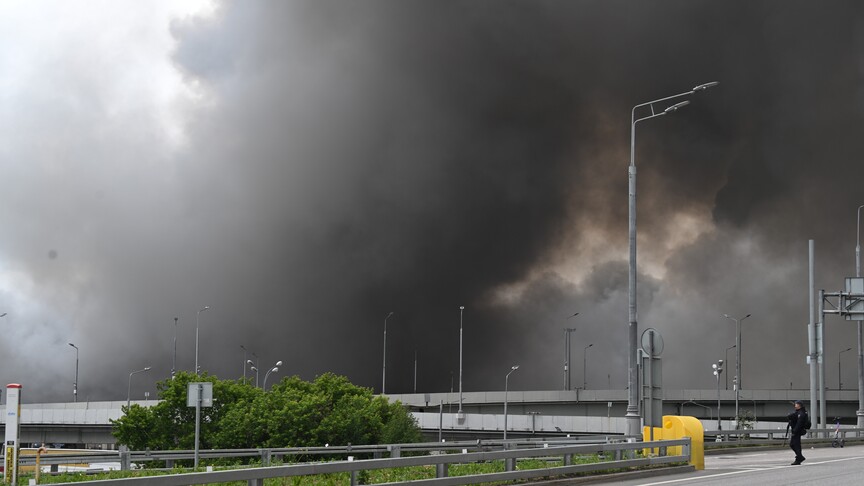
He said smoke began rising from the burning homes to the point that anyone watching the town from afar could tell that something horrific was taking place.
The massacre was accompanied by cuts to internet and electricity services, completely isolating the town, while medical staff were scarce. There was only one doctor, three nurses, and one midwife treating the wounded, and the lack of medical supplies left the injured facing near-certain death.
Dozens of Bodies in the Streets for Days
Al-Mazal said the bodies remained dumped on the edges of the town for days, until dogs began tearing at the flesh. When the bodies started to decompose, they were loaded onto trucks, and no one knows where they were buried, in what he said was an effort to conceal the crime.
He added that the cemetery for the victims whose bodies had remained with their families was not spared either. Bodies were dug up from graves and transported by truck to unknown locations.
He said some of those killed in the massacre were displaced people from nearby areas such as Darayya, southwest of Damascus, where the men were executed, and the women and children were left behind.
He described those days as a nightmare that lasted six days, when residents were ordered to leave their homes.
The scenes of the massacre remain in people’s memories because of their brutality. Al-Mazal said victims’ relatives still remember where their sons were killed, but do not know of any grave they can visit.
Devastated Families Await Justice
One of the massacre’s survivors, Khaled al-Boushi, told Enab Baladi that four of his brothers were killed on the first day, when regime forces entered from the direction of the “100th Artillery Regiment,” west of Jdeidet al-Fadl.
He added that a number of the town’s young men were arrested, including his brothers. He noted that they had been arrested twice by members of the 100th Artillery Regiment stationed nearby and were interrogated on accusations of belonging to terrorist organizations.
He said one of his neighbors told him four days later that his brothers were in a nearby house. When he went there, he found them dead, killed by gunfire and bladed weapons.
Al-Boushi said he was shocked by what he saw, stressing that his brothers were civilians and did not belong to any armed faction. That, he said, was clear after regime forces raided the house more than once and found nothing linking them to any military activity.
He added that his presence in the family’s second home with his father was the direct reason he survived what happened to his brothers.
Unknown Graves
Fahd Issa al-Hussein, the town’s former mukhtar, now 75, told Enab Baladi the story of how four members of his family were killed.
He said he had refused a request from the regime’s security agencies to provide the names of people dealing with the rebels, adding that they had already intended to take revenge when they raided his home on April 20, 2013.
He said they looted property, forced the women to remove their gold jewelry, and took his sons, Fuad and Abdul Rahman, along with his sons-in-law Khamis Kanaan and Fadi Moussa, to an unknown location.
Al-Hussein said those who entered the house were shabiha from neighboring villages, carrying cleavers and iron claws in their hands.
Those interviewed by Enab Baladi called for justice to be carried out and for the perpetrators and militias that committed killing, burning, and looting to be held accountable, noting that some of them came from villages and areas neighboring Jdeidet al-Fadl.
An Open Toll
According to statistics compiled by local committees in the town, the massacre killed 935 people, including 85 women and 35 children. Most of the bodies were burned and transferred to unknown locations.
The Syrian Network for Human Rights said at least 191 people whose bodies were identified were killed, including 174 civilians, among them nine children and eight women. It also documented field executions, sieges, shelling, and widespread arbitrary arrests, while the fate of more than 120 civilians remains unknown, and they are still counted among the forcibly disappeared to this day.
The network believes the actual toll is likely higher, given the existence of unidentified bodies that residents could not identify because of the siege conditions and the communications blackout that accompanied the events.
While the network documents the killing of 191 identified victims, local testimonies indicate that the actual number of victims may exceed 1,500, with additional bodies later found inside homes and basements. That leaves the final toll unresolved, according to the network.
The post Jdeidet al-Fadl, Syria, 2013, Six Days of Death Without Graves appeared first on Enab Baladi.