Japan’s knife crime wave lays bare tragic cost of youth mental burnout
•AdvertisementJapanThis Week in AsiaHealth & EnvironmentJapan’s knife crime wave lays bare tragic cost of youth mental burnoutExperts warn a generation raised on screens is losing the ability to handle...
•She and her son had breakfast together and nothing appeared out of the ordinary.
•Hours later, security camera footage caught 26-year-old Hirokawa walking straight into the store, pulling out a knife, going behind the counter where Moe Harukawa, 21, was serving customers, and repea...
هذا الخبر من South China Morning Post. خبر يقدم أدوات ذكاء اصطناعي للتلخيص والترجمة والاستماع.
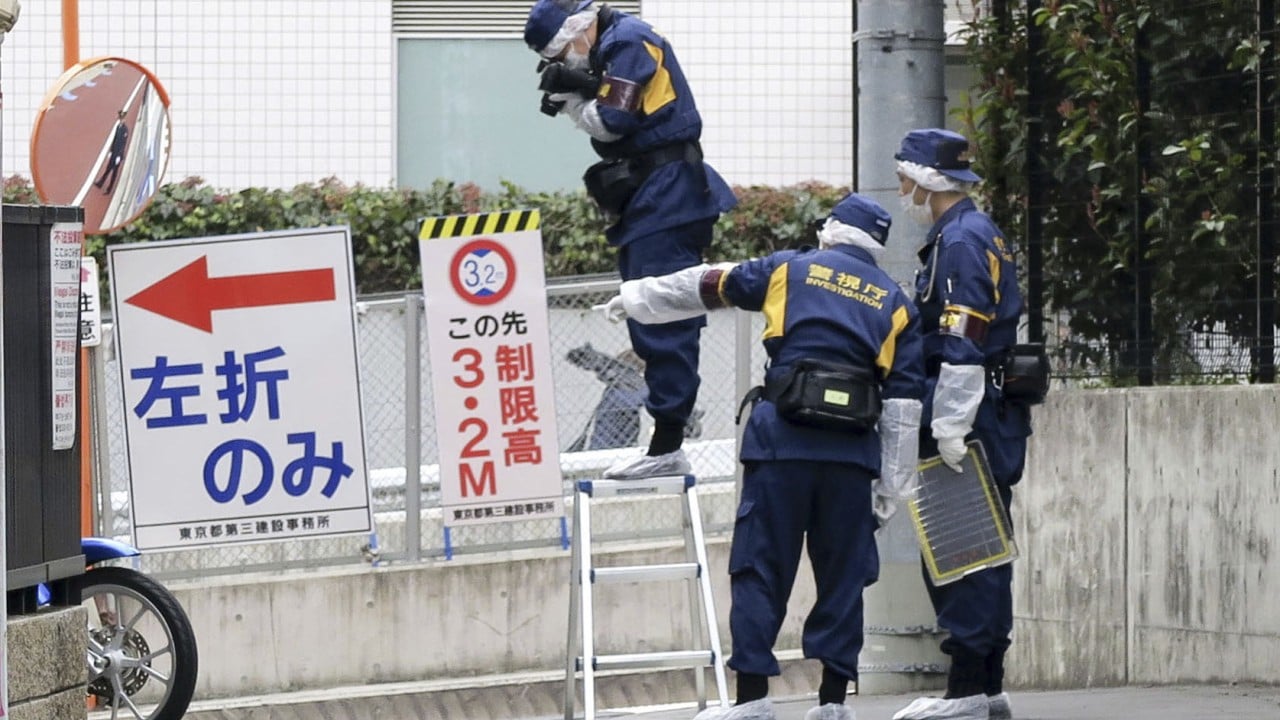
AdvertisementJapanThis Week in AsiaHealth & EnvironmentJapan’s knife crime wave lays bare tragic cost of youth mental burnoutExperts warn a generation raised on screens is losing the ability to handle real-world rejection 5-MIN READ5-MIN ListenJulian RyallPublished: 8:00am, 6 Apr 2026Updated: 8:25am, 6 Apr 2026The day that Taiki Hirokawa stabbed his former girlfriend to death in a Pokemon store in Tokyo had started like any other, his mother told police. She and her son had breakfast together and nothing appeared out of the ordinary. Hours later, security camera footage caught 26-year-old Hirokawa walking straight into the store, pulling out a knife, going behind the counter where Moe Harukawa, 21, was serving customers, and repeatedly slashing her in the neck and chest before turning the knife on himself. Horrified onlookers – including children – told investigators that Hirokawa never hesitated, ignored his victim’s screams, and that the entire incident “was over in a minute”. AdvertisementThe brutal killing of Harukawa on March 26 has renewed debate in Japan, fuelled by extensive media coverage, over the dual problems of knife crime and stalking.Police and emergency responders stand by at the scene of a deadly stabbing in downtown Tokyo on March 26. Photo: Kyodo/APFor mental health experts, the gruesome incident points to a clear decline in the mental well-being of young Japanese struggling with soaring stress levels, stunted emotional development and an inability to communicate their problems. Advertisement“There are always a variety of reasons for incidents of domestic violence, but in a case like this, when one partner kills the other, the reason is often that the attacker does not want to be separated,” said Vickie Skorji, a mental health specialist and senior adviser to the Tokyo-based TELL Lifeline. AdvertisementSelect VoiceSelect Speed0.8x0.9x1.0x1.1x1.2x1.5x1.75x00:0000:001.00xالمصدر: South China Morning Post | Source: South China Morning Post
ملاحظة تحريرية | Editorial Note: نُشر هذا المقال في الأصل بواسطة South China Morning Post. خبر (Khabr) هي منصة إعلامية أردنية مرخّصة تعمل بالذكاء الاصطناعي. نضيف قيمة تحريرية من خلال: تحليل ذكي للأخبار، ملخصات تلقائية، رواية صوتية بالذكاء الاصطناعي، ترجمة متعددة اللغات، وتدقيق الحقائق. هدفنا جعل الأخبار أكثر وضوحاً وسهولةً للقارئ العربي.
This article was originally published by South China Morning Post. Khabr is a licensed Jordanian AI-powered news platform (Registration #82086). We add editorial value through: AI-powered news analysis, automated summaries, AI audio narration, multi-language translation (Arabic, English, French, Turkish), and AI fact-checking. Our mission is to make news more accessible and understandable for Arabic-speaking audiences worldwide.