⚡ عاجل: كريستيانو رونالدو يُتوّج كأفضل لاعب كرة قدم في العالم●⚡ أخبار عاجلة تتابعونها لحظة بلحظة على خبر●⚡ تابعوا آخر المستجدات والأحداث من حول العالم●
AI اقتراحات ذكية
AI مباشر|--مشاهد مباشر
894,415مقال401مصدر نشط228قناة مباشرة5,096خبر اليوم
آخر تحديث:منذ ثانيتين
Iran's uranium stockpile: Removal or dilution? Regime may have enough highly-enriched uranium to make about 10 nuclear bombs — report
A recent 60 Minutes report says Iran may have enough highly-enriched uranium to make about 10 nuclear bombs, reviving debate over whether the US could physically seize or neutralise the stockpile.
The answer, according to arms-control experts and US policy analysts, is that a “Project Sapphire”-style operation would be far more dangerous in Iran than the 1994 Kazakhstan mission, because Iran’s material is believed to be buried, dispersed and protected inside a war zone.
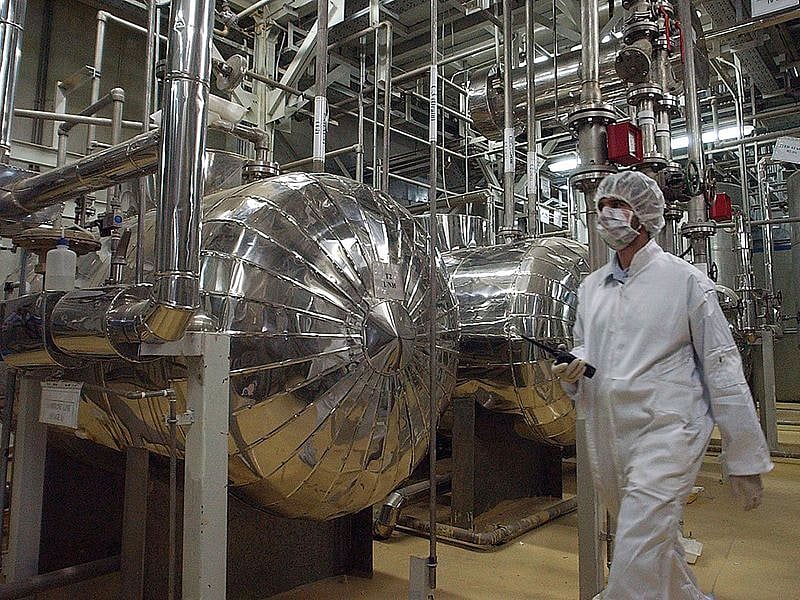
ENRICHED URANIUM: Iran had 440.9 kg of uranium enriched to 60% before last year’s strikes — enough, if further enriched, for about 10 nuclear weapons (Source: IAEA)
Get updated faster and for FREE: Download the Gulf News app now - simply click here.
What is 'Project Sapphire'?
Project Sapphire is the historical model being cited.
In 1994, the US and Kazakhstan cooperated to remove about 600 kilograms of weapons-grade uranium from a vulnerable Soviet-era facility and fly it out of the country, a covert effort later described by US and Kazakh officials as a major nonproliferation success.
It’s believed Iran has enough highly enriched uranium to make at least 10 nuclear bombs. What would it take for the U.S. to secure it? Sunday, 60 Minutes reports on a past covert mission code-named Project Sapphire that could be a blueprint for a similar operation in Iran.… pic.twitter.com/9qYUCnlXQJ
That mission worked because it had host-country consent, a known inventory and a relatively secure operating environment.
Why Iran is a different case
Iran is a different case.
Reuters reported that the International Atomic Energy Agency (IAEA) believed nearly half of Iran’s 60%-enriched uranium was stored in a tunnel complex in Isfahan, with the agency estimating Iran had 440.9 kg of uranium enriched to 60% before last year’s strikes — enough, if further enriched, for about 10 nuclear weapons.
BBC quoted experts who believe securing that material would require ground forces, likely involving seizure of an airfield or landing zone, heavy machinery to clear rubble and special-operations teams trained to handle nuclear material.
Ground combat operation
That is why analysts say any US attempt would be a major combat operation, not a "clean" raid.
Even if American forces found the material, they would still face a choice: remove it from Iran or dilute it on site, each option carrying major logistical and political risks.
The New York Times reported that in the initial Islamabad discussions, the US pushed for a long term shutdown of Iran’s enrichment programme, seeking a 20 year pause.
Iran reportedly proposed a far shorter, 5-year window.
Uranium: Dilution vs removal?
Washington is also pressing for the removal of Iran’s enriched uranium stockpile, whereas Tehran is refusing to export it and is offering dilution as an alternative.
Dilution of uranium, often referred to as "downblending", is the process of reducing the concentration of the fissile isotope Uranium-235 within a sample of uranium.
This is achieved by mixing highly enriched uranium (HEU) with materials containing lower concentrations of Uranium, such as natural uranium or depleted uranium (DU), which is primarily Uranium-238
The highly-enriched uranium is typically converted into uranium hexafluoride (UF6) gas or uranyl nitrate liquid, then blended with a diluent (natural or depleted uranium) to produce low-enriched uranium (LEU), which is generally below 5% U-235 and used in commercial power reactors.
ملاحظة تحريرية | Editorial Note:
نُشر هذا المقال في الأصل بواسطة Gulf News.
خبر (Khabr) هي منصة إعلامية أردنية مرخّصة تعمل بالذكاء الاصطناعي.
نضيف قيمة تحريرية من خلال: تحليل ذكي للأخبار، ملخصات تلقائية، رواية صوتية بالذكاء الاصطناعي، ترجمة متعددة اللغات، وتدقيق الحقائق.
هدفنا جعل الأخبار أكثر وضوحاً وسهولةً للقارئ العربي.
This article was originally published by Gulf News.
Khabr is a licensed Jordanian AI-powered news platform (Registration #82086).
We add editorial value through: AI-powered news analysis, automated summaries, AI audio narration, multi-language translation (Arabic, English, French, Turkish), and AI fact-checking.
Our mission is to make news more accessible and understandable for Arabic-speaking audiences worldwide.
هذا الخبر ضمن تغطية خبر لقسم سياسة.
نقدّم لك تحليلات ذكية وملخصات يومية لأهم الأخبار من مصادر موثوقة متعددة.
المصدر: Gulf News.
يوجد 6 مقالات مرتبطة بهذا الموضوع.
This article is part of Khabr's coverage of Politics.
We provide AI-powered analysis, summaries, and multi-source aggregation to keep you informed.
Source: Gulf News.
Tags: uranium, nuclear, Iran.
🍪 نستخدم ملفات تعريف الارتباط لتحسين تجربتك وعرض الإعلانات المخصصة. باستخدامك للموقع، فإنك توافق على سياسة ملفات تعريف الارتباط وسياسة الخصوصية.
We use cookies to enhance your experience and show personalized ads. By using this site, you agree to our Cookie Policy and Privacy Policy.
🔍
FREEFree 1GB Internet + Free International Calls
$1 trial — eSIM in 190+ countries — No roaming charges