Iran war sparks food price fears with retailers admitting people 'right to be concerned'
•Four in five people fear food prices will rise because of the war in Iran, and retailers say they are “right to be concerned”.
•The British Retail Consortium (BRC) has urged the Government to cut domestic costs to help them keep prices down for consumers.
•It says ministers could help by easing pressure on businesses from higher national insurance, packaging levies, new regulations, and business energy charges.It pointed out these were policy issues unr...
هذا الخبر من GB News. خبر يقدم أدوات ذكاء اصطناعي للتلخيص والترجمة والاستماع.
المصدر: GB News | Source: GB NewsFour in five people fear food prices will rise because of the war in Iran, and retailers say they are “right to be concerned”.
The British Retail Consortium (BRC) has urged the Government to cut domestic costs to help them keep prices down for consumers.
It says ministers could help by easing pressure on businesses from higher national insurance, packaging levies, new regulations, and business energy charges.
It pointed out these were policy issues unrelated to the war and said that the Government still had time to intervene, “but the window to act is closing”.
TRENDINGStoriesVideosYour SayThe BRC said retailers were already absorbing “significant” additional costs from the conflict including rising energy and shipping costs, with knock-on effects for fertiliser, manufacturing and logistics.
It warned those costs would inevitably filter through to the till over the coming months.
But it said the Middle East was only part of the picture, and retailers had absorbed £6.5 billion in extra employment costs from rising national insurance contributions and the national living wage, alongside a new packaging tax costing £1.6billion.
Meanwhile, more regulatory “burdens” were imminent, including guaranteed hours provisions under the Employment Rights Act and the proposed reformulation of thousands of food lines under the new nutrient profiling model.
A survey for the BRC found eight in ten worried about food prices going up because of the conflict.
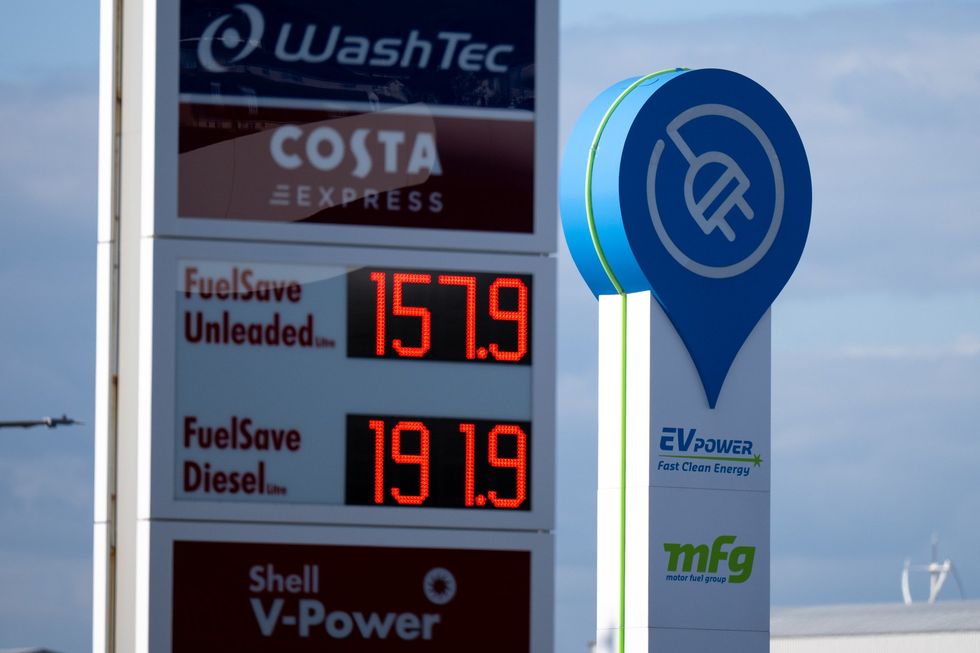
73 per cent of people expect the Middle East conflict to raise the price of products other than food, while 81 per cent are worried about rising energy bills, 76 per cent about petrol and diesel, and 68 per cent about tax increases.
Food retailers met Chancellor Rachel Reeves in early April and called for the removal of energy policy levies, network charges and system fees that now make up between 57 per cent and 65 per cent of a typical business electricity bill.
They also asked for the introduction of the updated nutrient profiling model for food and drink to be delayed, and for a review of the triple packaging levy, forecast to cost retailers more than £2 billion a year.
LATEST DEVELOPMENTS
- Isis-linked terrorists massacre 60 Christians with axes and machetes in front of their families
- Travel blogger trapped on hantavirus-struck ship delivers update after tearful Instagram video
- Two French soldiers found dead after losing communication during diving exercise
BRC chief executive Helen Dickinson said: “The Middle East conflict is driving up costs across the supply chain and families are right to be concerned.
“But not every pressure bearing down on retailers comes from the Gulf. Higher national insurance, packaging levies, new regulations, and business energy charges are all domestic policy decisions, made in Westminster, and they can be addressed there.
“Such action by government would help retailers to keep prices affordable for households.
“Other governments are already acting. Germany has reduced electricity costs for businesses by moving levies off bills and EU leaders are actively discussing similar responses to this crisis.
“The UK should be moving in the same direction, not treating global instability as cover for inaction on costs of its own making.
“Retailers are working hard to hold prices down, but they cannot do it alone.
“Every cost government chooses not to address is a cost that will find its way into someone’s shopping basket. That is a political choice, and it is one ministers still have time to change – but the window to act is closing.”
The warning comes as analysts predicted higher taxes or a squeeze in public spending because of the conflict.
Long-term Government borrowing costs hit their highest level since 1998 because of rising fuel costs and concerns about political stability.
Susannah Streeter, Chief Investment Strategist at Wealth Club, said that this meant it was more expensive for the Government to finance UK debt, narrowing its options.
She said: “At a time when calls are growing for extra support for cash-strapped households and businesses, higher borrowing costs mean the Treasury’s room for manoeuvre is shrinking, with more revenue being absorbed by debt interest payments.
“This may force increasingly difficult choices – higher taxes or tighter public spending elsewhere.
“The burden of higher taxes on businesses has already been blamed for reluctance among employers to take on younger staff. “If borrowing costs remain elevated, it also reduces the likelihood of tax cuts that might otherwise have helped support growth and the labour market.”
Our Standards: The GB News Editorial Charter

ملاحظة تحريرية | Editorial Note: نُشر هذا المقال في الأصل بواسطة GB News. خبر (Khabr) هي منصة إعلامية أردنية مرخّصة تعمل بالذكاء الاصطناعي. نضيف قيمة تحريرية من خلال: تحليل ذكي للأخبار، ملخصات تلقائية، رواية صوتية بالذكاء الاصطناعي، ترجمة متعددة اللغات، وتدقيق الحقائق. هدفنا جعل الأخبار أكثر وضوحاً وسهولةً للقارئ العربي.
This article was originally published by GB News. Khabr is a licensed Jordanian AI-powered news platform (Registration #82086). We add editorial value through: AI-powered news analysis, automated summaries, AI audio narration, multi-language translation (Arabic, English, French, Turkish), and AI fact-checking. Our mission is to make news more accessible and understandable for Arabic-speaking audiences worldwide.