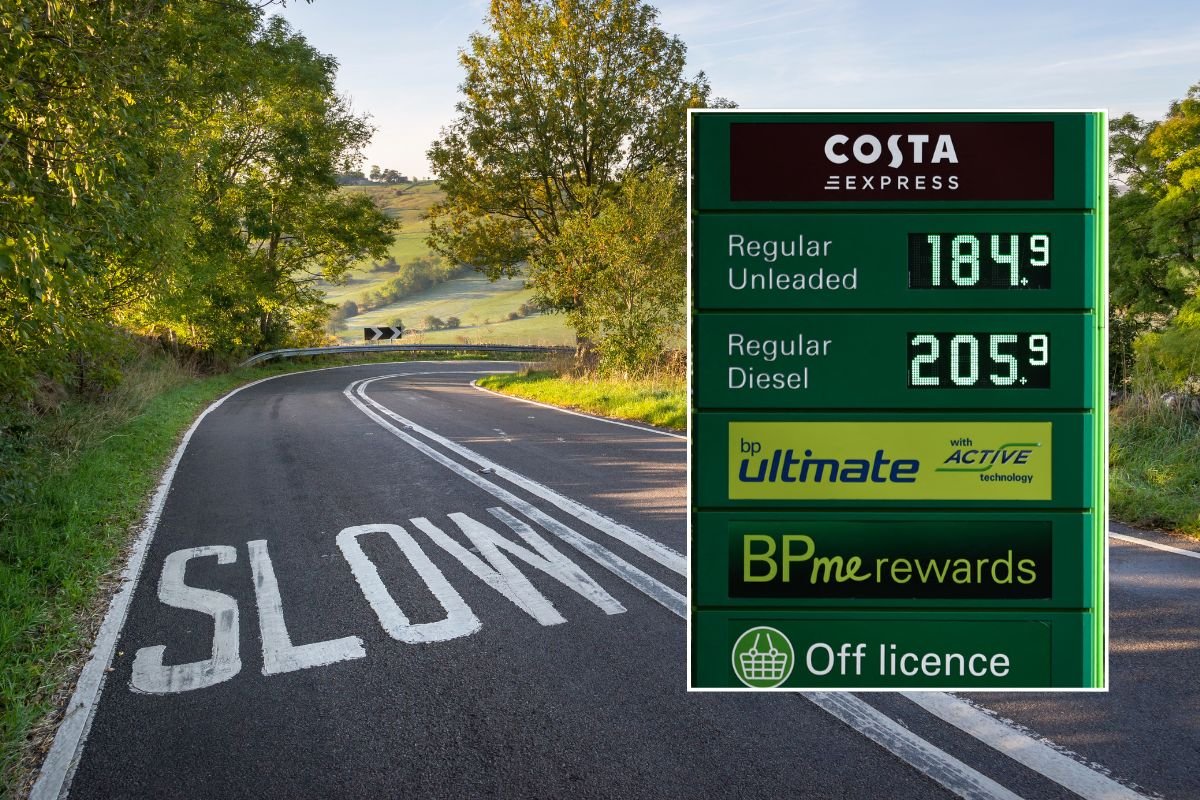
Iran war prompts calls for motorway speed limit cut and more 20mph roads in 'dual win' for Labour
•Experts have called for speed limits to be cut across the UK to minimise the impact of the Iran war on motorists as fuel prices remain high.A new report from the Institute for Public Policy Research (...
•TRENDING Stories Videos Your Say Calls for lower speed limits follow recommendations from the International Energy Agency, which also highlighted the benefits of slower roads.It noted that reduci...
•Our Standards: The GB News Editorial Charter
هذا الخبر من GB News. خبر يقدم أدوات ذكاء اصطناعي للتلخيص والترجمة والاستماع.
المصدر: GB News | Source: GB NewsExperts have called for speed limits to be cut across the UK to minimise the impact of the Iran war on motorists as fuel prices remain high.
A new report from the Institute for Public Policy Research (IPPR) states that major changes need to be introduced to manage the energy shock levied on the UK by the conflict in the Middle East.
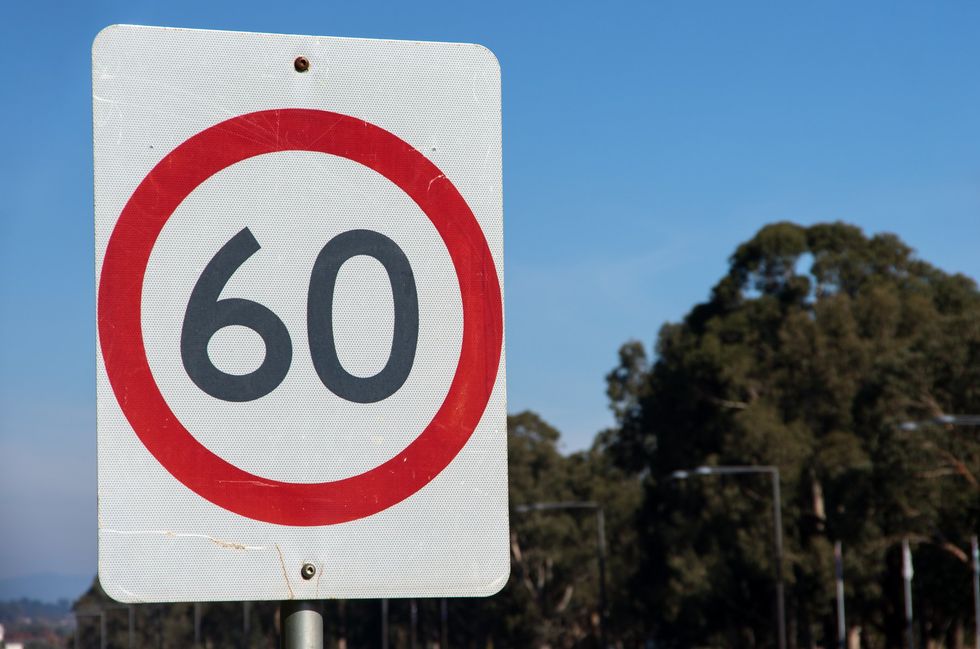
It recommended that the UK Government should "take a dual win" by lowering speed limits to 20mph in urban areas and 60mph on motorways.
The IPPR argues that this would reduce the demand for fuel, make streets safer for all, and support the likelihood of drivers choosing active travel options.
TRENDINGStoriesVideosYour SayCalls for lower speed limits follow recommendations from the International Energy Agency, which also highlighted the benefits of slower roads.
It noted that reducing speeds on motorways by 10km/h (6.2mph) can cut an individual driver's fuel use by between five and 10 per cent.
Speed limit reductions could also lead to national fuel use for private vehicles by between one and six per cent.
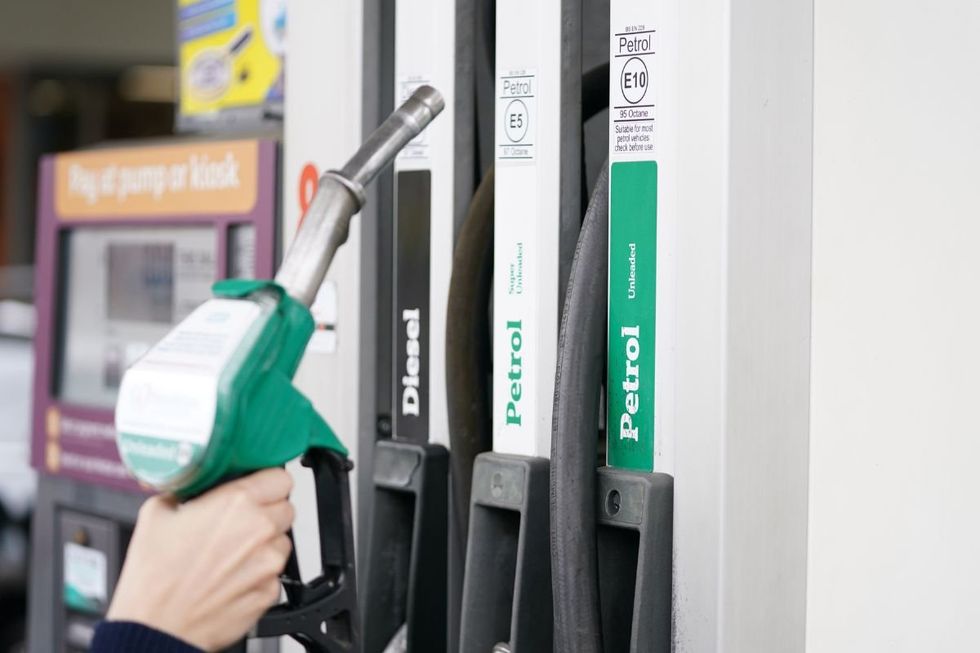
The IEA stated that heavy goods vehicles already benefit from these fuel savings as they are restricted to certain speeds already, potentially making massive savings given the high price of diesel.
The report from the IRRP outlined that slower speed limits should be packaged with advice on how to drive more efficiently, as well as suggestions for greater home working and carpooling capacity.
William Ellis, senior economist at the think tank, said: "The UK cannot afford to sit back and let another energy shock drive up inflation and damage the economy.
"The UK economy and public finances are expected to take a significant hit from the Iran conflict, regardless of whether the government intervenes."
Fuel duty was also targeted in the report, with the IRRP stating that the Government should introduce a temporary 10p cut "immediately".
LATEST DEVELOPMENTS
- Car finance compensation scheme prompts major review as millions of drivers prepare for £829 payout
- Drivers face traffic chaos as 'police-led incident' closes crucial road 'until at least late afternoon'
- Fuel theft gangs strike UK depots as soaring petrol and diesel prices prompt criminal action
The report acknowledged the difficulty in withdrawing a fuel duty cut, although it suggested that rates could automatically rise in line with falling crude oil prices.
Such a measure would be in place until prices return to levels that should have been reached in line with the Government's 2025 Budget plans.
Labour has been hesitant to introduce any fresh measures to protect motorists from expensive prices at the pump, although it did announce plans in last year's Autumn Budget.
Chancellor Rachel Reeves confirmed that the Government would roll back the temporary 5p per litre cut that was introduced in the aftermath of the Russian invasion of Ukraine.
Rates will be rolled back by 1p in September, 2p in December and a further 2p in March 2027, at which point fuel duty will return to levels last seen in 2022.
The latest data from RAC Fuel Watch shows that petrol and diesel prices continue to edge up slightly, especially amid ongoing tensions between Iran and the United States.
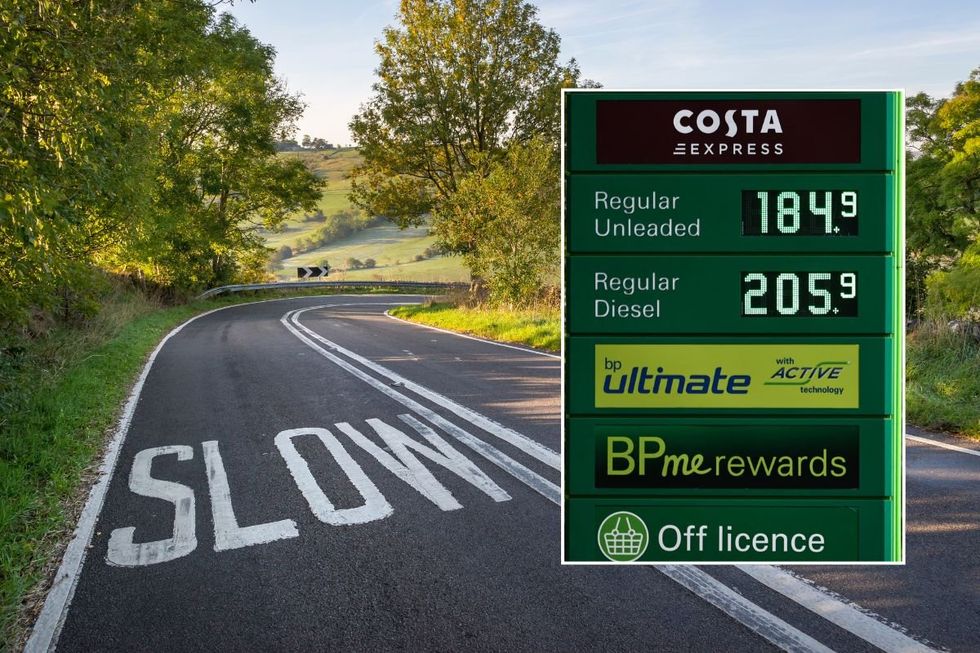
Drivers are paying an average of 157.46p per litre for unleaded and 188.2p for diesel, with petrol at its highest level since April 21.
Since the outbreak of war in the Middle East at the end of February, drivers have seen more than 25p added to the average price of a litre of petrol and a staggering 49p for diesel.
Our Standards: The GB News Editorial Charter
ملاحظة تحريرية | Editorial Note: نُشر هذا المقال في الأصل بواسطة GB News. خبر (Khabr) هي منصة إعلامية أردنية مرخّصة تعمل بالذكاء الاصطناعي. نضيف قيمة تحريرية من خلال: تحليل ذكي للأخبار، ملخصات تلقائية، رواية صوتية بالذكاء الاصطناعي، ترجمة متعددة اللغات، وتدقيق الحقائق. هدفنا جعل الأخبار أكثر وضوحاً وسهولةً للقارئ العربي.
This article was originally published by GB News. Khabr is a licensed Jordanian AI-powered news platform (Registration #82086). We add editorial value through: AI-powered news analysis, automated summaries, AI audio narration, multi-language translation (Arabic, English, French, Turkish), and AI fact-checking. Our mission is to make news more accessible and understandable for Arabic-speaking audiences worldwide.