⚡ عاجل: كريستيانو رونالدو يُتوّج كأفضل لاعب كرة قدم في العالم●⚡ أخبار عاجلة تتابعونها لحظة بلحظة على خبر●⚡ تابعوا آخر المستجدات والأحداث من حول العالم●
AI اقتراحات ذكية
AI مباشر|--مشاهد مباشر
890,024مقال401مصدر نشط228قناة مباشرة4,404خبر اليوم
آخر تحديث:منذ 0 ثانية
Iran reimposes restrictions on Strait of Hormuz over US blockade: What to know
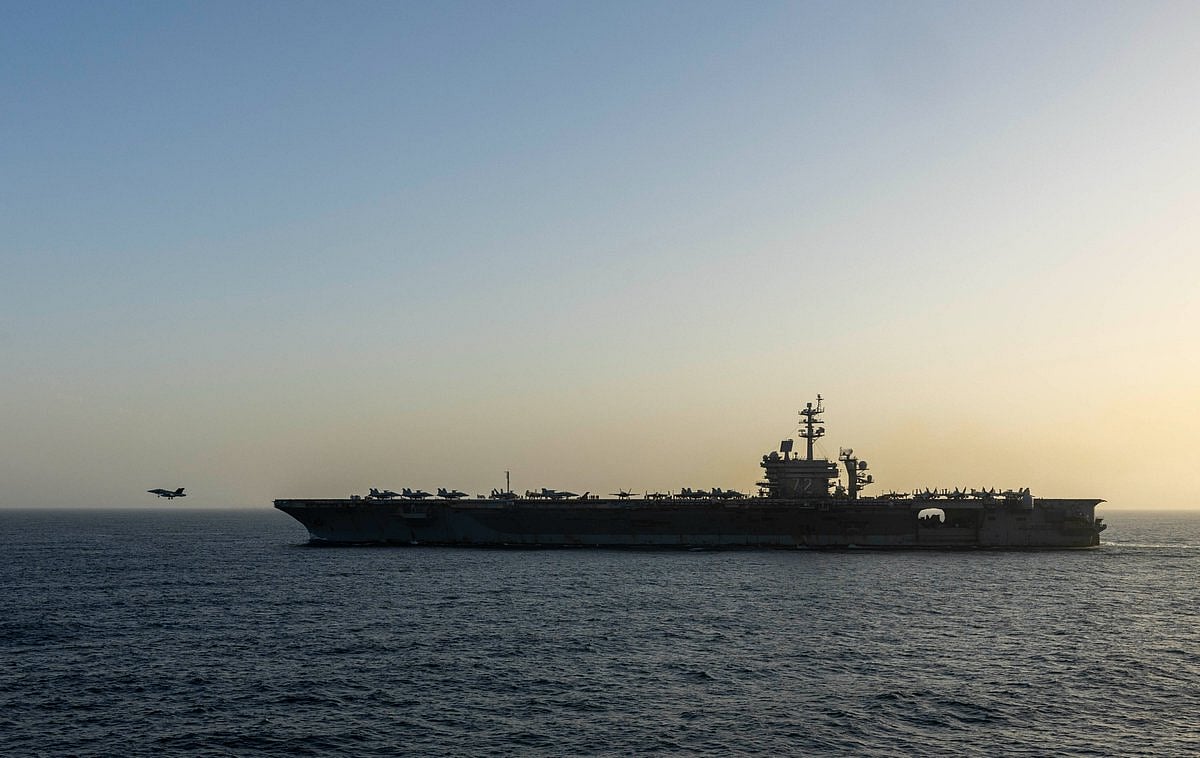
Iran has said it is reinstating strict controls over the Strait of Hormuz, reversing an earlier move to ease transit as tensions with the United States escalate over an ongoing naval blockade.
Iran’s central military command said on Saturday it would return to “strict management” of the strategic waterway, accusing Washington of violating commitments by maintaining its naval blockade on vessels to and from Iranian ports.
Get updated faster and for FREE: Download the Gulf News app now - simply click here.
In a statement aired on state television, officials said the decision followed what they described as the US failing to uphold terms linked to ongoing negotiations.
“The situation in the Strait of Hormuz will remain strictly controlled until the United States restores freedom of movement for all vessels visiting Iran,” the statement said.
Trump signals ceasefire uncertainty
US President Donald Trump said he may not extend a tentative ceasefire with Iran if talks fail to produce an agreement by Wednesday, raising the possibility of renewed military escalation.
He also reiterated that the US naval blockade would remain in place until a broader deal is reached, including on Iran’s nuclear programme.
"If you don't have a deal by Wednesday when the ceasefire ends, will you extend the ceasefire?"@POTUS: "I don't know. Maybe I won't extend it — but the blockade is going to remain... Unfortunately, we'll have to start dropping bombs again." pic.twitter.com/rhC6ATfezT
Despite the renewed restrictions, maritime tracking data from MarineTraffic indicates vessels are still transiting the Strait of Hormuz, including tankers carrying oil, LPG and chemicals.
According to CNN, four tankers reportedly crossed the waterway on Saturday morning heading toward the Gulf of Oman, with some linked to sanctioned shipping networks, according to monitoring data.
US Central Command said earlier that 21 ships have been turned back to Iran since the blockade began on April 13.
Guided-missile destroyer USS Rafael Peralta (DDG 115) directs a merchant vessel to return to an Iranian port as it enforces the U.S. blockade, April 17.
Since commencement of the blockade, 19 ships have complied with direction from U.S. forces to turn around and return to Iran.… pic.twitter.com/v4dhGw8wUH
In a notable development, the cruise ship Celestyal Discovery has become the first passenger vessel to transit the Strait of Hormuz since the start of the conflict.
The Malta-flagged vessel departed Dubai on April 17 after remaining docked for around 47 days, having first arrived in early March. According to MarineTraffic data, it crossed the Strait of Hormuz and is now heading toward Muscat, Oman, with an estimated arrival on April 18. Reports indicate the ship is currently sailing without passengers.
First cruise ship transits Strait of Hormuz since conflict began
The cruise ship Celestyal Discovery has become the first passenger vessel to transit the Strait of Hormuz since the start of the conflict. The Malta-flagged vessel departed Dubai on 17 April after remaining docked… pic.twitter.com/3wR1P6Lc6G
Iran had earlier signalled the strait was “completely open” during the ceasefire window, while also warning that access would depend on compliance with Iranian conditions, including transit approvals.
Parliament Speaker Mohammad Bagher Ghalibaf warned the strait would not remain open if US pressure continues, saying movement would be limited to designated routes under Iranian authorisation.
Talks and rising uncertainty
Diplomatic discussions remain fragile, with both sides signalling possible negotiations while maintaining pressure on maritime access and sanctions enforcement.
Analysts warn the competing claims over the Strait of Hormuz—through which a significant share of global oil flows—continue to heighten uncertainty in energy markets and global shipping routes.
ملاحظة تحريرية | Editorial Note:
نُشر هذا المقال في الأصل بواسطة Gulf News.
خبر (Khabr) هي منصة إعلامية أردنية مرخّصة تعمل بالذكاء الاصطناعي.
نضيف قيمة تحريرية من خلال: تحليل ذكي للأخبار، ملخصات تلقائية، رواية صوتية بالذكاء الاصطناعي، ترجمة متعددة اللغات، وتدقيق الحقائق.
هدفنا جعل الأخبار أكثر وضوحاً وسهولةً للقارئ العربي.
This article was originally published by Gulf News.
Khabr is a licensed Jordanian AI-powered news platform (Registration #82086).
We add editorial value through: AI-powered news analysis, automated summaries, AI audio narration, multi-language translation (Arabic, English, French, Turkish), and AI fact-checking.
Our mission is to make news more accessible and understandable for Arabic-speaking audiences worldwide.
هذا الخبر ضمن تغطية خبر لقسم سياسة.
نقدّم لك تحليلات ذكية وملخصات يومية لأهم الأخبار من مصادر موثوقة متعددة.
المصدر: Gulf News.
يوجد 6 مقالات مرتبطة بهذا الموضوع.
This article is part of Khabr's coverage of Politics.
We provide AI-powered analysis, summaries, and multi-source aggregation to keep you informed.
Source: Gulf News.
Tags: Iran, restrictions, Strait of Hormuz, US blockade, news.
🍪 نستخدم ملفات تعريف الارتباط لتحسين تجربتك وعرض الإعلانات المخصصة. باستخدامك للموقع، فإنك توافق على سياسة ملفات تعريف الارتباط وسياسة الخصوصية.
We use cookies to enhance your experience and show personalized ads. By using this site, you agree to our Cookie Policy and Privacy Policy.
🔍
FREEFree 1GB Internet + Free International Calls
$1 trial — eSIM in 190+ countries — No roaming charges