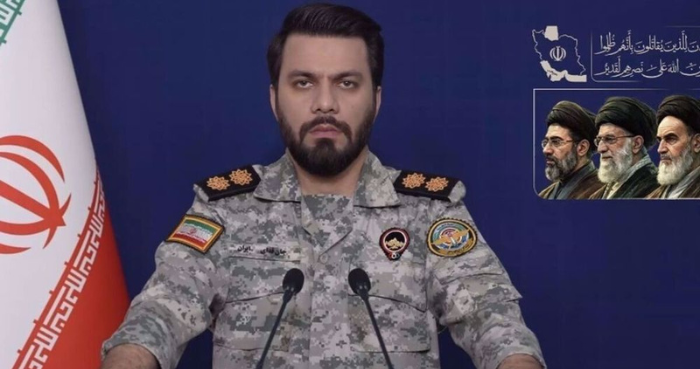
TEHRAN: Lieutenant Colonel Ebrahim Zolfaqari, spokesman for the Khatam al-Anbiya Central Headquarters, stated that the enemy’s supposed strategic power has effectively turned into a strategic failure, Press TV reported.
On Wednesday, he remarked, “If the world’s so-called superpower could have avoided this situation, it would have already done so. Do not disguise your defeat as an agreement.”
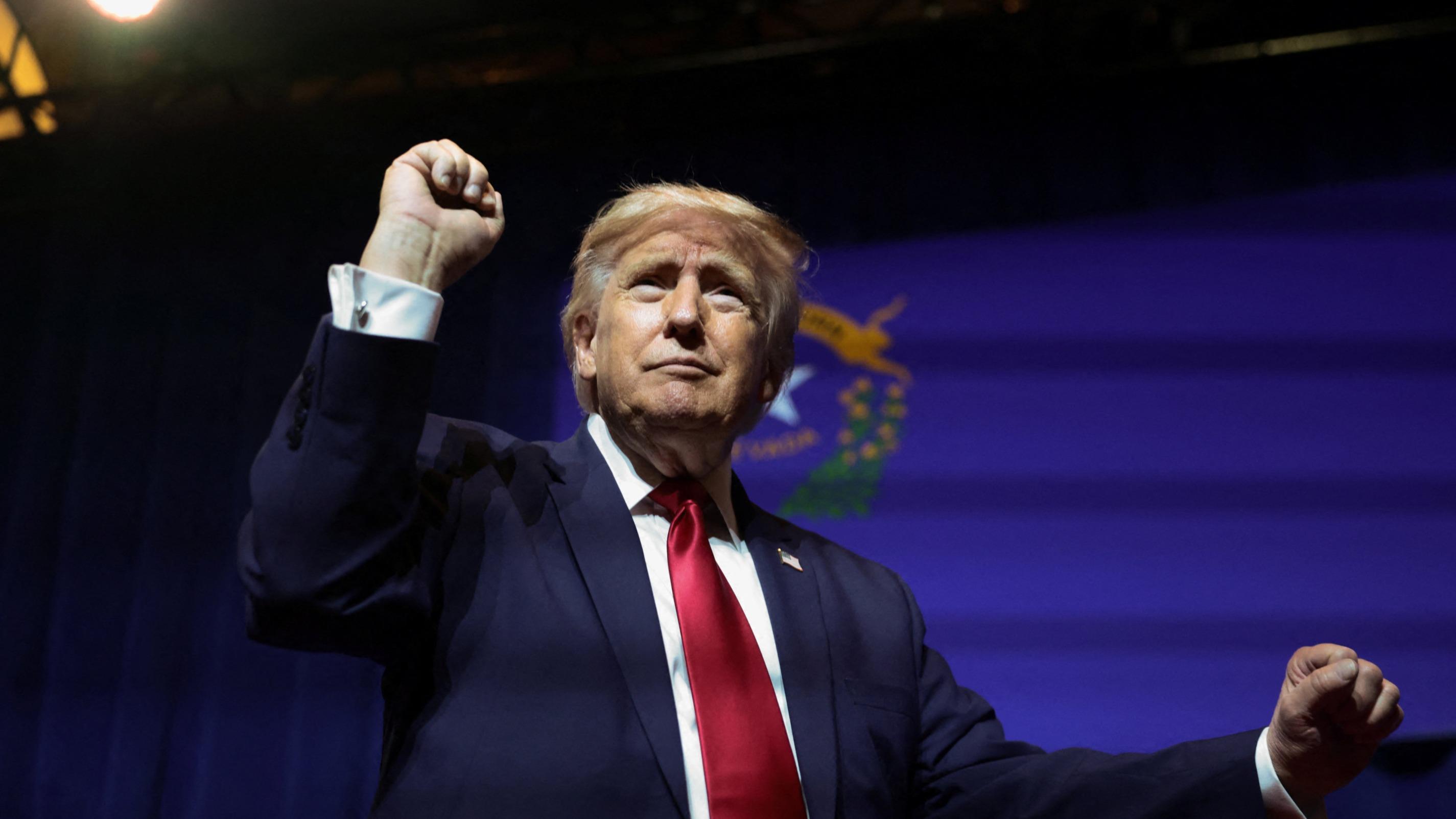
These comments follow U.S. President Donald Trump’s withdrawal from a strict 48-hour deadline to attack Iran’s energy facilities. The retreat came after Tehran warned it would retaliate by targeting power and energy sites throughout the region.
Trump had claimed on Truth Social that the U.S. and Iran held “very good and constructive conversations over the past two days concerning a comprehensive resolution to our hostilities in West Asia.” However, an insider familiar with the matter revealed on Monday that no official communication has occurred between Washington and Tehran.
“The era of your promises is over,” Zolfaqari added. “Today, the world is divided into two: truth and falsehood. Any freedom-seeking advocate of truth will not be deceived by your media campaigns.”
The spokesman also sarcastically mocked the apparent discord within enemy ranks, asking, “Has the level of your inner struggle reached the stage of you negotiating with yourselves?”
Offering a blunt economic assessment, Zolfaqari stated that neither past U.S. investment levels nor pre-war energy prices would return. “Regional stability is guaranteed by the powerful hand of our armed forces,” the spokesman emphasized, adding that it is “stability through our power.”
Furthermore, he made it clear that previous conditions will never be restored unless “the very thought of taking military action against the Iranian nation is completely erased from your vile minds.”
“Our first and last word from day one has been, is, and will be: people like us can never get along with people like you—not now, and not ever,” Zolfaqari concluded.