Iran has reopened the Strait of Hormuz—but experts say they now hold a card that works ‘almost like a nuclear deterrent’
•Iran’s foreign minister declared the Strait of Hormuz “completely open” for commercial shipping on Friday, sending Brent crude down roughly $10 to around $89 a barrel within minutes...
•stocks to a fresh record high.
•President Donald Trump quickly claimed credit on Truth Social, writing that the Strait is “COMPLETELY OPEN AND READY FOR BUSINESS” — but he made clear the U.S.
هذا الخبر من فورتشن العربية. خبر يقدم أدوات ذكاء اصطناعي للتلخيص والترجمة والاستماع.
المصدر: فورتشن العربية | Source: فورتشن العربيةIran’s foreign minister declared the Strait of Hormuz “completely open” for commercial shipping on Friday, sending Brent crude down roughly $10 to around $89 a barrel within minutes and sent U.S. stocks to a fresh record high.
President Donald Trump quickly claimed credit on Truth Social, writing that the Strait is “COMPLETELY OPEN AND READY FOR BUSINESS” — but he made clear the U.S. naval blockade of Iranian ports isn’t going anywhere until a deal with Iran is “100% COMPLETE.” He added that the negotiation process “SHOULD GO VERY QUICKLY” because most of the points have already been worked out.
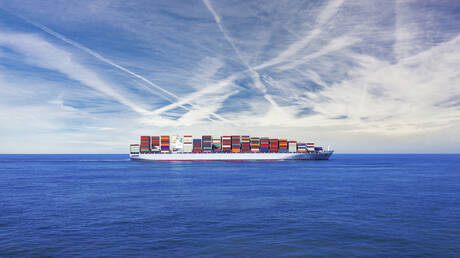
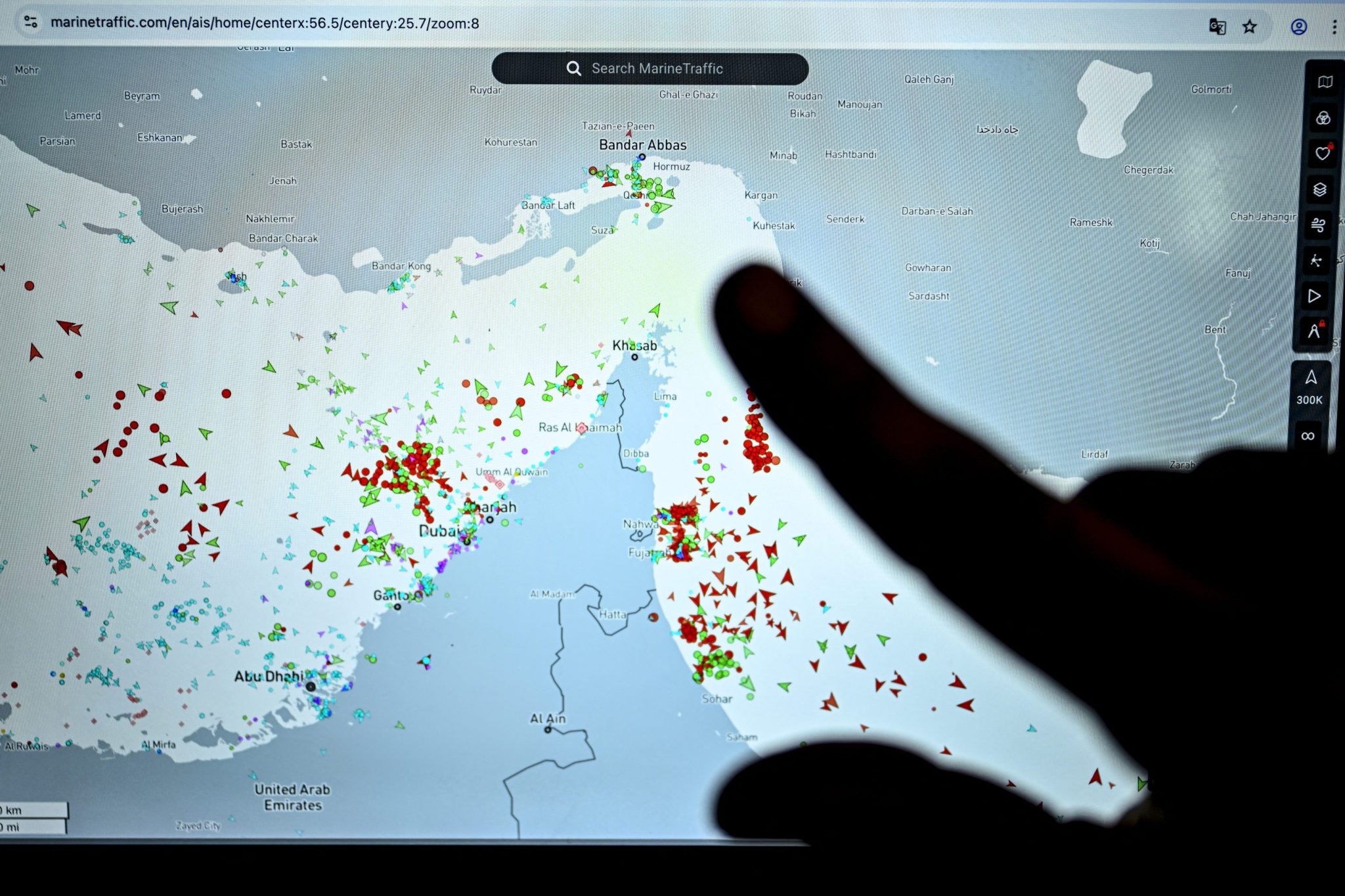
Despite the Strait opening, it’s unclear when commercial shippers will gain the confidence to resume normal operations. Some told the Wall Street Journal they were waiting for clearer security guarantees before resuming normal traffic, which before the war ran around 135 vessels a day.
On the face of it, the reopening is the clearest sign yet that the two-month U.S.-Iran war is winding down. But the bigger story, according to veteran energy analysts, is the fresh leverage Iran discovered it holds in the Gulf.
“It turns out the Strait of Hormuz functions almost like a nuclear deterrent,” said Jim Krane, a Gulf energy expert at Rice University’s Baker Institute and the author of books on Saudi and UAE energy policy. “It’s a pretty strong card that they play, basically holding global economy hostage to halt attacks on it.”
Roughly 20% of the world’s oil and a large share of LNG transit the narrow Strait. When Iran effectively closed it in February, the impact on the global economy was immediate; Asia and Europe faced blackouts and rationing and fertilizer supplies tightened, threatening crop yields. Even Iraq—an Iranian ally—had to shut in oil production because it couldn’t move its gas, forcing its power grid into rolling outages, Krane said.
That pressure is ultimately what forced Iran’s hand, Krane explained. “Iran can probably hang on for a while,” he noted, pointing out that Iranian oil exports have actually risen during the war thanks to cargoes already on the water. “But the pressure on the global economy was really just unsustainable.”
Friday’s euphoric price drop may be premature. Ed Morse, the former longtime head of commodities research at Citigroup, told Fortune that the market is getting ahead of the physical reality. “The forward curves are pointing to, from a consumer perspective, optimism that’s not warranted by where the actual flows are,” Morse said.
The reality is that the markets cannot catch up fast enough to meet the dearth of oil. Morse claims roughly 10 million barrels a day of supply have been disrupted for 45 days. That missing supply from the global system ispartly absorbed by demand destruction and by drawing down inventories that are now “extremely low,” Morse said. Other estimates have gone even higher, like the IEA putting the true daily toll at 20 million barrels per day.
Even if the Strait reopened fully overnight, it would take at least seven weeks for oil that left the Middle East before the war to reach Asia-Pacific markets. “There’s not going to be oil reaching their normal destinations for almost two months,” he said, “and that assumes you’ll get production back rapidly and that you’ll get flows back rapidly, which I don’t think is going to happen.”
Iran has also said it placed mines in the Strait of Hormuz, using its knowledge of their locations as leverage by guiding select ships safely around them, allowing them to further thwart any attempts by ships to move through the Strait without Iranian approval.
That’s one of two things will stretch the timeline further, he added. Mine clearance in the Strait–which Trump posted on Truth Social is happening with Iran’s cooperation—could take the better part of a month depending on cooperation. And ship owners, Morse said, are going to be extremely cautious about sending vessels back into the waterway. A VLCC—the largest class of crude tanker—costs about $120 to $130 million. “You’re not going to risk losing your money machine,” Morse said.
This story was originally featured on Fortune.com
ملاحظة تحريرية | Editorial Note: نُشر هذا المقال في الأصل بواسطة فورتشن العربية. خبر (Khabr) هي منصة إعلامية أردنية مرخّصة تعمل بالذكاء الاصطناعي. نضيف قيمة تحريرية من خلال: تحليل ذكي للأخبار، ملخصات تلقائية، رواية صوتية بالذكاء الاصطناعي، ترجمة متعددة اللغات، وتدقيق الحقائق. هدفنا جعل الأخبار أكثر وضوحاً وسهولةً للقارئ العربي.
This article was originally published by فورتشن العربية. Khabr is a licensed Jordanian AI-powered news platform (Registration #82086). We add editorial value through: AI-powered news analysis, automated summaries, AI audio narration, multi-language translation (Arabic, English, French, Turkish), and AI fact-checking. Our mission is to make news more accessible and understandable for Arabic-speaking audiences worldwide.