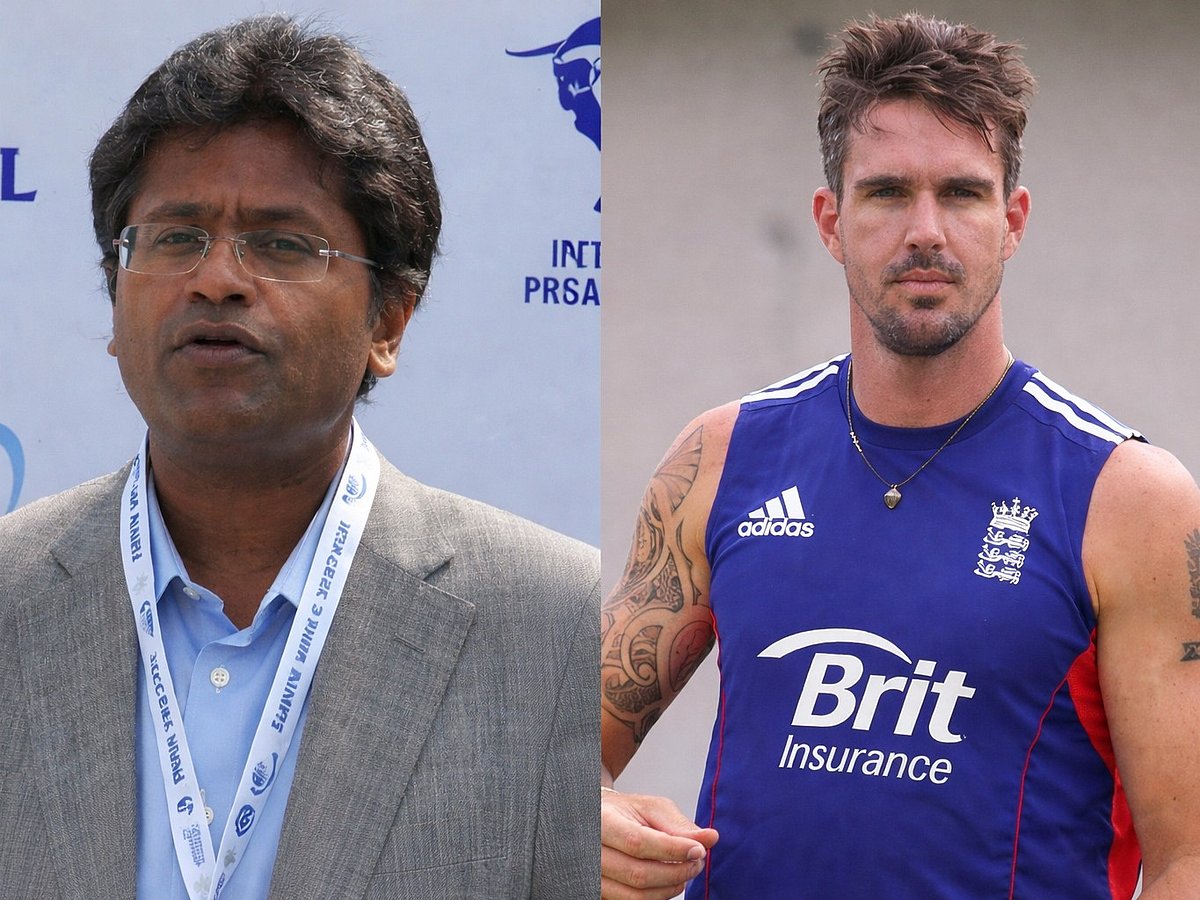
Dubai: Founder of the Indian Premier League (IPL) Lalit Modi and former England cricketer Kevin Pietersen have clashed over the future of The Hundred.
In a recent interview with Overlap Cricket, Modi casted doubt over the long-term future of The Hundred, England’s 100-ball franchise tournament.
The IPL founder argued the tournament faces structural and commercial challenges that could see it fold within three years.
He also criticised its lack of marketing and promotional strength, claiming it isn’t generating revenue. Additionally, he took aim at the format itself, suggesting the 100-ball structure fails to resonate with fans.
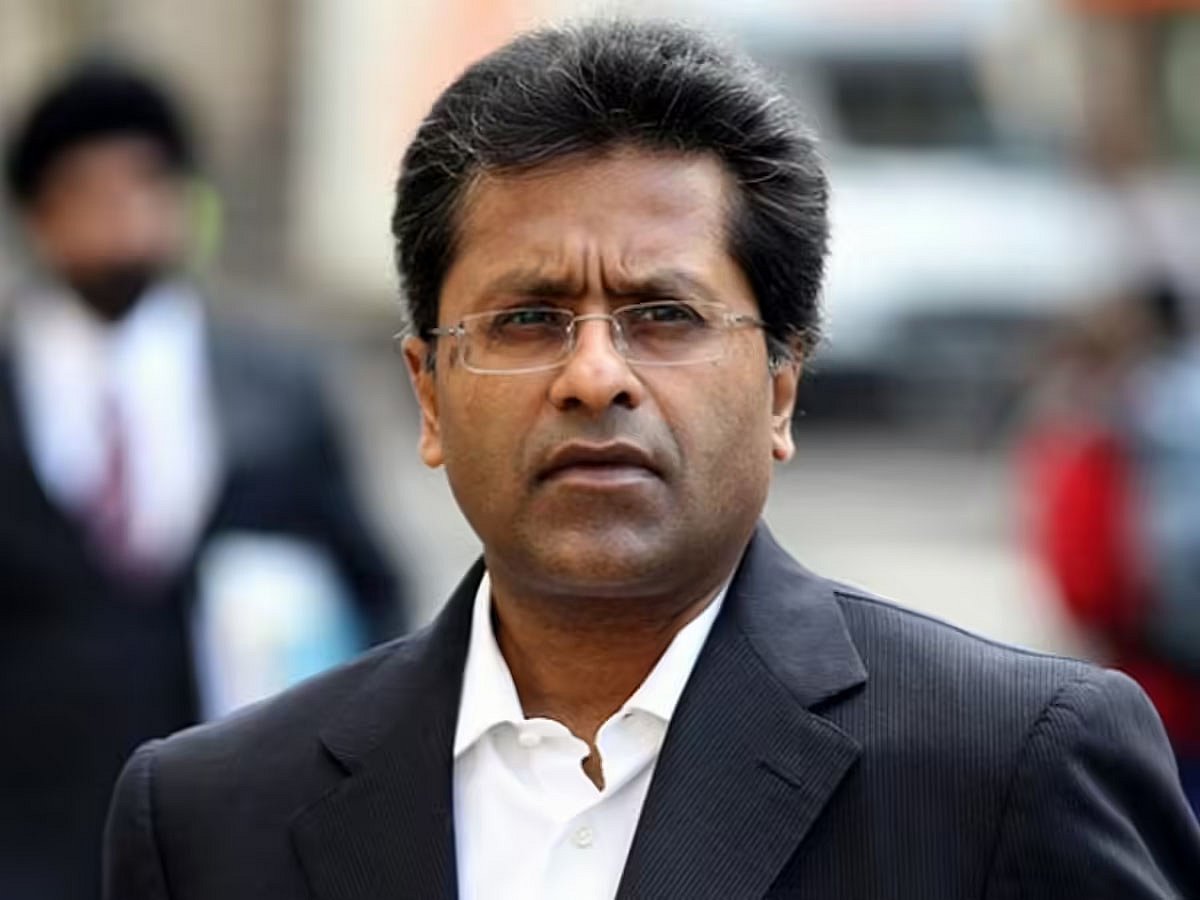
Speaking to Michael Vaughan on the Overlap Cricket podcast, Lalit Modi issued a stark warning while also highlighting the viewing demographics in the United Kingdom.
"It will l die in three years, completely die, it’ll be finished I guarantee it”, said Modi.
“It will pump so much money into it that there will be no future, I’ll give you the simple reasoning. There’s no promotion or marketing behind it.
"Would you buy a Sky package just for The Hundred, for one month? The UK is not an advertisement-driven market. The UK market is the best in the world for subscription revenue. That is Sky Television's model. Its model is subscriber-based.
@sticktocricket “How many balls are in an over?” Lalit Modi doesn’t hold back on The Hundred. #TheHundred #LalitModi #Cricket #IndiaCricket #OverlapCricket
♬ original sound - Stick to Cricket
"People fight for the cricket package, but only when the Ashes are on or when India comes to play. That’s spread over four or five months. You have a one-month window to put The Hundred. You’re buying a cricket package, which is already diminishing," he also added.
Modi’s outspoken remarks clearly did not sit well with former Royal Challengers Bangalore batter and England great KP, who appeared to take issue with the criticism and responded publicly on X, pushing back against the IPL founder’s claims.
Pietersen's post on X, read, “The Hundred won't die in 3yrs, it'll be a T20 comp within 3yrs.”
The Hundred won't die in 3yrs, it'll be a T20 comp within 3yrs.
— Kevin Pietersen (@KP24) April 18, 2026
Reacting to a fan's comment on his post, Pietersen further added, "It'll just be the UK's version of the IPL. Format will change to T20."
As he so often does, Modi fired back on X responding to at Pietersen’s claims that The Hundred could become the UK’s version of the IPL, delivering a brutal response in which he outlined six reasons why he believes that scenario is unlikely.
Modi argued that the UK does not view cricket as a “premier sport,” citing a lack of a “die-hard” fan base, insufficient “population to support it”, a shortage of 'advertisers willing to back it', and the absence of “Indian players”, before going on to set out a detailed explanation for his sixth point.
Modi argues that a full-scale IPL model in the UK is not practical. He says coordinating an 18-team franchise system would be difficult, and even if it did happen, the structure wouldn’t be sustainable because there aren’t enough fixtures available or consistent enough attendances to support it.
Not in this lifetime will ANY T20 tournament will be like the @IPL my friend. Better not to hype it up as such as you don’t have
— Lalit Kumar Modi (@LalitKModi) April 18, 2026
1. Cricket as a premier sports in uk. It’s football followed by rugby followed by racing followed by tennis followed by darts
2. Nor the die… https://t.co/ACzUoiWvkj
He also suggests that the commercial ecosystem isn’t strong enough, meaning ticket demand, broadcasting value, and sponsorship interest wouldn’t reach IPL levels. In his view, the most realistic version of a UK franchise league would be a smaller T20 competition similar to South Africa’s domestic league, rather than a fully expanded, high-intensity tournament.
He then pointed out that the England and Wales Cricket Board’s financial stability still depends heavily on international bilateral series, and that short-format leagues only thrive when all the key ingredients, crowds, broadcasting, and sponsorship, are strong enough to justify premium pricing like major football subscriptions.