Indian firms mobilise against US push to curb offshore call centres
•E-PaperSubscribeSubscribeEnjoy unlimited accessSubscribe Now!
•Get features like Indian IT majors and industry bodies are growing increasingly worried about a proposed rule by the US Federal Communications Commission (FCC) that would restrict the use of offshore...
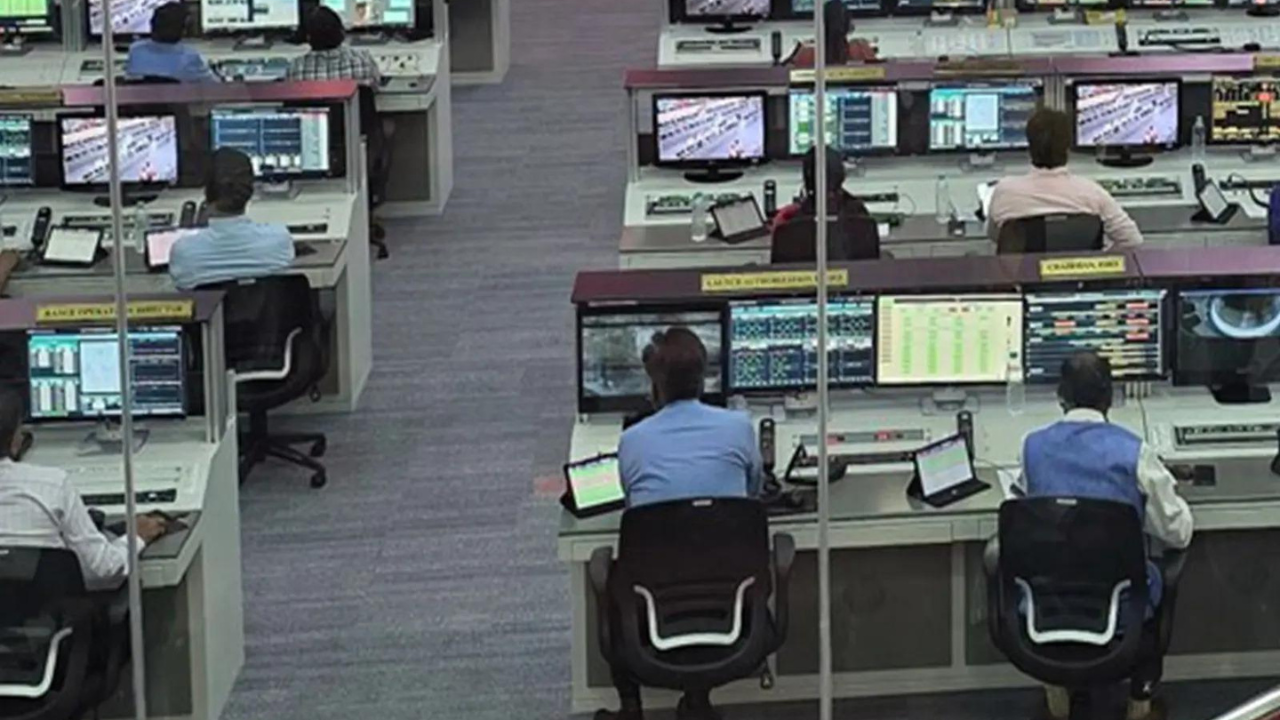
•Indian firms mobilise against US FCC plan to curb offshore call centres (Representative image/Pexel)The FCC proposed the rule on March 26, releasing it the following day, with a public comment period...
هذا الخبر من Hindustan Times. خبر يقدم أدوات ذكاء اصطناعي للتلخيص والترجمة والاستماع.
E-PaperSubscribeSubscribeEnjoy unlimited accessSubscribe Now! Get features like Indian IT majors and industry bodies are growing increasingly worried about a proposed rule by the US Federal Communications Commission (FCC) that would restrict the use of offshore call centres by certain American companies — a move that could reshape one of the most significant sources of outsourcing revenue for companies that have made India the world’s back office for American consumer businesses. Indian firms mobilise against US FCC plan to curb offshore call centres (Representative image/Pexel)The FCC proposed the rule on March 26, releasing it the following day, with a public comment period opening after its publication in the Federal Register. Comments are due by May 26, with reply comments due by June 22. Also Read | India stays on USTR Priority Watch List over IP concerns The rule, framed by the FCC as a consumer protection and national security measure, floats three broad interventions: capping the share of customer service calls that US providers may route to foreign call centres; requiring workers at those centres to demonstrate proficiency in spoken and written American Standard English; and mandating that providers inform customers at the start of each call whether it is being handled outside the US — and offer to transfer it to a US-based representative on request. The FCC has floated 30% as one benchmark for the call volume cap, but has left the figure open for comment; the proposed rule text carries a placeholder rather than a fixed percentage. The agency has also proposed that calls involving sensitive information — passwords, social security numbers, bank account or credit card details — be handled exclusively by US-based representatives, regardless of any cap applied to general call volumes. Also Read | US Congressman Ro Khanna distances self from event featuring RSS general secretary Industry bodies and IT majors are now preparing to contest the proposals through the public comments process, according to people aware of the matter who spoke to HT. NASSCOM, the Indian technology industry’s primary lobbying body, has confirmed it will submit comments and seek direct engagement with the FCC and relevant stakeholders. “We are looking at a positive contribution through an engagement to allay apprehensions. All of us have been given an opportunity to contribute through a submission, which is the first stage, and we will do that. Following that, we will have an engagement with relevant players to highlight areas where we can contribute and allay apprehensions,” said Shivendra Singh, vice president and head of global trade development at NASSCOM. NASSCOM’s core argument will challenge the FCC’s framing of offshore call centres as a security risk. Singh said the distinction the agency should draw is between trusted providers and bad actors — not between onshore and offshore operations. “Offshore operations should not be equated with high risk. The distinction should be between trusted providers and bad actors. Overly broad restrictions risk unintended consequences, including higher prices and reduced service quality. The focus should be more on anti-fraud measures and this is something we are very keen to work on and support,” he said. Singh added that NASSCOM and Indian IT companies would propose concrete alternatives, including the creation of a trusted offshore provider registry and enhanced call authentication frameworks. Western companies have for years benefited from access to skilled English-speaking labour at a fraction of domestic cost — a wage gap the FCC’s own data puts at more than twentyfold between India and the United States — while companies and workers in countries such as India have built one of the most resilient engines of middle-class employment the services economy has produced. The FCC’s case rests on a blend of consumer satisfaction data, privacy enforcement history and fraud statistics. In a statement accompanying the proposals, the FCC cited figures suggesting nearly 70% of US companies had outsourced at least one department, arguing that the shift had cost American communities jobs while creating a range of downstream problems for consumers. The agency cited FBI figures showing that Americans lost at least $1.3 billion to call centre fraud in 2023, and argued that legitimate offshore call centres have inadvertently served as training grounds for scammers who later use acquired skills and infrastructure to target US consumers. The FCC also pointed to enforcement actions against providers whose foreign call centre staff had accessed customer data to unlock stolen mobile phones and sold that information — citing this as evidence that contractual safeguards alone are insufficient. The proposed rules currently apply to providers of telecommunications services, mobile communications, interconnected VoIP, cable television, and direct broadcast satellite services. The FCC has separately sought comment on whether the ambit should be extended to other sectors. The FCC proposals arrive as Indian IT companies are already navigating a more hostile US policy environment. The $100,000 H-1B visa application fee and changes to the H-1B lottery that favour higher-wage earners, introduced last year, have complicated workforce planning for IT services firms. The HIRE Act, introduced in the US Senate in September 2025, poses a further challenge, proposing a 25% excise tax on services payments made by US companies to foreign entities. The act has been read twice and referred to the Senate Committee on Finance.المصدر: Hindustan Times | Source: Hindustan Times
ملاحظة تحريرية | Editorial Note: نُشر هذا المقال في الأصل بواسطة Hindustan Times. خبر (Khabr) هي منصة إعلامية أردنية مرخّصة تعمل بالذكاء الاصطناعي. نضيف قيمة تحريرية من خلال: تحليل ذكي للأخبار، ملخصات تلقائية، رواية صوتية بالذكاء الاصطناعي، ترجمة متعددة اللغات، وتدقيق الحقائق. هدفنا جعل الأخبار أكثر وضوحاً وسهولةً للقارئ العربي.
This article was originally published by Hindustan Times. Khabr is a licensed Jordanian AI-powered news platform (Registration #82086). We add editorial value through: AI-powered news analysis, automated summaries, AI audio narration, multi-language translation (Arabic, English, French, Turkish), and AI fact-checking. Our mission is to make news more accessible and understandable for Arabic-speaking audiences worldwide.