⚡ عاجل: كريستيانو رونالدو يُتوّج كأفضل لاعب كرة قدم في العالم●⚡ أخبار عاجلة تتابعونها لحظة بلحظة على خبر●⚡ تابعوا آخر المستجدات والأحداث من حول العالم●
AI اقتراحات ذكية
AI مباشر|--مشاهد مباشر
1,163,342مقال410مصدر نشط228قناة مباشرة11,384خبر اليوم
•The economy is forecast to expand 1.1% this year on higher energy prices due to Middle East disruptions
The International Monetary Fund (IMF) has raised its growth outlook for Russia, cit...
•The adjustment was driven by “higher commodity prices,” the report said, adding “the momentum” is expected to continue into 2027.
•Inflation is projected at 5.6% this year, down from 8.7% in 2025, and easing further to 4.3% in 2027.
هذا الخبر من RT English. خبر يقدم أدوات ذكاء اصطناعي للتلخيص والترجمة والاستماع.
The economy is forecast to expand 1.1% this year on higher energy prices due to Middle East disruptions
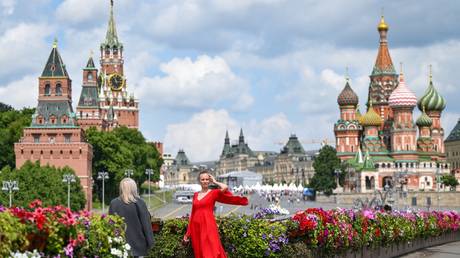
The International Monetary Fund (IMF) has raised its growth outlook for Russia, citing higher commodity prices, while warning that the Middle East war is weighing on the global economy.
In its latest World Economic Outlook released on Tuesday, the IMF said Russia’s GDP is now expected to expand by 1.1% in 2026, marking an upward revision of 0.3 percentage points compared to its January estimate. The adjustment was driven by “higher commodity prices,” the report said, adding “the momentum” is expected to continue into 2027. Inflation is projected at 5.6% this year, down from 8.7% in 2025, and easing further to 4.3% in 2027.
Russia’s Economic Development Ministry has offered a more optimistic outlook, estimating GDP growth at 1.3% in 2026 and 2.8% in 2027.
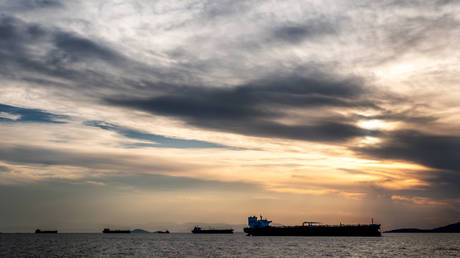
The revised IMF forecast comes as global energy markets have come under renewed pressure due to the US-Israeli war on Iran and Tehran’s retaliatory strikes across the region. The conflict has effectively choked flows through the Strait of Hormuz, a key route accounting for a significant part of global oil and gas supply.
The now paused war in the Middle East is testing the resilience of the global economy. Growth is projected at 3.1% in 2026 & 3.2% in 2027, down from 3.4% in 2025. Without the war, global growth would have been revised upward. Read more: https://t.co/5xMUE4scWOpic.twitter.com/4t2XXinozk
The IMF warned that disruptions to oil supply and the damage to critical energy infrastructure raise the prospect of a “major energy crisis” if hostilities persist. Countries heavily dependent on energy imports are particularly “exposed,” it said.
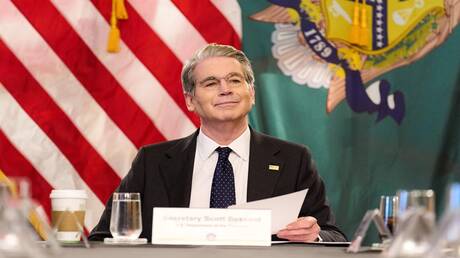
Against this backdrop, the fund downgraded its global growth forecast, now expecting the world economy to expand by 3.1% in 2026, down from 3.4% previously, before rebounding to 3.2% in 2027. It also expects slower growth in the US and a weaker dollar.
The fund has also cut its outlook for the euro area, saying the slowdown reflects the “negative impact of the Middle East conflict.” This adds to the “lingering effects” of higher energy prices since the escalation of the Ukraine conflict, “dragging on manufacturing,” alongside pressure from the euro’s appreciation, the report said.
IMF Managing Director Kristalina Georgieva warned last week that the conflict in the Middle East has delivered a major global energy supply “shock,” saying that world oil output has already fallen by 13%, with ripple effects across energy, commodities, and fertilizers.
ملاحظة تحريرية | Editorial Note:
نُشر هذا المقال في الأصل بواسطة RT English.
خبر (Khabr) هي منصة إعلامية أردنية مرخّصة تعمل بالذكاء الاصطناعي.
نضيف قيمة تحريرية من خلال: تحليل ذكي للأخبار، ملخصات تلقائية، رواية صوتية بالذكاء الاصطناعي، ترجمة متعددة اللغات، وتدقيق الحقائق.
هدفنا جعل الأخبار أكثر وضوحاً وسهولةً للقارئ العربي.
This article was originally published by RT English.
Khabr is a licensed Jordanian AI-powered news platform (Registration #82086).
We add editorial value through: AI-powered news analysis, automated summaries, AI audio narration, multi-language translation (Arabic, English, French, Turkish), and AI fact-checking.
Our mission is to make news more accessible and understandable for Arabic-speaking audiences worldwide.
هذا الخبر ضمن تغطية خبر لقسم سياسة.
نقدّم لك تحليلات ذكية وملخصات يومية لأهم الأخبار من مصادر موثوقة متعددة.
المصدر: RT English.
يوجد 6 مقالات مرتبطة بهذا الموضوع.
This article is part of Khabr's coverage of Politics.
We provide AI-powered analysis, summaries, and multi-source aggregation to keep you informed.
Source: RT English.
Tags: military action, legitimate forces, Houthi.
خبر هو أول مجمّع أخبار عربي يعمل بالذكاء الاصطناعي. نقدم تحليلات ذكية وملخصات تلقائية ورواية صوتية لكل خبر من أكثر من 700 مصدر موثوق. نضيف قيمة تحريرية فريدة من خلال أدوات الذكاء الاصطناعي التي تساعدك على فهم الأخبار بعمق أكبر.
Khabr is the first AI-powered Arabic news aggregator. We provide AI-generated editorial analysis, automated summaries, audio narration, and fact-checking for every article from 700+ trusted sources. Our platform adds unique editorial value through AI tools that help you understand the news more deeply.
يا هلا! اسألني أي شي 🎤
🍪 نستخدم ملفات تعريف الارتباط لتحسين تجربتك وعرض الإعلانات المخصصة. باستخدامك للموقع، فإنك توافق على سياسة ملفات تعريف الارتباط وسياسة الخصوصية.
We use cookies to enhance your experience and show personalized ads. By using this site, you agree to our Cookie Policy and Privacy Policy.
🔍
FREEFree 1GB Internet + Free International Calls
$1 trial — eSIM in 190+ countries — No roaming charges