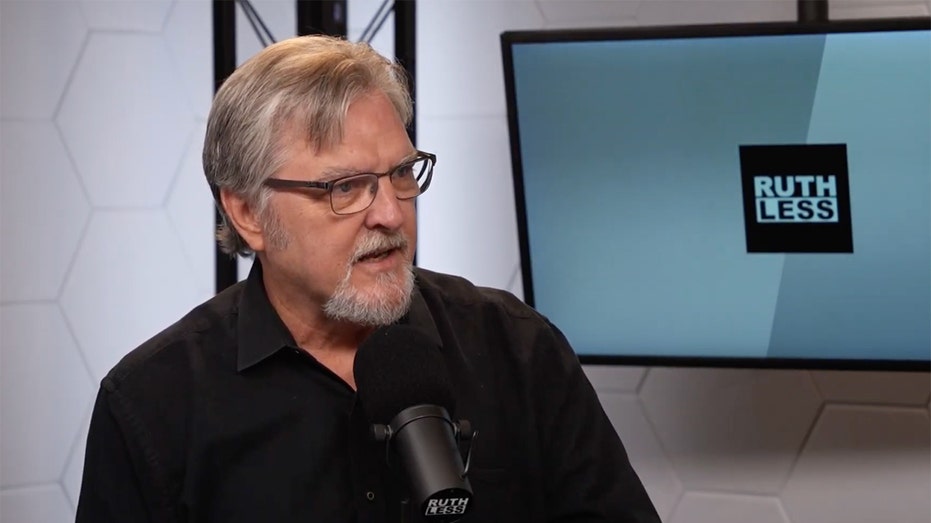
Human League’s Philip Oakey on Why He Didn’t Think ‘Don’t You Want Me’ Would Be a Hit and the Enduring Power of New Wave Music
•Home Music Features Apr 16, 2026 8:15am PT Human League’s Philip Oakey on Why He Didn’t Think ‘Don’t You Want Me’ Would Be a Hit and the Enduring Power of New Wave Music By Pat Saperstein Plus Icon Pa...
•6 days ago See All Los Angeles Times via Getty Imag The New Wave era of spiky but danceable pop tunes and sharp colorful looks may feel like it happened a million years ago, but to everyone’s surprise...
•First popularized as MTV was becoming massively popular, 1980s music endured as the default upbeat soundtrack everywhere from your Trader Joe’s store to shows and movies like “Stranger Things” and “Ma...
هذا الخبر من Variety Entertainment. خبر يقدم أدوات ذكاء اصطناعي للتلخيص والترجمة والاستماع.
ملاحظة تحريرية | Editorial Note: نُشر هذا المقال في الأصل بواسطة Variety Entertainment. خبر (Khabr) هي منصة إعلامية أردنية مرخّصة تعمل بالذكاء الاصطناعي. نضيف قيمة تحريرية من خلال: تحليل ذكي للأخبار، ملخصات تلقائية، رواية صوتية بالذكاء الاصطناعي، ترجمة متعددة اللغات، وتدقيق الحقائق. هدفنا جعل الأخبار أكثر وضوحاً وسهولةً للقارئ العربي.
This article was originally published by Variety Entertainment. Khabr is a licensed Jordanian AI-powered news platform (Registration #82086). We add editorial value through: AI-powered news analysis, automated summaries, AI audio narration, multi-language translation (Arabic, English, French, Turkish), and AI fact-checking. Our mission is to make news more accessible and understandable for Arabic-speaking audiences worldwide.