How the US could clear mines from the Strait of Hormuz
•InternationalHow the US could clear mines from the Strait of HormuzBy Reuters -Apr 16, 2026As the United States embarks on clearing mines from the Strait of Hormuz, it could draw on an arsenal of dron...
•is trying to secure the strait from mines as part of efforts to end Iran’s disruption of shipping, which has severely curbed global energy supplies since the U.S.
•and Israel launched strikes against Iran at the end of February.
هذا الخبر من ARY News EN. خبر يقدم أدوات ذكاء اصطناعي للتلخيص والترجمة والاستماع.
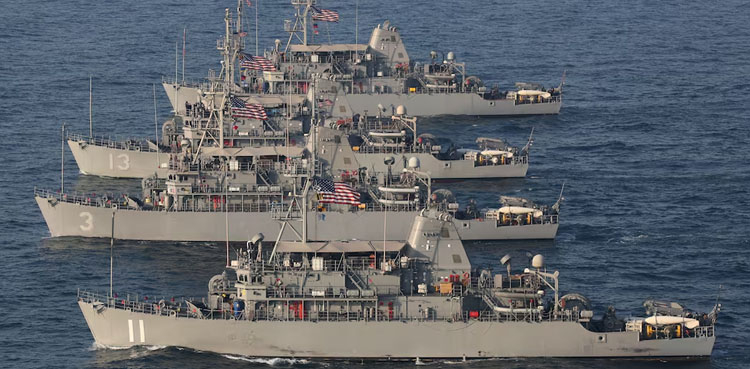
InternationalHow the US could clear mines from the Strait of HormuzBy Reuters -Apr 16, 2026As the United States embarks on clearing mines from the Strait of Hormuz, it could draw on an arsenal of drones, explosive‑laden robots and helicopters to reduce risks, though de‑mining crews could still be vulnerable to Iranian attacks. The U.S. is trying to secure the strait from mines as part of efforts to end Iran’s disruption of shipping, which has severely curbed global energy supplies since the U.S. and Israel launched strikes against Iran at the end of February. But while the U.S. can draw on modernised technology to remotely check for and remove mines, clearing a strategic waterway such as the Strait of Hormuz will still be a slow, multi‑step process, former naval officers and industry specialists say. The U.S. military said over the weekend it had started the mine-clearing operation, sending two warships through the strait, but offered few details about the equipment involved. It said on Saturday that additional forces, including underwater drones, would join the effort in the coming days. Iran had recently deployed about a dozen mines in the Strait of Hormuz, Reuters reported last month, citing sources familiar with the matter. It is not publicly known where mines may have been laid. U.S. President Donald Trump said over the weekend that all of Iran’s minelaying ships had been sunk. But there is a risk Tehran could deploy additional devices, some specialists said. Mine warfare is effective because the devices are cheap, are costly to clear and “even the threat of a minefield is enough to stop ships, especially commercial ships,” said Jon Pentreath, a retired British navy rear admiral who is now a consultant. MODERNIZING MINESWEEPING Traditionally, the U.S. Navy relied on manned minesweeping ships that physically entered minefields, using sonars to locate the devices and mechanical gear dragged behind the vessel to clear explosives, sometimes supported by huma...المصدر: ARY News EN | Source: ARY News EN
ملاحظة تحريرية | Editorial Note: نُشر هذا المقال في الأصل بواسطة ARY News EN. خبر (Khabr) هي منصة إعلامية أردنية مرخّصة تعمل بالذكاء الاصطناعي. نضيف قيمة تحريرية من خلال: تحليل ذكي للأخبار، ملخصات تلقائية، رواية صوتية بالذكاء الاصطناعي، ترجمة متعددة اللغات، وتدقيق الحقائق. هدفنا جعل الأخبار أكثر وضوحاً وسهولةً للقارئ العربي.
This article was originally published by ARY News EN. Khabr is a licensed Jordanian AI-powered news platform (Registration #82086). We add editorial value through: AI-powered news analysis, automated summaries, AI audio narration, multi-language translation (Arabic, English, French, Turkish), and AI fact-checking. Our mission is to make news more accessible and understandable for Arabic-speaking audiences worldwide.