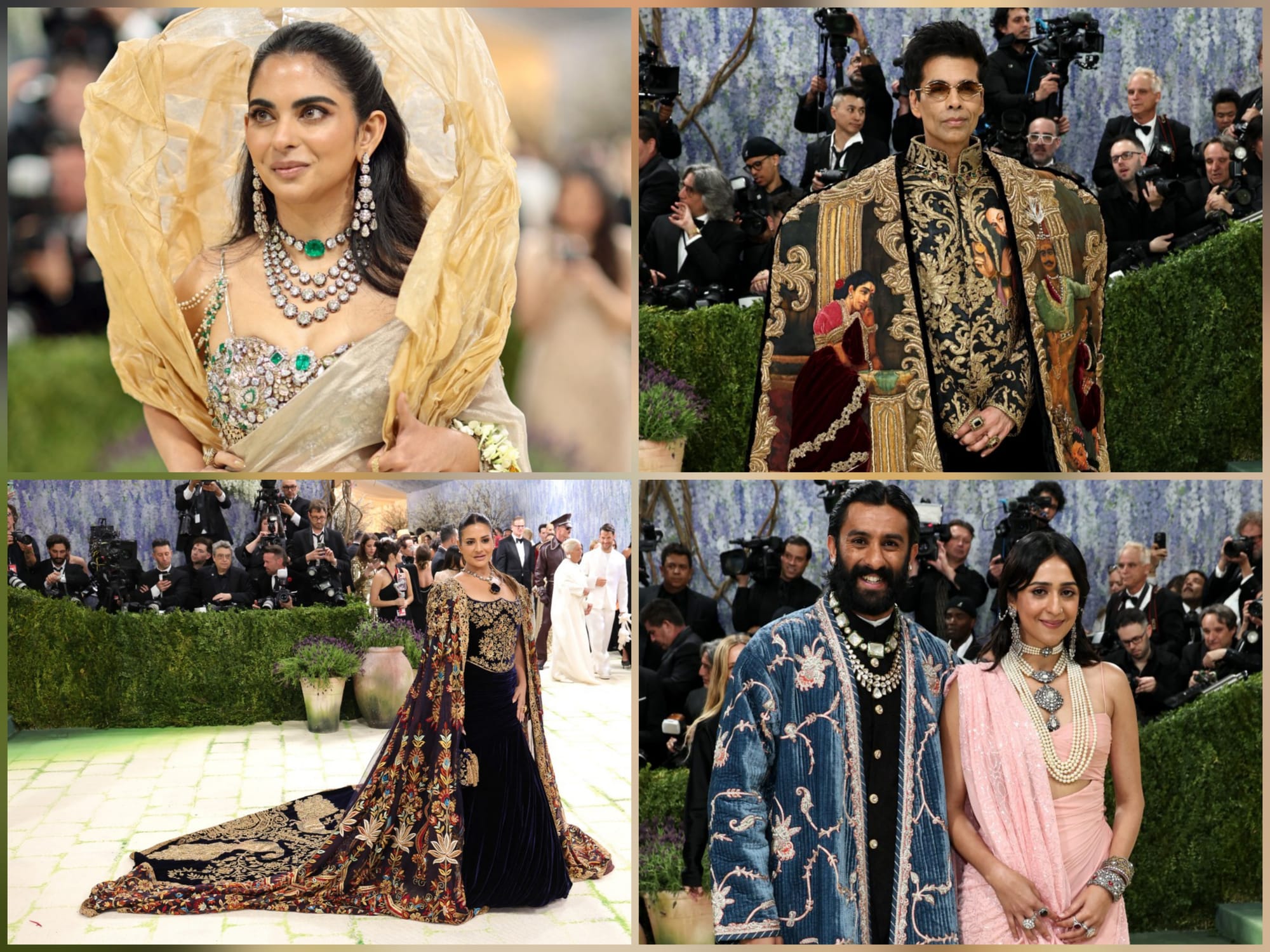
Dubai: If this year’s Met Gala had a quiet winner, it was India.
Under the theme Costume Art and dress code Fashion Is Art, the 2026 carpet became a canvas for some of the most considered and culturally layered dressing of the night. While Hollywood leaned into spectacle, the Indian contingent brought something deeper: heritage worn as a living, breathing art form.
Isha Ambani
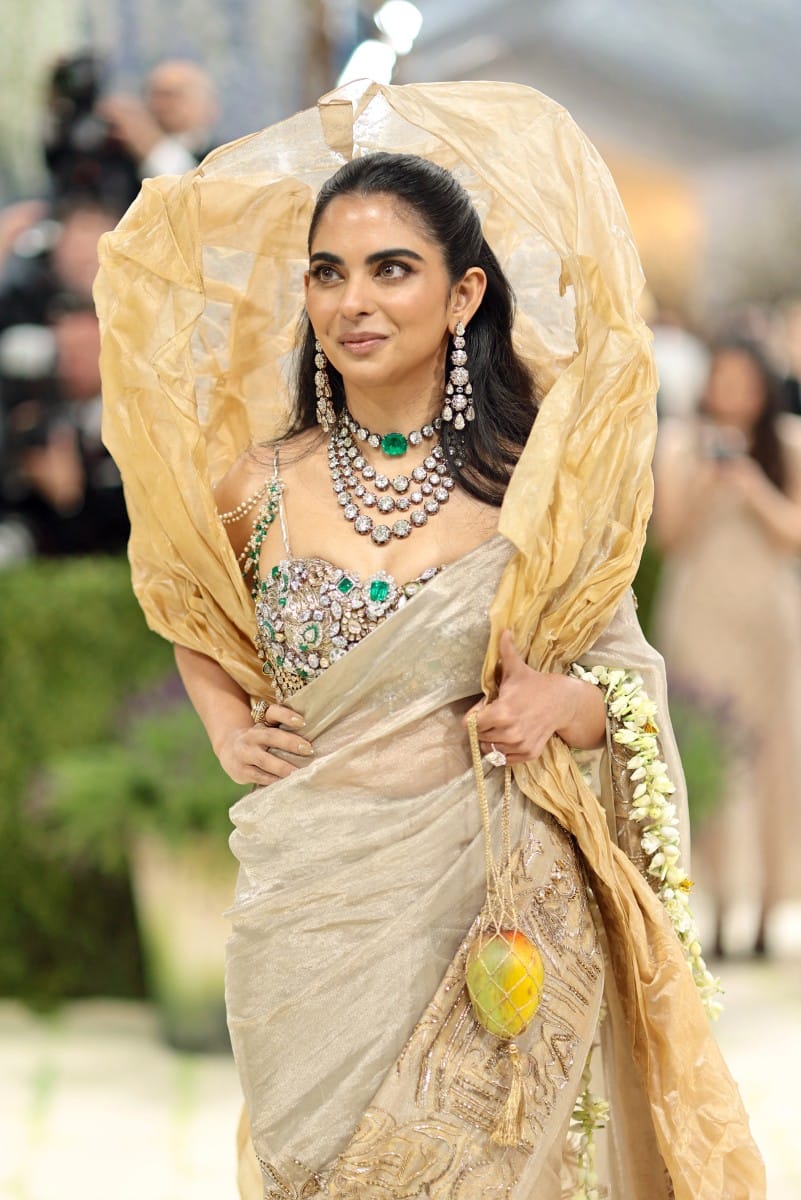
Isha Ambani arrived in a custom Gaurav Gupta sari that felt less like fashion and more like an artefact. Woven with pure gold threads by master artisans at Swadesh and styled by Anaita Shroff Adajania, the piece drew from ancient Indian frescoes, with the sari border featuring hand-painted pichwai-inspired motifs. The result was the kind of look that rewards looking closely, every inch of fabric and jewellery she wore carrying a reference to a tradition older passed down to her from her mother.
Get updated faster and for FREE: Download the Gulf News app now - simply click here.
Karan Johar
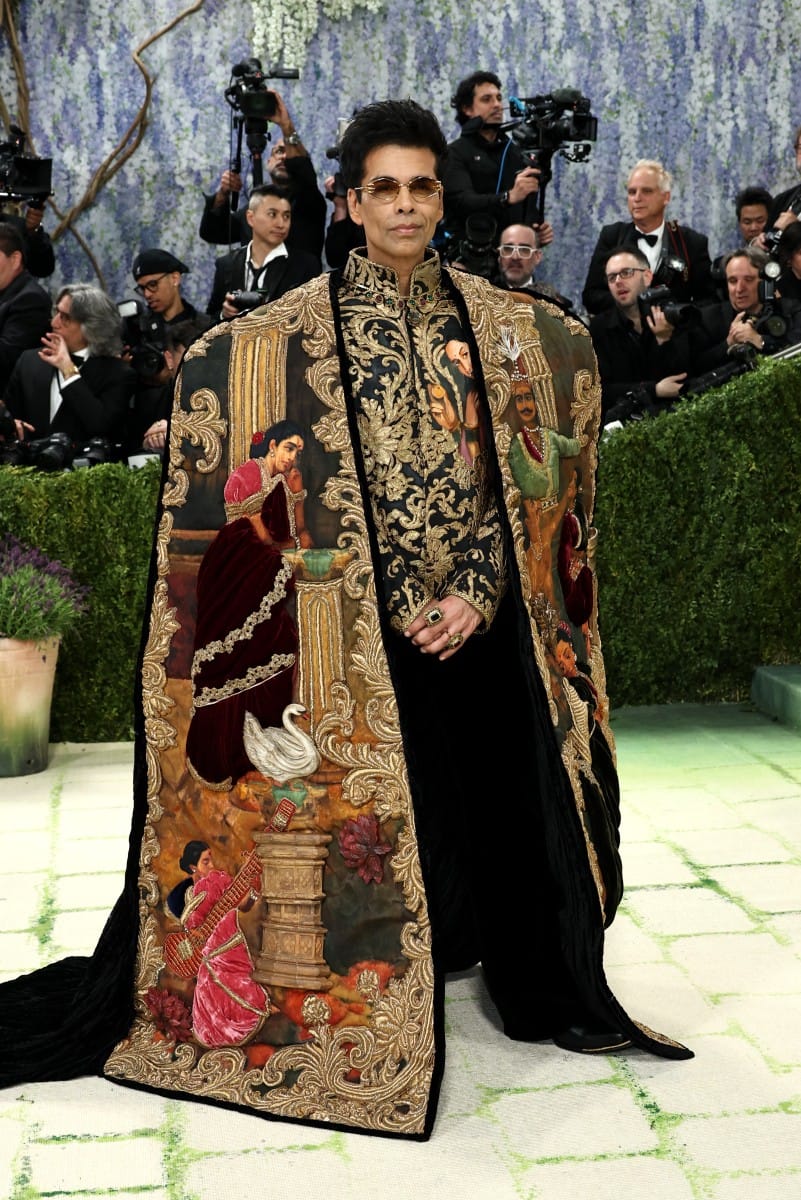
Making his Met Gala debut, Karan Johar arrived in a Manish Malhotra creation that took over 5,600 hours to complete. Inspired by the paintings of Raja Ravi Varma, the ensemble was hand-painted across its entire surface, with zardozi borders, three-dimensional pillars, lotuses and swans worked into the fabric and a hand-painted jacket lining that felt like a gallery piece folded into a coat. Styled by Eka Lakhani, it was one of the most labour-intensive looks of the entire evening.
Princess Gauravi Kumari and Sawai Padmanabh Singh
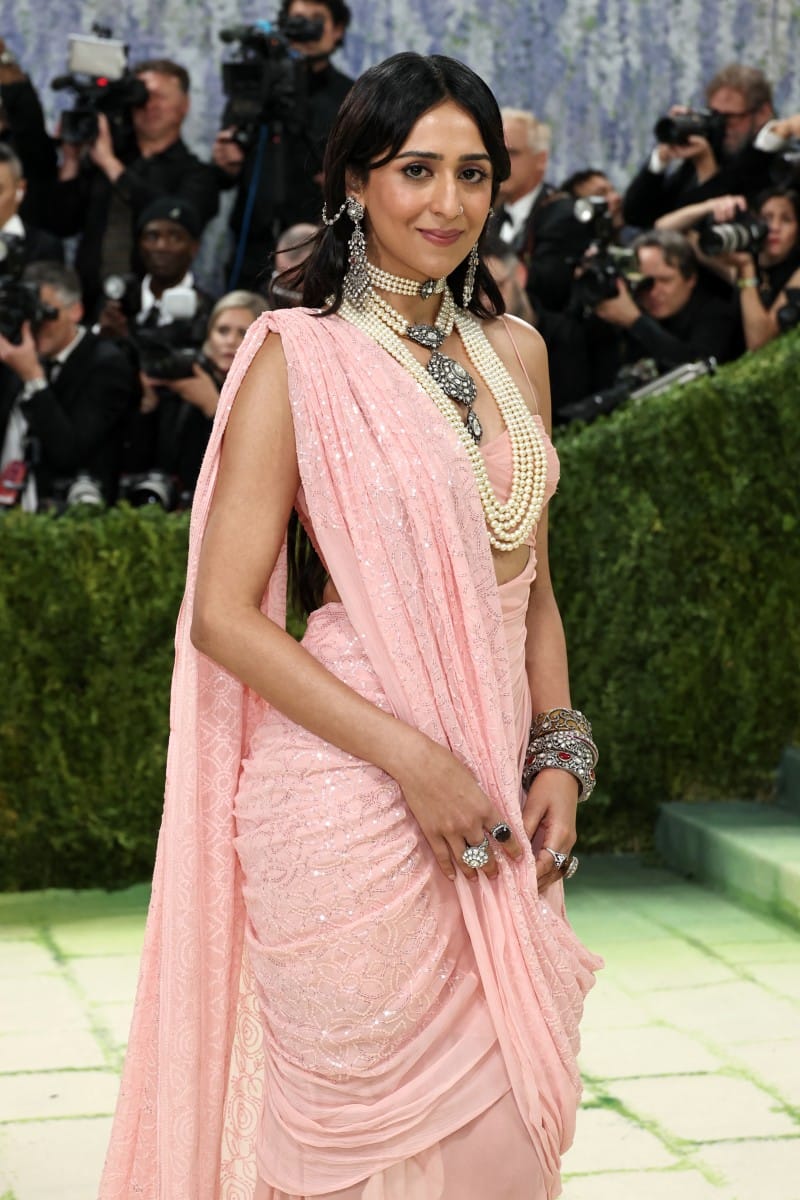
The Jaipur royals brought personal legacy to the carpet in the most literal sense. Princess Gauravi Kumari wore a chiffon sari that originally belonged to her grandmother, Maharani Gayatri Devi, one of the most iconic style figures in Indian history. Designer Prabal Gurung worked the fabric into a gown without altering the way chiffon moves, preserving its drape and behaviour while giving it a new silhouette. The sari itself was not recreated or referenced. It was simply there, worn again, decades later.
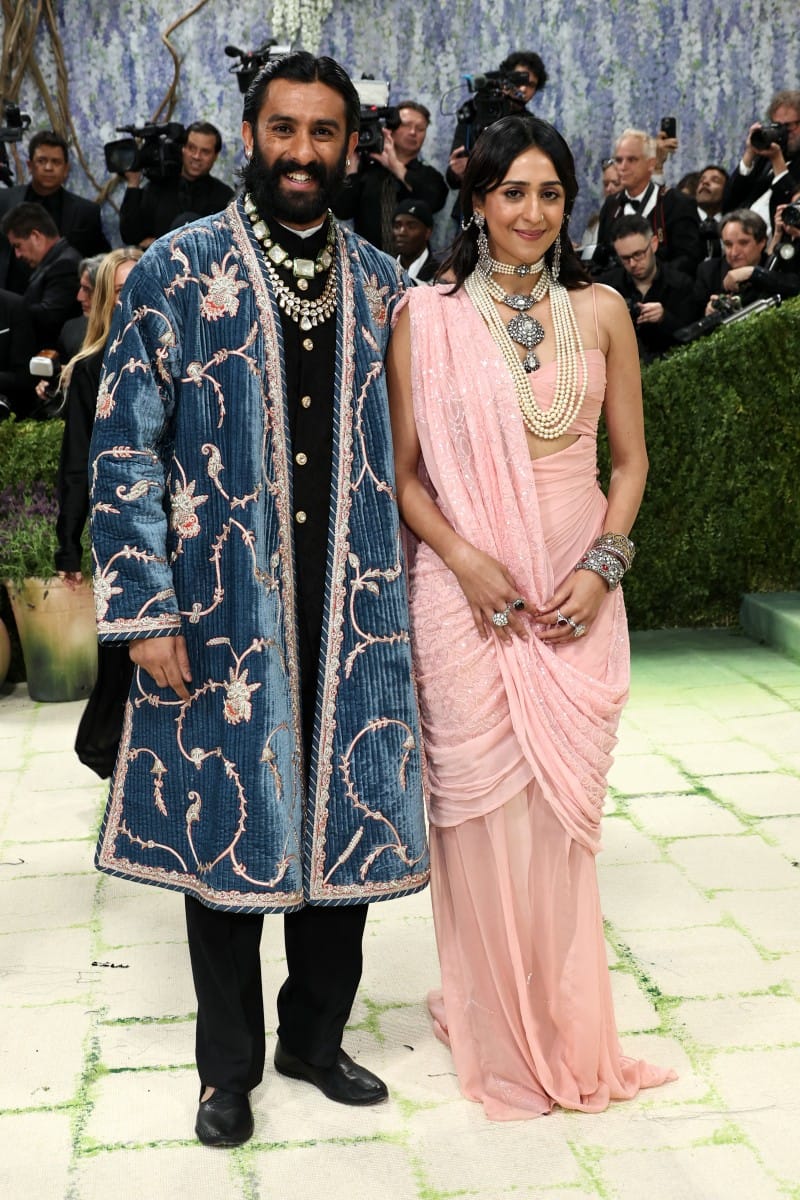
Sawai Padmanabh Singh took a different approach to the same idea of tradition. His Gurung-designed piece was constructed in deep velvet, quilted with cotton and completed over more than 600 hours with aari and zardozi embroidery, finished with dabka and resham work, realised by a team in Jaipur. Where his sister brought an heirloom, he brought a tribute.
Manish Malhotra
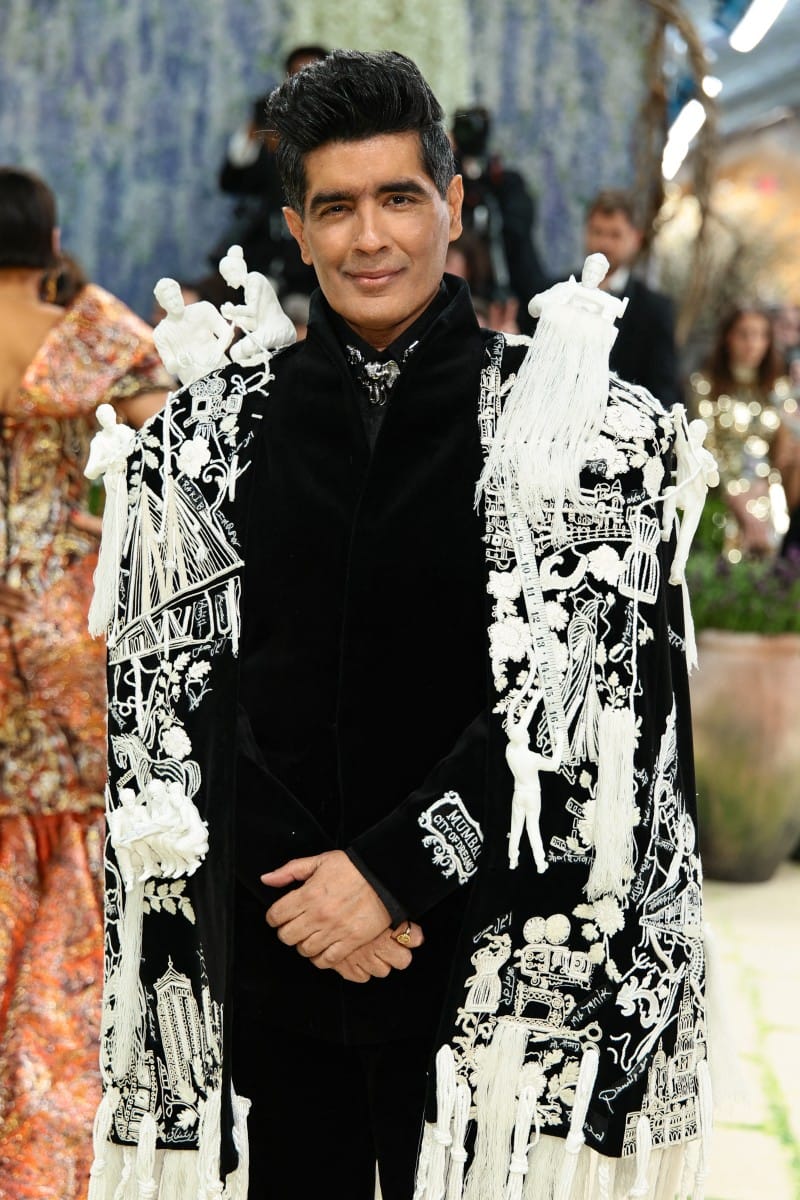
For his second consecutive Met appearance, Malhotra wore his own atelier on his back, quite literally. His cape was embroidered with the names and signatures of the craftspeople who made it, many of whom have worked with him for decades. Paired with a classic Indian bandhgala, it was a quietly radical choice, a designer using one of fashion's biggest stages to put his makers in the spotlight rather than himself.
Diya Mehta Jatia
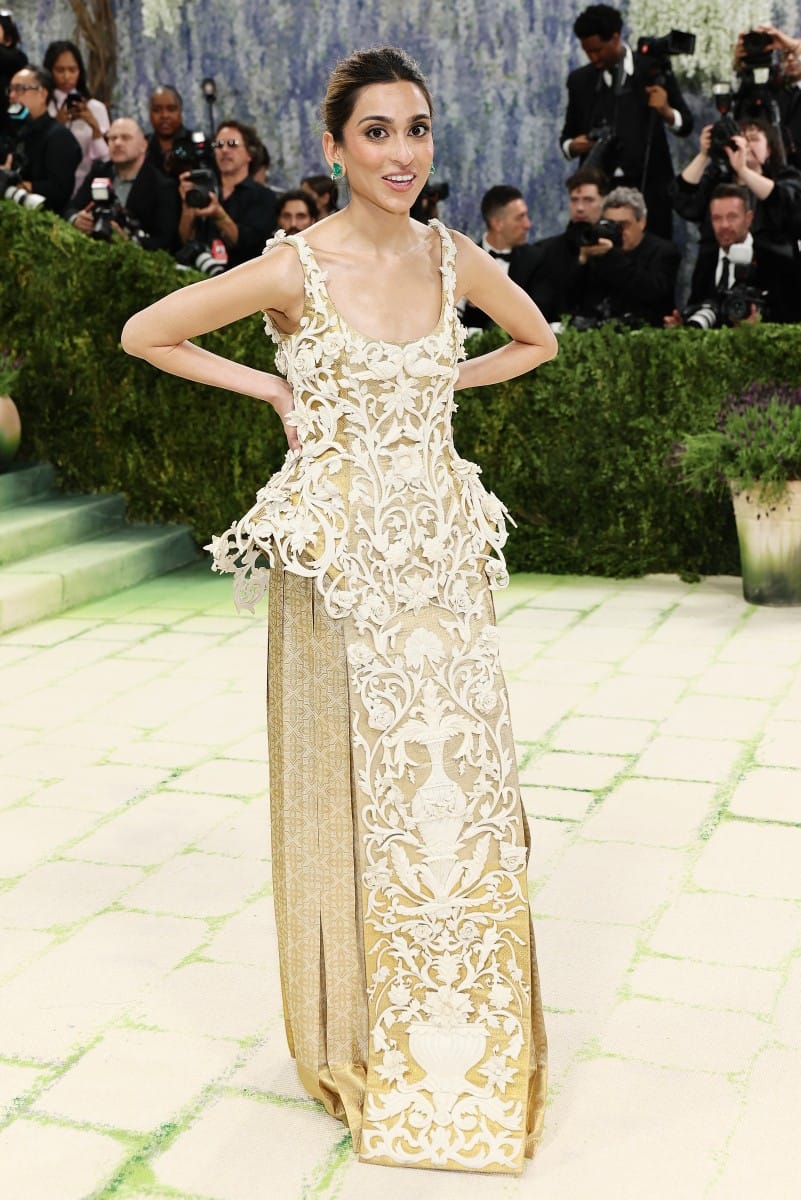
Wearing Mayyur Girotra, Diya Mehta Jatia brought West Bengal's delicate Shola craft to the carpet, layering baroque and French architectural influences over a Kanjivaram base woven from real gold and silver. The combination of European sculptural reference and South Indian textile tradition made for one of the more unexpected and visually rich looks of the night.
Sudha Reddy
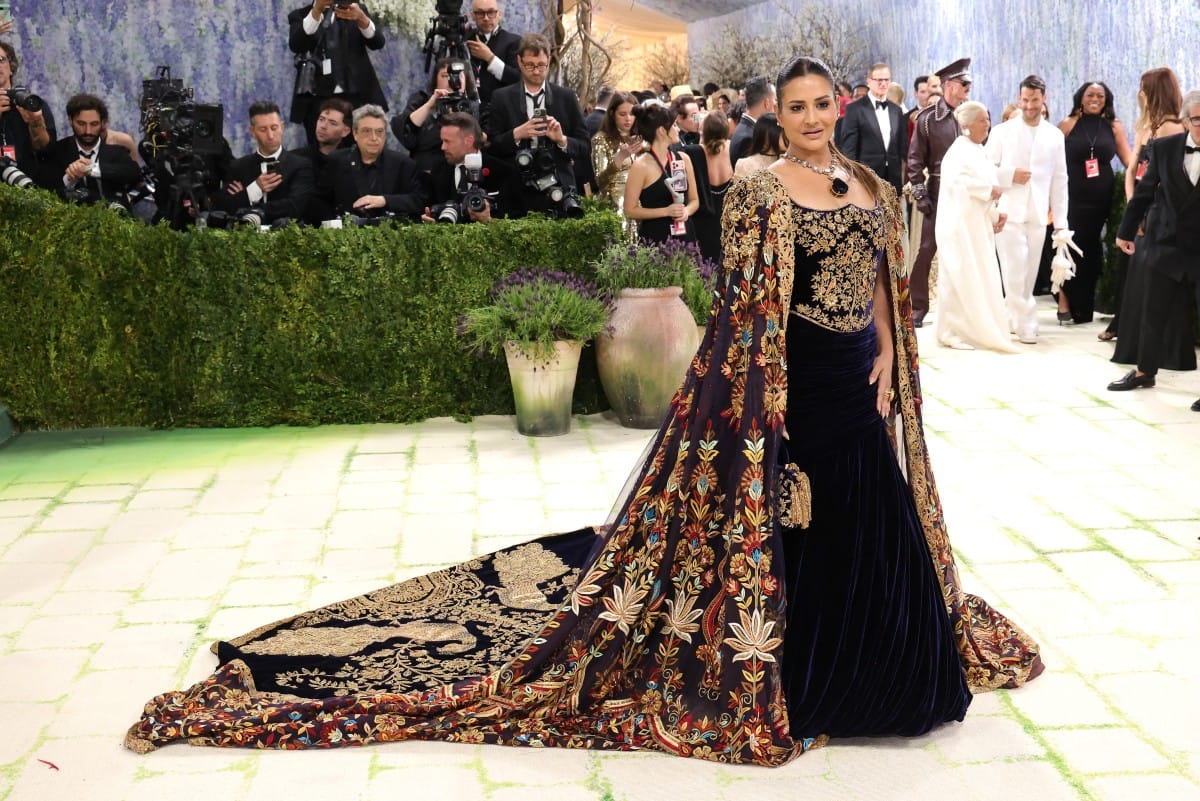
Philanthropist Sudha Reddy worked with Manish Malhotra and stylist Mariel Haenn on an ensemble centred around the Tree of Life, a motif drawn from Kalamkari art traditions in Andhra Pradesh and Telangana. Intricate zardozi and resham embroidery carried the symbolic imagery across the piece, rooting a Met Gala look firmly in the craft vocabulary of southern India.
Ananya Birla
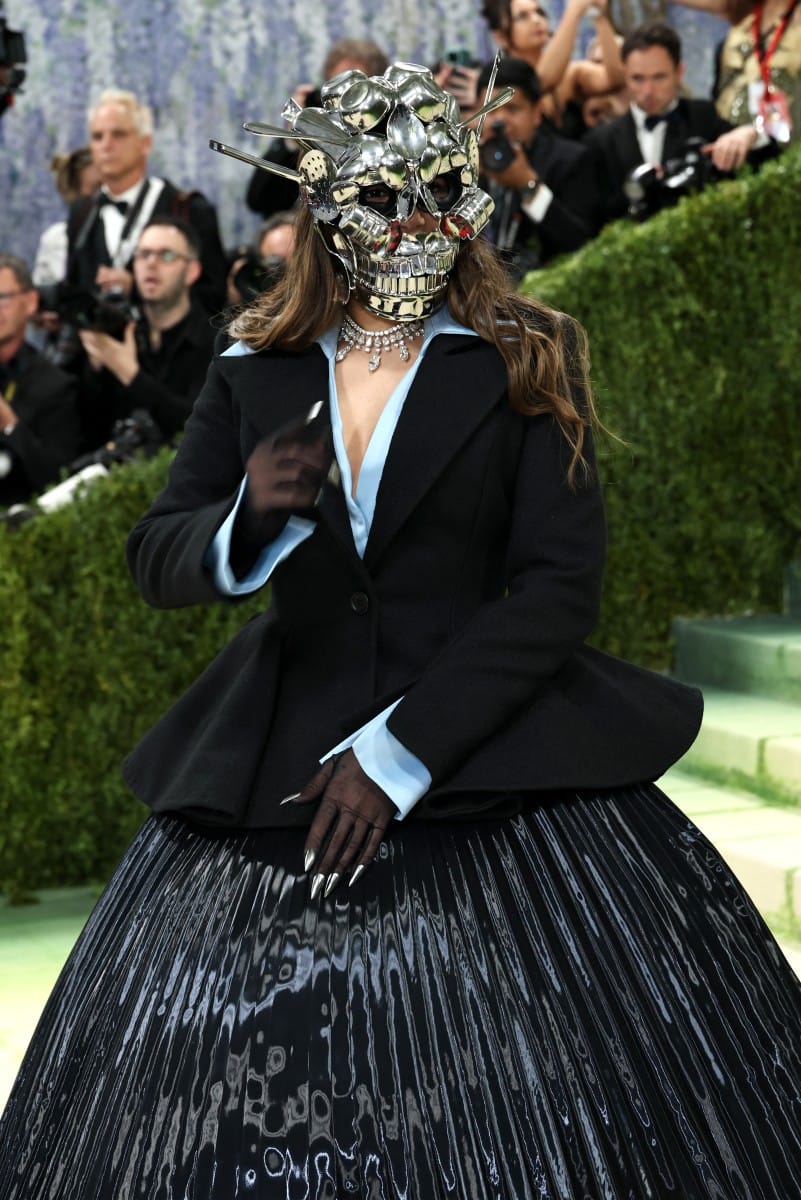
Ananya Birla's look began with Robert Wun's cinematic couture and grew into something more personal through the addition of a mask by artist Subodh Gupta, known for transforming everyday Indian objects into sculpture. Styled by Rhea Kapoor, the ensemble brought together a tailored blazer, a pleated ballroom skirt and Gupta's sculptural work into a single frame, where fashion, fine art and personal identity all sat together.
Taken together, the Indian presence at Met Gala 2026 was not just visually strong. It was a statement about what fashion can carry when it is rooted in craft, memory and meaning.