Hay fever misery does last longer - here is how to cope
•Hay fever misery does last longer - here is how to cope6 minutes agoShareSaveAdd as preferred on GooglePhilippa Roxby and Jim ReedHealth reportersGetty ImagesHay fever sufferers must now put up with s...
•The fine powder released by certain grasses, trees and plants can cause chaos for those who are allergic.So what does this mean for millions of people living with hay fever, and is there anything they...
•Early summer is often peak pollen season, when the number of grains of pollen in the air multiplies.The warm weather seen in the UK over the last two years means conditions have been ideal for birch t...
هذا الخبر من BBC Health. خبر يقدم أدوات ذكاء اصطناعي للتلخيص والترجمة والاستماع.
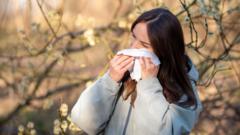
Hay fever misery does last longer - here is how to cope6 minutes agoShareSaveAdd as preferred on GooglePhilippa Roxby and Jim ReedHealth reportersGetty ImagesHay fever sufferers must now put up with symptoms for up to two weeks longer than they would have done in the 1990s, according to a major review.A new report by 65 scientists from around the world found that climate change has "prolonged the pollen season". The fine powder released by certain grasses, trees and plants can cause chaos for those who are allergic.So what does this mean for millions of people living with hay fever, and is there anything they can do to cope?What are the main symptoms of hay fever?Itchy eyes, sneezing, dripping noses, scratchy throats, disrupted sleep and headaches are all signs of hay fever.Around one in five people are allergic to pollen and the main culprit is usually grass, although trees can also trigger symptoms. Early summer is often peak pollen season, when the number of grains of pollen in the air multiplies.The warm weather seen in the UK over the last two years means conditions have been ideal for birch tree pollen - a major hay fever trigger. Warm, dry days help spread pollen through the air, creating what's been dubbed a "pollen bomb".Cities often have lower pollen counts than in the countryside, but pollution in some urban areas can actually make symptoms worse.What impact could climate change have?The new report, published in the journal Lancet Public Health, says climate change is extending the flowering season of some plants.It looked at three trees common in Europe - birch, alder and olive - and found pollination started one to two weeks earlier between 2015 and 2024, compared with 1991 to 2000."We are seeing a prolonged season – an earlier onset of pollination in both the north and south [of Europe]", says Professor Joacim Rocklov, from the University of Heidelberg, one of the authors of the paper.He told the Today Programme on BB...المصدر: BBC Health | Source: BBC Health
ملاحظة تحريرية | Editorial Note: نُشر هذا المقال في الأصل بواسطة BBC Health. خبر (Khabr) هي منصة إعلامية أردنية مرخّصة تعمل بالذكاء الاصطناعي. نضيف قيمة تحريرية من خلال: تحليل ذكي للأخبار، ملخصات تلقائية، رواية صوتية بالذكاء الاصطناعي، ترجمة متعددة اللغات، وتدقيق الحقائق. هدفنا جعل الأخبار أكثر وضوحاً وسهولةً للقارئ العربي.
This article was originally published by BBC Health. Khabr is a licensed Jordanian AI-powered news platform (Registration #82086). We add editorial value through: AI-powered news analysis, automated summaries, AI audio narration, multi-language translation (Arabic, English, French, Turkish), and AI fact-checking. Our mission is to make news more accessible and understandable for Arabic-speaking audiences worldwide.