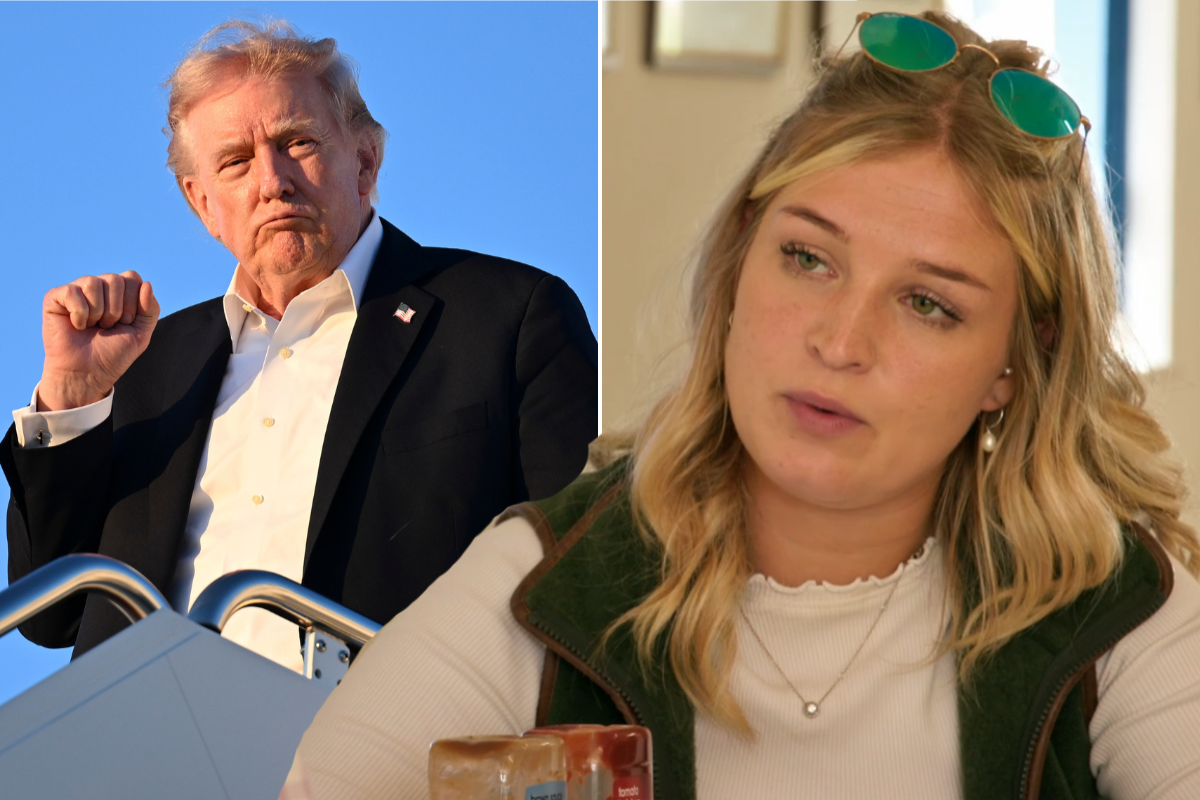
Jeremy Clarkson's former right-hand woman, Harriet Cowan, has delivered a stark warning about the future of British farming amid today's politically charged climate.
The Clarkson's Farm star, who shot to fame as Kaleb Cooper's temporary replacement in season four of the Amazon series, knows all too well the pressures that come with keeping her farm afloat.
From unpredictable weather to unruly livestock, Ms Cowan was on hand to witness all the challenges facing Mr Clarkson at his own Diddly Squat farm in Oxfordshire.
But now, since returning to her old job in Derbyshire, there's a new obstacle she and her fellow farmers are having to overcome.

"The war in Iran has affected us massively," Ms Cowan has revealed. "The price of diesel is going up, and the red diesel in the tractors is just getting higher and higher."
She continued: "Although people wouldn't associate the war with having a massive impact on farming, and the general public probably looks out their windows and thinks it's fine, it's not; it's quite detrimental."
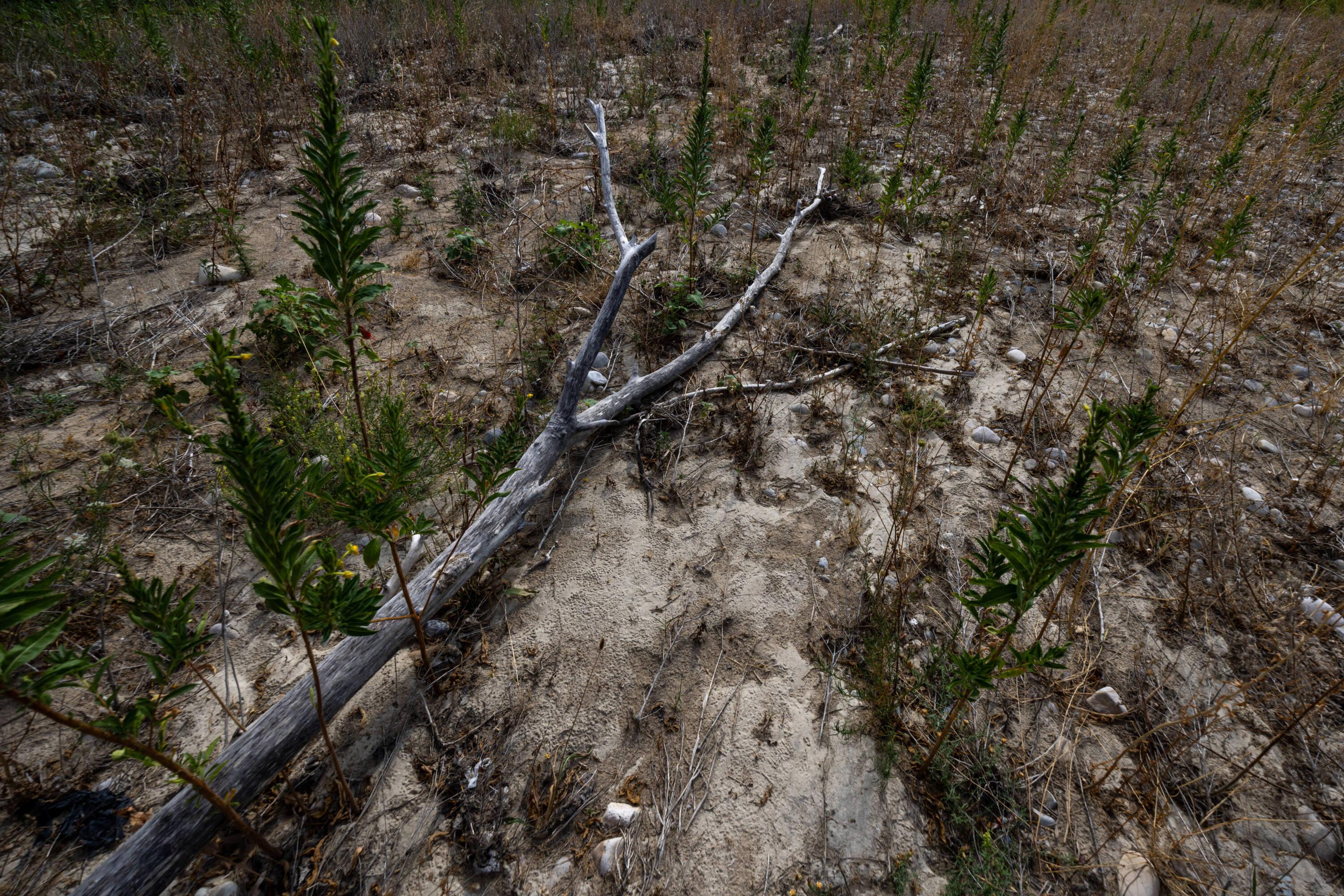
Detailing what exactly this means for farmers, Ms Cowan explained how fuel prices "going through the roof" means that farmers can't carry out their work in the fields.
"We can't drill those fields, we can't sow that crop, we can't grow that food. I think it's crazy that we're in 2026 and we're still doing this," she went on.
Ms Cowan described the current situation as "tough" for farmers before adding to the Daily Express: "Hopefully it can get wrapped up, and things can go back to normal because it's not fun and it needs to stop."
Ms Cowan's plea came before President Donald Trump signalled that his military campaign against Iran could be drawing to a close on Wednesday.
The US President posted on Truth Social that the "already legendary Epic Fury" could soon end if Tehran accepts the terms under discussion.
President Trump cautioned, however, that "bombing" would resume "at a much higher level and intensity" should Iran reject the proposed agreement.
LATEST DEVELOPMENTS
- The Odyssey inaccuracy row erupts as fans pick apart distracting feature in Matt Damon trailer
- BBC Strictly fans fume 'how have THEY survived' as pro dancer line-up confirmed amid mass exits
- Graham Linehan praised as he overcomes Sadiq Khan social media shut-out with 'glorious' takedown

According to Axios, negotiators are currently drafting a one-page memorandum of understanding intended to establish a framework for further nuclear non-proliferation discussions.
Sources close to the White House indicate this represents the nearest the two nations have come to securing a peace settlement.
Under the proposed framework, Iran would commit to suspending uranium enrichment for a specified duration, whilst Washington would agree to relax economic sanctions and release billions in Iranian funds currently held overseas.
Both nations would additionally remove barriers to commercial shipping through the Strait of Hormuz, the vital waterway carrying approximately one-fifth of global oil and gas supplies.
Nevertheless, the majority of these provisions would only come into force once a final accord is reached, leaving open the possibility of prolonged uncertainty.
Active hostilities remain suspended, but a permanent resolution has yet to be secured between the two sides.
Chinese foreign minister Wang Yi has pressed for the Strait of Hormuz to reopen "as soon as possible" during discussions with his Iranian counterpart Abbas Araqchi in Beijing on Wednesday.
Mr Wang told the Iranian foreign minister that securing a lasting ceasefire was an "urgent priority" and that Beijing stood ready to assist in reducing tensions.

The diplomatic meeting takes place just days before President Trump is scheduled to meet Chinese leader Xi Jinping, with the Iran conflict and strait access expected to feature prominently in their discussions.
Beijing has sought to act as a mediator whilst avoiding direct involvement in the conflict, repeatedly encouraging both Washington and Tehran to pursue negotiations.
Despite the apparent progress, several US officials remain doubtful that even a preliminary agreement will materialise.
Secretary of State Marco Rubio acknowledged the complexity of negotiations earlier this week, stating: "We don't have to have the actual agreement written in one day."
Mr Rubio also cast doubt on Tehran's capacity to deliver, describing some of Iran's senior leaders as "insane in the brain" and noting that Washington believes the Iranian leadership is internally divided.
Oil prices have fallen sharply following the president's announcement, having fluctuated considerably since the conflict began on February 28 and Iran closed the strait days later.
Our Standards: The GB News Editorial Charter