📱حمّل تطبيق خبر الآن!— تابع الأخبار لحظة بلحظة
App Store
...|🕐--:--
------
عاجل
⚡ عاجل: كريستيانو رونالدو يُتوّج كأفضل لاعب كرة قدم في العالم●⚡ أخبار عاجلة تتابعونها لحظة بلحظة على خبر●⚡ تابعوا آخر المستجدات والأحداث من حول العالم●
AI اقتراحات ذكية
AI مباشر|--مشاهد مباشر
1,081,578مقال401مصدر نشط228قناة مباشرة4,018خبر اليوم
آخر تحديث:منذ 3 ثواني
GITEX Future Health Africa: Morocco Pitches Itself as Africa’s Health Hub
•Casablanca — Morocco is stepping up its push to position itself as a regional hub for health innovation, as officials and industry leaders gathered on Tuesday ahead of the first edition of GITEX Futur...
•The pre-opening press conference, held today at Mohammed VI University of Health Sciences, brought together government officials, organizers and healthcare stakeholders to outline the scope of the eve...
•Opening the session, Amine Tahraoui said the initiative comes at a time when Morocco is undergoing a deep transformation of its healthcare system, driven by reforms launched under King Mohammed VI.
هذا الخبر من Morocco World News. خبر يقدم أدوات ذكاء اصطناعي للتلخيص والترجمة والاستماع.
Casablanca — Morocco is stepping up its push to position itself as a regional hub for health innovation, as officials and industry leaders gathered on Tuesday ahead of the first edition of GITEX Future Health Africa.
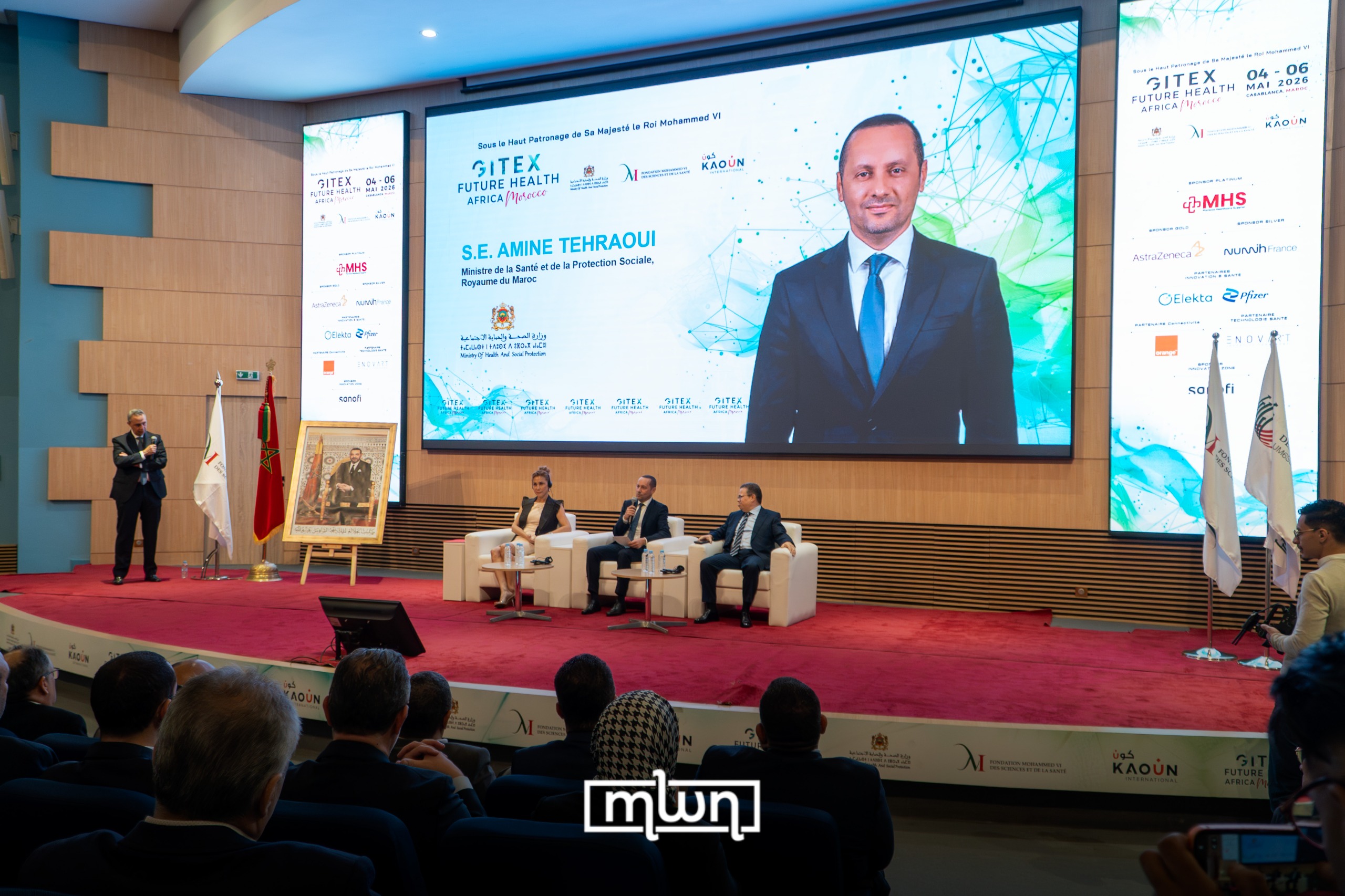
The pre-opening press conference, held today at Mohammed VI University of Health Sciences, brought together government officials, organizers and healthcare stakeholders to outline the scope of the event, scheduled for May 4 to 6 in Casablanca.
Opening the session, Amine Tahraoui said the initiative comes at a time when Morocco is undergoing a deep transformation of its healthcare system, driven by reforms launched under King Mohammed VI.
“We are in a phase of rebuilding our health system,” he said, describing the overhaul as a structural project built on infrastructure, human capital, digitization and governance.
Tahraoui pointed to increasing public and private investment in the sector, alongside the rapid evolution of technologies. In that context, he said, hosting an event of this scale reflects Morocco’s ambition to strengthen its international positioning while also supporting African countries facing similar challenges.
Amine Tahraoui, Morocco’s Helath Minister.
“This event serves two objectives,” he said. “To position Morocco internationally… and to create a platform for Africa to connect actors, structure the market and accelerate projects.”
He also pushed back on concerns about inequality in access to care, saying Morocco is “not working toward a two-speed healthcare system” and that new investments aim to ensure consistent standards across regions.
Digital tools, particularly artificial intelligence, could help address disparities in access to healthcare, especially in remote areas, he argued. Pilot projects using AI in diagnostics are already being tested, he said, with the aim of scaling them nationwide.
Building an ecosystem beyond the event
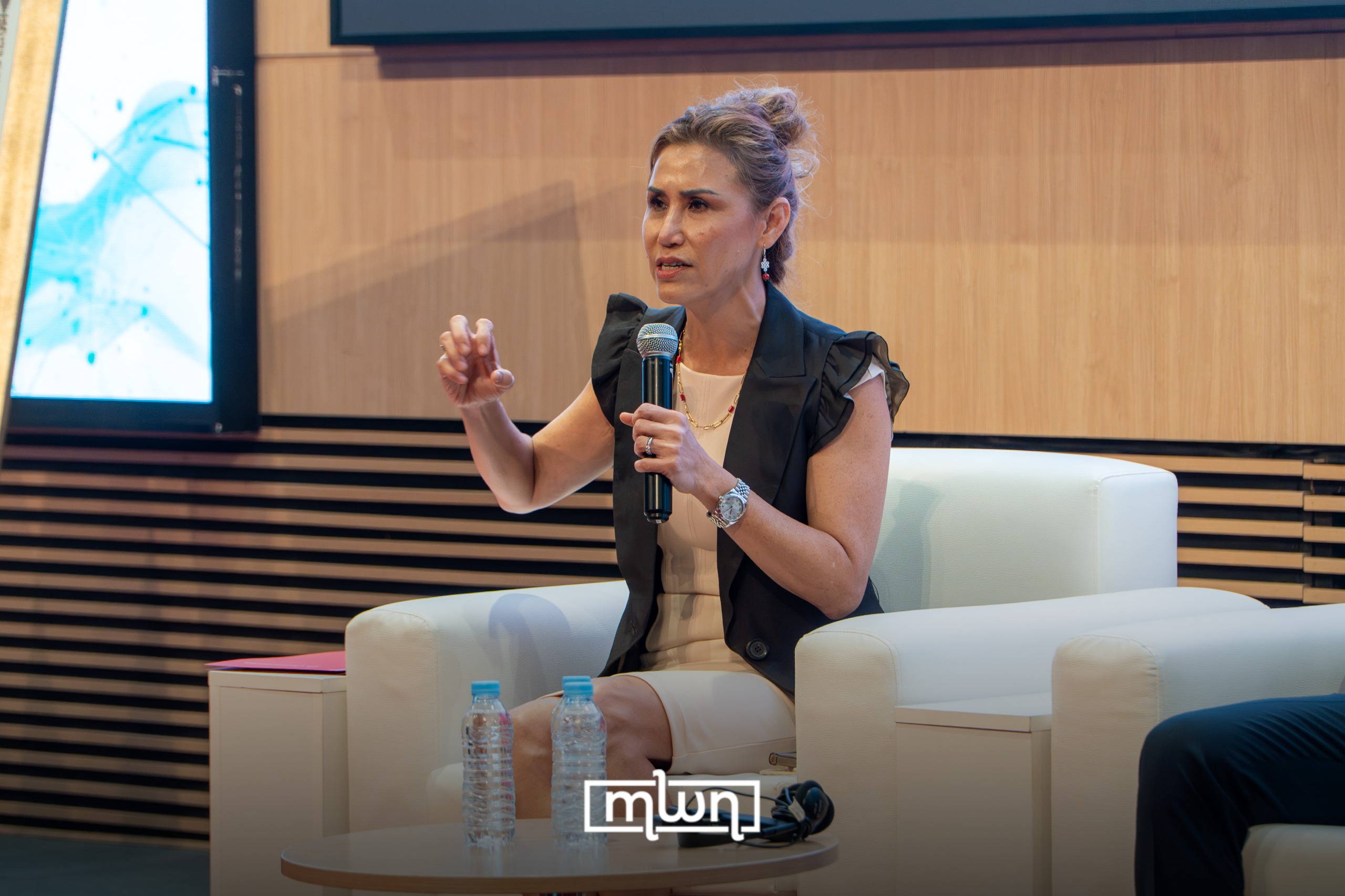
For Trixie LohMirmand, CEO of KAOUN International, the launch of GITEX Future Health Africa reflects a shift in how healthcare systems are evolving globally.
“If you look at which industry AI has the biggest impact on, it’s healthcare,” she said. “It’s about improving lives.”
The sector is expected to face a global shortage of up to 10 million healthcare workers by 2030, she noted, arguing that AI will play a key role in improving productivity, accelerating diagnostics and reducing administrative burdens.
But she was clear that the event itself is not meant to deliver instant results.
Trixie LohMirmand, CEO of KAOUN International.
“It’s an event at the end of the day. It’s an engine,” she said. “It’s up to governments, the private sector, and all the stakeholders involved in it on how they want to use this engine.”
Responding to a Morocco World News question about the risk of such gatherings remaining purely symbolic, LohMirmand emphasized the need for long-term engagement.
“To think that an event of three days in a year is going to transform Morocco or the region is not real,” she said. “But it can inspire. It can bring people, talent, commitment and motivation from around the world.”
She stressed that the goal is to build a broader ecosystem rather than a transactional marketplace.
“We’re not interested in just bringing machinery and buy-sell,” she said. “You need policymakers, investors, academia. You need conversations that don’t happen in isolation.”
The first edition is expected to bring together around 200 companies from nearly 30 countries, with roughly 40% participating in Morocco for the first time. International investors are also set to attend, including firms exploring the Moroccan market for the first time.
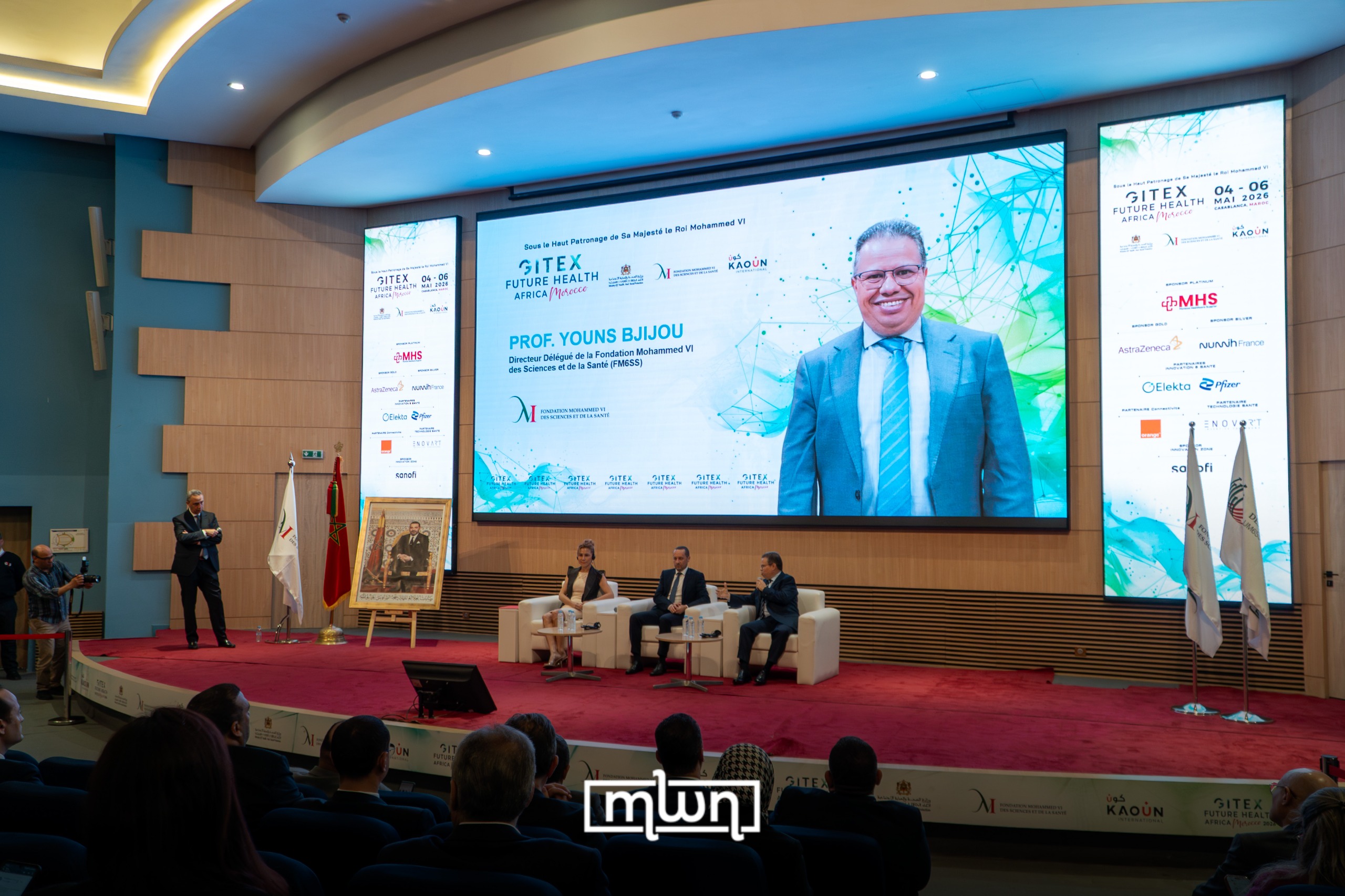
For his part, Youns Bjijou, Deputy Director of the Mohammed VI Foundation for Sciences and Health, highlighted the importance of human capital in sustaining these ambitions. He described workforce development as one of the main challenges facing the healthcare system.
“It is illusory to think that the doctor alone can solve everything,” he said. “It is an ecosystem.”
Youns Bjijou, Deputy Director of the Mohammed VI Foundation for Sciences and Health.
Bjijou pointed to ongoing efforts to expand training programs in nursing and health sciences, as well as investments in research and innovation through the foundation’s institutions.
He also emphasized the role of collaboration between public institutions, private actors and academia in building a more resilient system.
Across the discussion, speakers returned to the same idea. Morocco is trying to move faster, integrating new technologies while reshaping its healthcare model.
Morocco World News is also on X — check out our latest posts now! Get MWN on iOS and Android for instant access to breaking news.
ملاحظة تحريرية | Editorial Note:
نُشر هذا المقال في الأصل بواسطة Morocco World News.
خبر (Khabr) هي منصة إعلامية أردنية مرخّصة تعمل بالذكاء الاصطناعي.
نضيف قيمة تحريرية من خلال: تحليل ذكي للأخبار، ملخصات تلقائية، رواية صوتية بالذكاء الاصطناعي، ترجمة متعددة اللغات، وتدقيق الحقائق.
هدفنا جعل الأخبار أكثر وضوحاً وسهولةً للقارئ العربي.
This article was originally published by Morocco World News.
Khabr is a licensed Jordanian AI-powered news platform (Registration #82086).
We add editorial value through: AI-powered news analysis, automated summaries, AI audio narration, multi-language translation (Arabic, English, French, Turkish), and AI fact-checking.
Our mission is to make news more accessible and understandable for Arabic-speaking audiences worldwide.
هذا الخبر ضمن تغطية خبر لقسم صحة.
نقدّم لك تحليلات ذكية وملخصات يومية لأهم الأخبار من مصادر موثوقة متعددة.
المصدر: Morocco World News.
يوجد 6 مقالات مرتبطة بهذا الموضوع.
This article is part of Khabr's coverage of Health.
We provide AI-powered analysis, summaries, and multi-source aggregation to keep you informed.
Source: Morocco World News.
Tags: health, Africa, Morocco.
🍪 نستخدم ملفات تعريف الارتباط لتحسين تجربتك وعرض الإعلانات المخصصة. باستخدامك للموقع، فإنك توافق على سياسة ملفات تعريف الارتباط وسياسة الخصوصية.
We use cookies to enhance your experience and show personalized ads. By using this site, you agree to our Cookie Policy and Privacy Policy.
🔍
FREEFree 1GB Internet + Free International Calls
$1 trial — eSIM in 190+ countries — No roaming charges