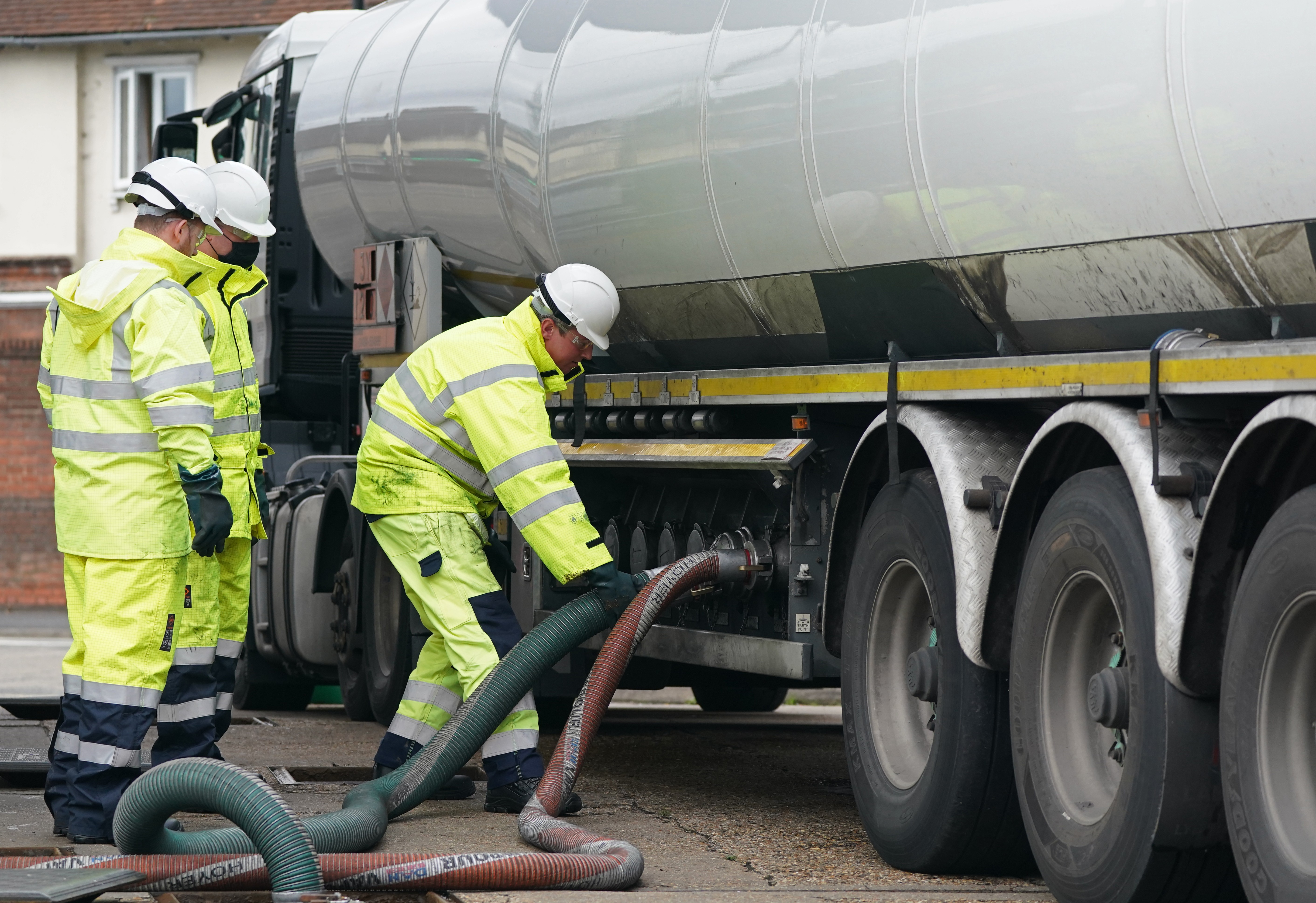
Fuel theft gangs strike UK depots as soaring petrol and diesel prices prompt criminal action
•Drivers have been warned that criminal gangs known for stripping vehicles for parts have now turned their attention to stealing fuel, after the crisis began impacting prices.
•According to a new warning from the Association of Fleet Professionals, there has been growing evidence that organised groups are targeting commercial vehicles parked in depots, drilling into fuel tan...
•Fleet managers at the meeting said they believe the same gangs behind vehicle part thefts are also responsible for these fuel raids.
هذا الخبر من GB News. خبر يقدم أدوات ذكاء اصطناعي للتلخيص والترجمة والاستماع.
المصدر: GB News | Source: GB NewsDrivers have been warned that criminal gangs known for stripping vehicles for parts have now turned their attention to stealing fuel, after the crisis began impacting prices.
According to a new warning from the Association of Fleet Professionals, there has been growing evidence that organised groups are targeting commercial vehicles parked in depots, drilling into fuel tanks and draining them of fuel overnight.
The issue was raised at a recent meeting of the AFP's Mega Fleets Committee, which represents some of the UK's largest vehicle operators.
Fleet managers at the meeting said they believe the same gangs behind vehicle part thefts are also responsible for these fuel raids.
TRENDINGStoriesVideosYour SayPaul Hollick, chair of the AFP, said there has been a noticeable shift in criminal activity following recent increases in oil prices.
"Following the recent oil price spikes, some fleets are reporting a few instances of what appear to be professional fuel thefts where the tanks of commercial vehicles parked in secure depots are drilled and drained overnight," he said.
"This often affects operators in the same places where vehicles are stripped for parts."
Mr Hollick warned that the level of organisation involved suggests experienced criminal networks are behind the thefts.
"The gangs undertaking this kind of activity are clearly expert and organised, as we know from the speed and thoroughness of their stripping and, from this handful of instances, it seems some are turning their attention to fuel with similar proficiency," he explained.
"Stealing diesel is potentially a more rewarding crime while prices at the pumps remain high," he added.
Despite these concerns, the AFP stressed that fuel theft is not currently a widespread problem across the industry.
Mr Hollick said early fears that rising fuel prices would trigger a surge in crime have not materialised on a large scale.
"While disruptive, the depot thefts highlighted here are not widespread and notable largely for their professionalism," he said.
"The Mega Fleets reported very little other fuel crime apart from a few isolated cases involving individual drivers."
The overall picture suggested that most large fleet operators are continuing to cope with the impact of higher fuel costs without major disruption.
"Higher fuel prices obviously mean higher operating costs, and while this is deeply unwelcome, there appears to have been little in the way of fuel supply disruption, so day-to-day operations have been largely unaffected," Mr Hollick added.
LATEST DEVELOPMENTS
- Diesel prices surge by a third as drivers hit with £134 fill-up costs and £60 tax burden
- HGVs banned from popular town centre as new restrictions unveiled to tackle congestion
- M4 chaos: Drivers brace for delays as vehicle fire on major motorways causes serious disruptions
But some companies have taken precautionary steps in case the situation worsens, but so far, these measures have not been needed.
He added: "Fleets that use bunkers are managing to keep them full, and also, hedging rates are staying relatively low, so there is some optimism the crisis may be over soon."
However, the AFP highlighted another growing concern that has received less public attention — the rising cost of oil-based products used in vehicle maintenance.
"The wider discussion tends to emphasise pump prices, but lubricants have also become substantially more expensive," Mr Hollick said.
"Especially for major fleets that carry out their own servicing and buy these products in bulk, there have been sharp price rises."
The AFP explained that it will continue to monitor both fuel theft and wider cost pressures facing fleet operators, as businesses navigate ongoing volatility in energy markets.
For now, while organised fuel theft appears to be emerging in specific areas, industry leaders say it remains a limited but concerning trend rather than a nationwide crisis.
Our Standards: The GB News Editorial Charter
ملاحظة تحريرية | Editorial Note: نُشر هذا المقال في الأصل بواسطة GB News. خبر (Khabr) هي منصة إعلامية أردنية مرخّصة تعمل بالذكاء الاصطناعي. نضيف قيمة تحريرية من خلال: تحليل ذكي للأخبار، ملخصات تلقائية، رواية صوتية بالذكاء الاصطناعي، ترجمة متعددة اللغات، وتدقيق الحقائق. هدفنا جعل الأخبار أكثر وضوحاً وسهولةً للقارئ العربي.
This article was originally published by GB News. Khabr is a licensed Jordanian AI-powered news platform (Registration #82086). We add editorial value through: AI-powered news analysis, automated summaries, AI audio narration, multi-language translation (Arabic, English, French, Turkish), and AI fact-checking. Our mission is to make news more accessible and understandable for Arabic-speaking audiences worldwide.