⚡ عاجل: كريستيانو رونالدو يُتوّج كأفضل لاعب كرة قدم في العالم●⚡ أخبار عاجلة تتابعونها لحظة بلحظة على خبر●⚡ تابعوا آخر المستجدات والأحداث من حول العالم●
AI اقتراحات ذكية
AI مباشر|--مشاهد مباشر
915,923مقال401مصدر نشط228قناة مباشرة4,090خبر اليوم
آخر تحديث:منذ ثانية
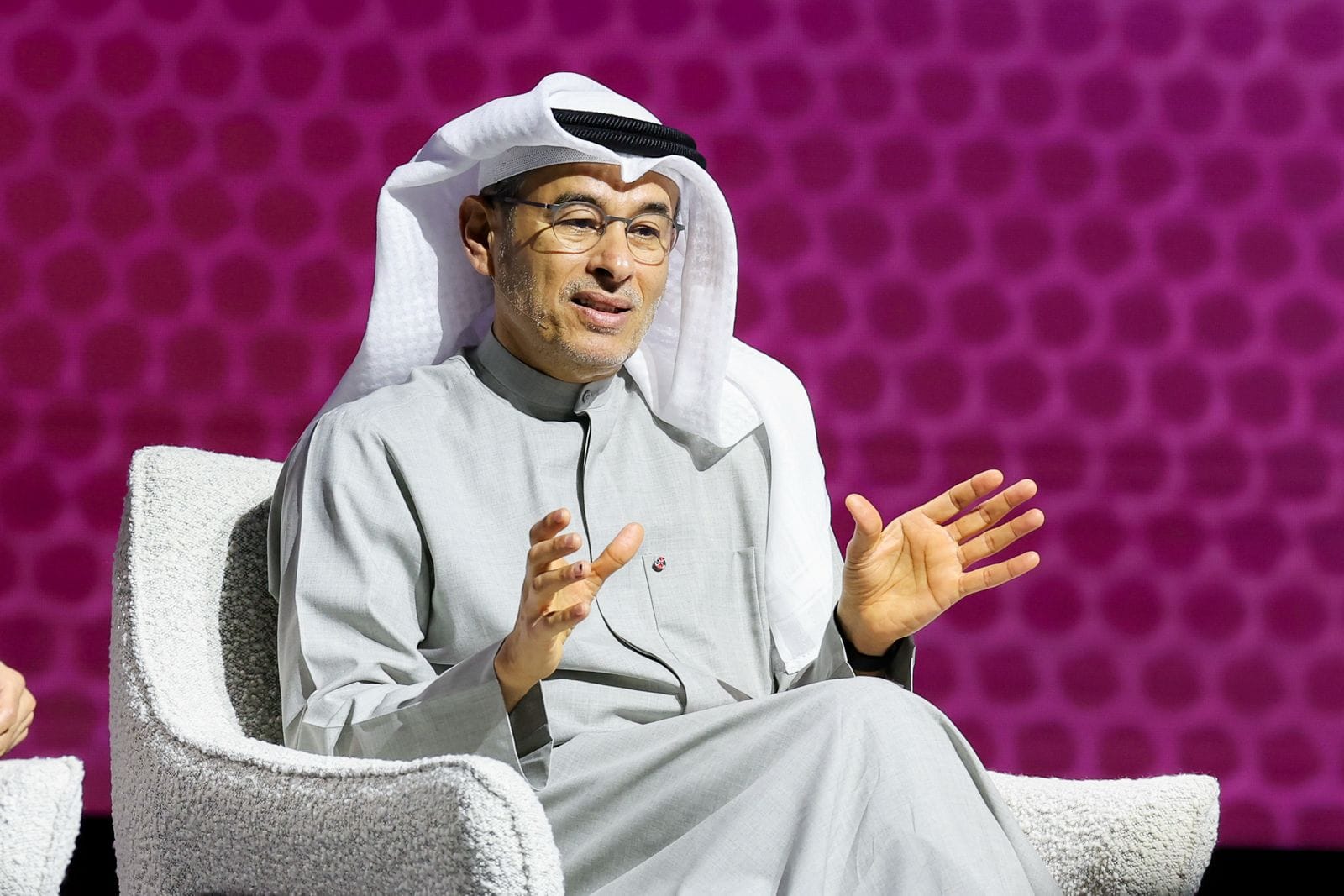
Emaar's Mohamed Alabbar reveals why he likes to hire Indians
•Abu Dhabi: Mohamed Alabbar, Founder and Managing Director of Emaar Properties, said he likes to hire Indians because of their work ethic, using the remark to make a wider point about hard work, discip...
•“I believe in hard work.”He said hard work is not only about long hours but also about studying every opportunity, knowing when to take risks, bringing the right people into the business, and closely...
•You need to study every opportunity and know where to take risks and bring people and monitor their work and keep pushing,” he said.Alabbar then linked that view to his preference for Indian talent in...
هذا الخبر من Gulf News. خبر يقدم أدوات ذكاء اصطناعي للتلخيص والترجمة والاستماع.
Abu Dhabi: Mohamed Alabbar, Founder and Managing Director of Emaar Properties, said he likes to hire Indians because of their work ethic, using the remark to make a wider point about hard work, discipline and the kind of business culture that helps companies survive repeated crises.
Get updated faster and for FREE: Download the Gulf News app now - simply click here.
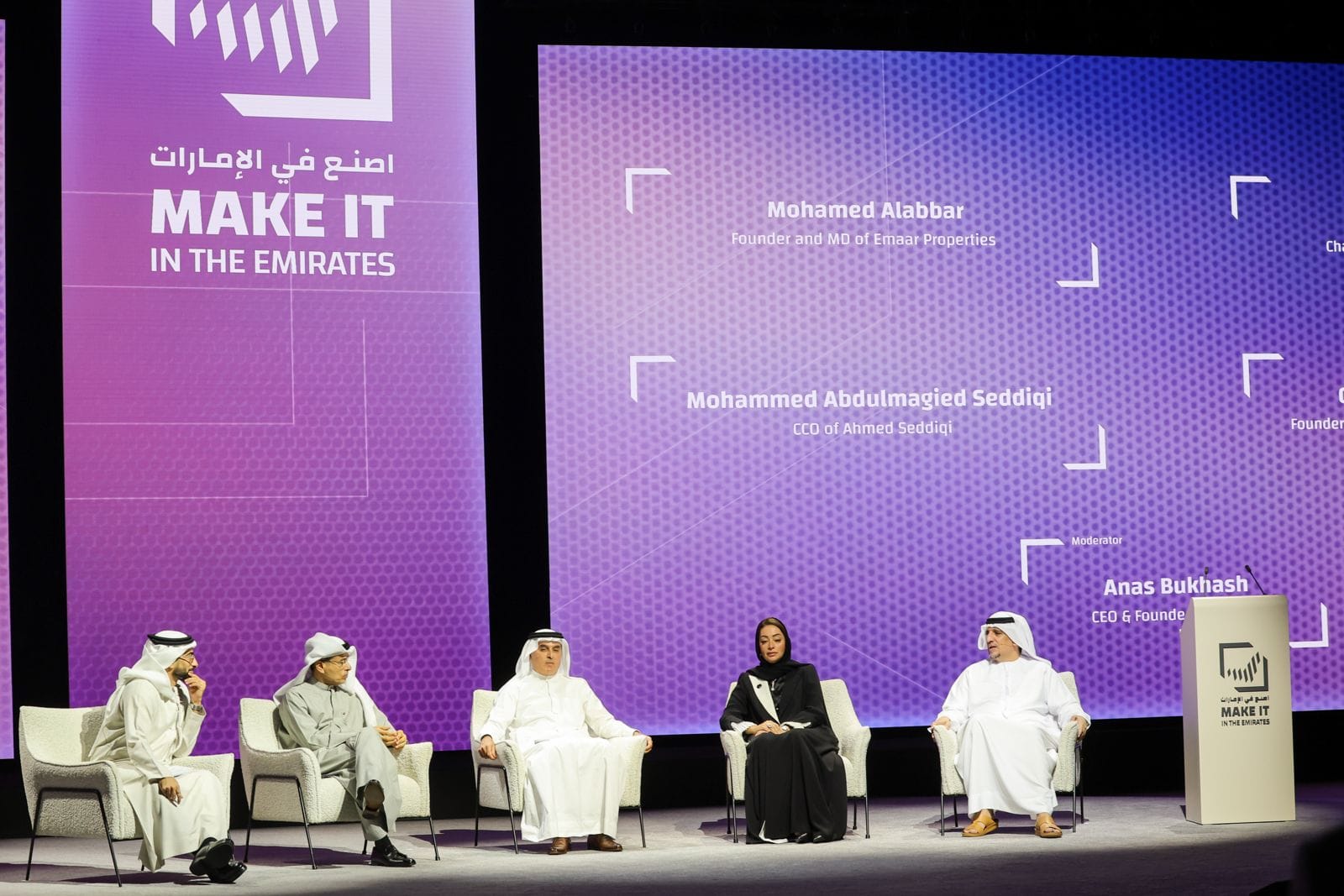
Speaking at the Make it in the Emirates summit in Abu Dhabi, Alabbar said companies that want to grow through disruption need teams that keep moving, keep checking their work and stay close to risk when conditions change.
“I always tell people, from my own perspective, my IQ is average, but my hard work is the best,” Alabbar said. “I believe in hard work.”
He said hard work is not only about long hours but also about studying every opportunity, knowing when to take risks, bringing the right people into the business, and closely monitoring execution.
“You need to check your work. You need to study every opportunity and know where to take risks and bring people and monitor their work and keep pushing,” he said.
Alabbar then linked that view to his preference for Indian talent in his businesses.
“The harder you work, the luckier you will get,” he said. “There’s a saying, hard work beats talent when talent fails to work hard, and this is why I like to hire Indians, because they answer the phone even at one o’clock in the morning.”
Crisis rewards prepared companies
Alabbar said the recent crisis was another reminder that companies cannot build resilience after disruption has already begun. Businesses, he said, need to learn from each shock and turn those lessons into operating discipline.
“What happened recently was not expected, and our country showed its steadfastness and the resilience of its planning under the directives of our leadership, so we managed to successfully survive,” he said.
He pointed to the 2008 financial crisis, the Covid pandemic and other periods of stress as moments that forced companies to rethink how they make decisions, protect staff and manage liquidity.
“There was hard lesson for everyone. We had some hard lessons during Covid pandemic as well as other crises,” Alabbar said.
The difference now, he suggested, is that many UAE businesses are more comfortable operating through uncertainty because they have already been through several cycles of disruption.
“When you learn from 2008 and from Covid, you have to build an agile and resilient business that can handle these circumstances,” he said.
Emaar moved early to reassure staff
Alabbar said one of Emaar’s first steps during the recent crisis was to reassure employees that the company would not cut jobs or salaries.
“In the first week, we sent emails to everyone, all the employees. We told them, we are not laying off any one of the workforce. We are not cutting their salaries,” he said.
The decision, he explained, came from lessons learned during previous crises and from the responsibility that businesses in the UAE feel toward employees, society and the country’s leadership.
“Everyone learned lessons from the previous crises and respectfully to everyone, whether in the government or family businesses, we know their human nature,” he said.
Alabbar said reputation becomes especially important during a crisis because companies are judged by how they treat people when pressure rises.
“We care about our reputation among the society in front of our leadership,” he said. “It’s important for us to always be up to this or to live up to these names and the name of our country.”
The case for positive paranoia
Alabbar said resilient companies need what he called a “positively paranoid” culture, where ambition is balanced with safeguards across costs, contractors, customers, technology and market risk.
“We are looking for profit, but also we are looking for growth,” he said. “In our country, our growth is accelerating.”
That growth, he added, has to be managed with discipline because companies cannot chase expansion without knowing where their pressure points are.
“You want to go fast, take the money from the table, but there is a process,” Alabbar said. “You have to manage cost, you have to manage technology, you have to manage risks. You have to follow the market on daily basis.”
The approach is especially important in property, where developers have to manage buyers, contractors, construction schedules and cash flows at the same time.
Alabbar said Emaar has around 40,000 customers who have paid for flats and villas that are still under construction, with monthly instalments flowing into the business. In contrast, around 100 construction sites continue to operate.
“Those customers, they pay installment on a monthly basis, and every month we get cash that flows to the bank,” he said.
Lessons from 1997
Alabbar said his crisis management approach was shaped by experience going back to 1997, when he was in Singapore during a difficult period for business.
“I started learning from 1997,” he said. “I remember situation was very difficult. We took a loan from the bank, and then the bankers said we need our money back.”
He said the pressure of that period showed how quickly liquidity can tighten when customers pull back, and banks demand repayment.
“The commodities, they are at the store, there is no customers,” he said.
That experience, he added, reinforced the need for organisations to learn from every crisis and build teams that can prepare the business for the next one.
“If the organisation cannot learn from what is happening, and I’m sure everyone is learning, but do we have staff that can learn from this and prepare the organisation? Yes,” he said.
ملاحظة تحريرية | Editorial Note:
نُشر هذا المقال في الأصل بواسطة Gulf News.
خبر (Khabr) هي منصة إعلامية أردنية مرخّصة تعمل بالذكاء الاصطناعي.
نضيف قيمة تحريرية من خلال: تحليل ذكي للأخبار، ملخصات تلقائية، رواية صوتية بالذكاء الاصطناعي، ترجمة متعددة اللغات، وتدقيق الحقائق.
هدفنا جعل الأخبار أكثر وضوحاً وسهولةً للقارئ العربي.
This article was originally published by Gulf News.
Khabr is a licensed Jordanian AI-powered news platform (Registration #82086).
We add editorial value through: AI-powered news analysis, automated summaries, AI audio narration, multi-language translation (Arabic, English, French, Turkish), and AI fact-checking.
Our mission is to make news more accessible and understandable for Arabic-speaking audiences worldwide.
هذا الخبر ضمن تغطية خبر لقسم اقتصاد.
نقدّم لك تحليلات ذكية وملخصات يومية لأهم الأخبار من مصادر موثوقة متعددة.
المصدر: Gulf News.
يوجد 6 مقالات مرتبطة بهذا الموضوع.
This article is part of Khabr's coverage of Economy.
We provide AI-powered analysis, summaries, and multi-source aggregation to keep you informed.
Source: Gulf News.
Tags: Emaar, business, employment.
🍪 نستخدم ملفات تعريف الارتباط لتحسين تجربتك وعرض الإعلانات المخصصة. باستخدامك للموقع، فإنك توافق على سياسة ملفات تعريف الارتباط وسياسة الخصوصية.
We use cookies to enhance your experience and show personalized ads. By using this site, you agree to our Cookie Policy and Privacy Policy.
🔍
FREEFree 1GB Internet + Free International Calls
$1 trial — eSIM in 190+ countries — No roaming charges