Casablanca – Forecast models are increasingly pointing to the possible return of El Niño in the second half of 2026, raising concerns about what that could mean for already fragile water conditions in Morocco.
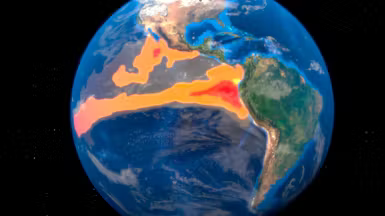
According to the latest update from the World Meteorological Organization, the tropical Pacific is currently in a neutral phase, but ocean temperatures are gradually warming. Several international forecasting centers now estimate a rising probability of El Niño developing between late summer and autumn.
Data from Copernicus Climate Change Service supports this trend, showing consistent warming patterns in the central and eastern Pacific, which are key indicators used to anticipate the phenomenon.
Scientists point to a combination of factors behind these projections. Subsurface ocean heat has been building for months, and atmospheric conditions are starting to align with patterns typically seen before an El Niño event. Some researchers also warn that, if it does form, it could reach higher intensity levels than average, partly due to the broader warming of global oceans linked to climate change.
For Morocco, the implications are closely tied to rainfall. El Niño does not directly “cause” drought, but it alters atmospheric circulation in ways that often reduce precipitation across North Africa. Historical data shows that several past El Niño episodes coincided with drier-than-normal winters in Morocco, affecting both rain-fed agriculture and water reserves.
Read also: Morocco Absent As World Bank Initiative Targets Global Water Crisis
This comes at a sensitive time. Morocco has gone through consecutive years of drought, leaving dam levels well below historical averages and exposing how dependent agriculture remains on seasonal rainfall. But the 2025-2026 season brought a noticeable rebound, with heavier rains helping refill several dams and offering temporary relief to farmers and water reserves.
That improvement has eased immediate pressure, but it has not fully reversed the structural deficit built up over years of dryness. Agriculture remains particularly exposed, and a weaker rainy season linked to El Niño would likely hit cereal production, livestock grazing, and rural incomes, while once again tightening pressure on groundwater and urban water supply systems.
Not every El Niño leads to severe dryness in Morocco, and local weather outcomes depend on how the phenomenon interacts with regional climate patterns over the Atlantic and Mediterranean. However, the probability of below-average rainfall tends to increase during El Niño years, which is why forecasters are watching closely.
Public authorities have accelerated investment in desalination plants and water infrastructure in recent years, aiming to reduce dependence on rainfall. These measures provide some buffer, but they do not fully offset the risks tied to another potentially dry winter.
Morocco World News is also on X — check out our latest posts now! Get MWN on iOS and Android for instant access to breaking news.
The post El Niño Could Return in 2026 and Renew Drought Risks for Morocco appeared first on Morocco World News.