Egypt's Sinai.ai raises $1.45 million pre-seed to build interactive AI-native books
•Egypt-based startup Sinai.ai has raised $1.45 million in a pre-seed round, led by KAUST Innovation Ventures and DisrupTech Ventures.
•The round included participation from Maza Ventures, YOUXEL Ventures, and angel investors.
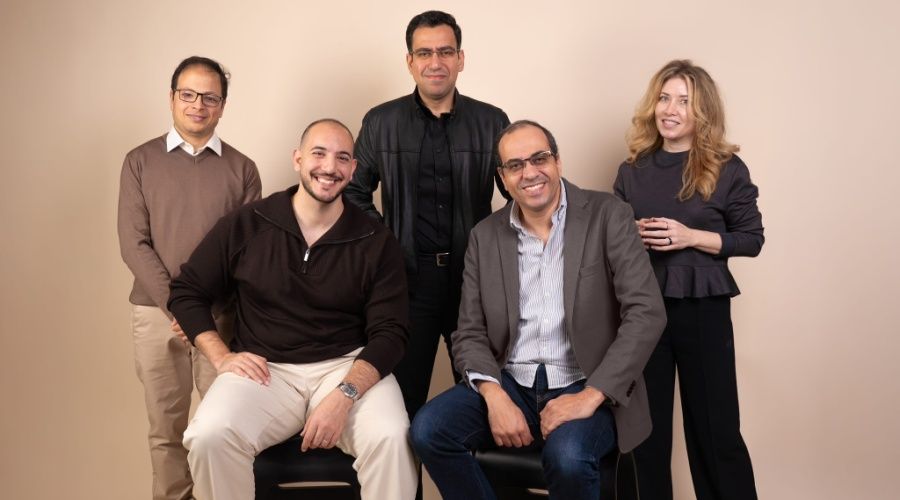
•Sinai.ai, founded in 2024 by Ahmed Kamel, Mohamed Elshamy, Mohamed Elshenawy, Hana Malhas, and Abdullah Moatasem, is building an AI-native book platform that transforms traditional content into intera...
هذا الخبر من ومضة. خبر يقدم أدوات ذكاء اصطناعي للتلخيص والترجمة والاستماع.
المصدر: ومضة | Source: ومضة
- Egypt-based startup Sinai.ai has raised $1.45 million in a pre-seed round, led by KAUST Innovation Ventures and DisrupTech Ventures.
- The round included participation from Maza Ventures, YOUXEL Ventures, and angel investors.
- Sinai.ai, founded in 2024 by Ahmed Kamel, Mohamed Elshamy, Mohamed Elshenawy, Hana Malhas, and Abdullah Moatasem, is building an AI-native book platform that transforms traditional content into interactive experiences.
- At its core is aiBookTM, a patented format that enables real-time interaction, personalised learning, and multimodal content consumption.
- The funding will support technology development, AI infrastructure, licensing, and user acquisition.
Press release:
Sinai.ai, the next-generation adaptive reading platform transforming books into dynamic, intelligent experiences, today announced the close of its $1.45M pre-seed funding round. The round was led by KAUST Innovation Ventures (KIV) and DisrupTech Ventures, with participation from Maza Ventures and YOUXEL Ventures, alongside a coalition of angel investors. The capital will fund proprietary tech, AI infrastructure, user acquisition, and licensing.
The global book market represents over $150 billion in value, yet the core format of books has remained largely unchanged for decades. Sinai.ai was founded on the conviction that this is about to change and that the transition must happen in partnership with the publishers and rights holders who built the industry, not at their expense.
At the heart of Sinai is the aiBook™, a trademarked, patent-backed book format that transforms traditional books into multimodal, hyper-personalised experiences. Unlike generic AI tools that hit copyright walls when engaging with published works, Sinai sources 100% licensed, full-text content directly from publishers and rights holders, allowing its AI to operate on complete books in a fully legal, fully compliant environment. Readers can converse with their book in real time, generate custom study guides and quizzes, access titles across multiple languages, switch between reading and listening, and visualize ideas and narratives as they explore. Sinai is launching with thousands of titles across its library, having already secured partnerships with double-digit publishers, including several prominent names in the industry.
For publishers, Sinai offers a partnership model designed to protect rights, grow revenue, and open new global markets, built on the belief that AI and the publishing industry should grow together.
"Sinai.ai, the next-generation adaptive reading platform transforming books into dynamic, intelligent experiences, today announced the close of its $1.45M pre-seed funding round. The round was led by KAUST Innovation Ventures (KIV) and DisrupTech Ventures, with participation from Maza Ventures and YOUXEL Ventures, alongside a coalition of angel investors. The capital will fund proprietary tech, AI infrastructure, user acquisition, and licensing," said Ahmed Kamel, Co-Founder & CEO, Sinai.ai
“We strongly believe that AI will fundamentally reshape a wide range of industries, and the book industry is long overdue for meaningful innovation. For over two decades, the core format of books has remained largely unchanged. What the Sinai.ai team is building introduces a truly new paradigm, transforming books into interactive, intelligent experiences where readers can engage, learn, and explore in entirely new ways.
We are particularly excited about the team and their ability to execute on a vision that sits at the intersection of content, technology, and user experience.
We are always proud to back Egyptian founders who are building category-defining companies and pushing the boundaries of innovation beyond local markets.”
— Mohamed Okasha, DisrupTech Ventures
“What drew me to Sinai.ai is that they’re approaching a huge, old industry with respect and clarity. Publishing has been around for centuries, and for good reason, but much of how it operates hasn’t evolved at the pace of technology. Instead of trying to break it, Sinai.ai is working alongside it, using AI to modernise how books are created, produced, and distributed.
That’s a harder path. It requires understanding the incentives of everyone involved and building something that fits into a real ecosystem, not just replacing it. But it’s also the more enduring one. The companies that last are often the ones that reshape industries from within, and Sinai.ai feels like it’s doing exactly that.”
— Tambi Jalouqa, Maza Ventures
ملاحظة تحريرية | Editorial Note: نُشر هذا المقال في الأصل بواسطة ومضة. خبر (Khabr) هي منصة إعلامية أردنية مرخّصة تعمل بالذكاء الاصطناعي. نضيف قيمة تحريرية من خلال: تحليل ذكي للأخبار، ملخصات تلقائية، رواية صوتية بالذكاء الاصطناعي، ترجمة متعددة اللغات، وتدقيق الحقائق. هدفنا جعل الأخبار أكثر وضوحاً وسهولةً للقارئ العربي.
This article was originally published by ومضة. Khabr is a licensed Jordanian AI-powered news platform (Registration #82086). We add editorial value through: AI-powered news analysis, automated summaries, AI audio narration, multi-language translation (Arabic, English, French, Turkish), and AI fact-checking. Our mission is to make news more accessible and understandable for Arabic-speaking audiences worldwide.