⚡ عاجل: كريستيانو رونالدو يُتوّج كأفضل لاعب كرة قدم في العالم●⚡ أخبار عاجلة تتابعونها لحظة بلحظة على خبر●⚡ تابعوا آخر المستجدات والأحداث من حول العالم●
AI اقتراحات ذكية
AI مباشر|--مشاهد مباشر
878,049مقال404مصدر نشط228قناة مباشرة4,588خبر اليوم
• Officials say ceasefire extension immediate priority, warring parties asked to extend truce by 45 days; Tehran favours Islamabad as venue for further talks • PM tells cabinet ceasefire under ‘strain’ but holding; efforts underway to ‘resolve a few hurdles’
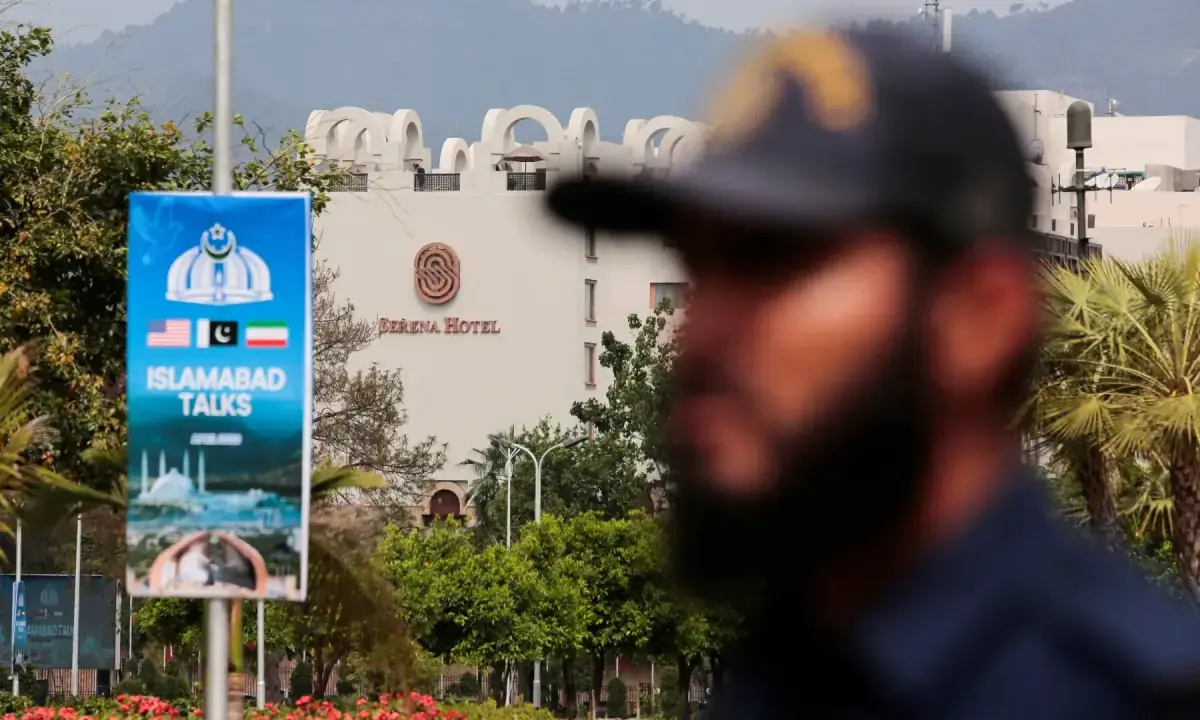
ISLAMABAD: Another round of Iran-United States dialogue was being actively pursued as Pakistan, regional capitals, and major powers have stepped up efforts to prevent the fragile process from sliding back into confrontation, diplomats said on Monday.
Officials familiar with the back-channel exchanges told Dawn that intermediaries were working to bring Tehran and Washington back to the negotiating table, with Pakistan at the centre of the efforts, backed by Turks and Egyptians. The immediate priority, they said, was to extend the ceasefire.
Prime Minister Shehbaz Sharif told a meeting of the federal cabinet that the truce, though under strain, was holding.
“In Islamabad, for 21 hours, direct talks were held. I am a witness to it. We worked day and night. Ceasefire is still there. There are a few hurdles, and efforts are underway to resolve them,” he said, adding that Pakistan’s leadership had worked tirelessly to make the negotiations possible.
He conveyed a similar message in his conversation with Japanese Prime Minister Sanae Takaichi, telling her that Pakistan would continue efforts to ensure that the ceasefire is maintained. The Japanese leader appreciated Islamabad’s role and expressed support for the peace process.
The ceasefire between the US and Iran, brokered on April 7 after weeks of conflict, is set to expire on April 22. While technically intact, it is increasingly precarious. The US has moved toward enforcing a naval blockade in the Strait of Hormuz, prompting a warning from Iran that such a move would be a violation of the ceasefire.
The Islamabad talks, which marked the highest engagement between the two sides since 1979, ended without an agreement, but also without a breakdown. Both delegations engaged through multiple formats, including direct sessions and expert-level discussions; however, the absence of an agreement has left what diplomats described as a narrow but real diplomatic window. At the core of the impasse were structural differences. The US sought long-term commitments on Iran’s nuclear programme, including constraints on enrichment and safeguards against weaponisation, alongside unrestricted navigation through the Strait of Hormuz.
Iran, for its part, insisted on recognition of its sovereign rights under international frameworks, particularly NPT, comprehensive sanctions relief, and credible guarantees before undertaking any irreversible steps.
Sequencing also remained one of the central obstacles at the talks. Washington viewed Iranian concessions as a prerequisite for broader settlement, while Tehran demanded that trust-building measures and guarantees should come first. This inversion kept both sides locked in a circular deadlock, according to diplomats.
The Strait of Hormuz has emerged as a particularly contentious point. The US delegation emphasised free and secure maritime passage, while Iran viewed control over the waterway as a core element of its post-war leverage. The naval build-up, following the Islamabad round, added urgency to diplomatic efforts, with concerns that any miscalculation at sea could quickly unravel the ceasefire.
Push for talks
Pakistan, after the end of the talks in Islamabad, moved swiftly to consolidate international support. Deputy Prime Minister and Foreign Minister Ishaq Dar held a series of calls with counterparts, including Britain’s Yvette Cooper, China’s Wang Yi, Turkiye’s Hakan Fidan, Saudi Arabia’s Prince Faisal bin Farhan and Egypt’s Badr Abdelatty. Across these engagements, Pakistan conveyed a consistent message that all parties to the conflict must uphold the ceasefire and that dialogue remains the only viable path forward. International partners responded positively.
In his conversation with Mr Dar, Wang Yi stressed that the priority was to prevent the conflict from reigniting and to maintain the momentum generated by the ceasefire, whom he described as fragile. He urged the international community to support dialogue and oppose actions that could escalate tensions.
Diplomatic sources said these engagements helped build a broad, if informal, coalition aimed at sustaining the process and buying time before the April 22 deadline. The objective was to secure either an extension of the ceasefire or a return to technical-level engagement that could prepare the ground for a second political round. Since the Islamabad talks, the intermediaries have helped exchange messages between the US and Iran on the outstanding issues, hoping to convince both sides to extend the truce by at least 45 days.
Both sides agreed to continue negotiations, but differences on the agenda, objectives, format and venue for the next round persisted. A diplomatic source said Iran preferred Islamabad, citing proximity, familiarity and its comfort with Pakistan’s role as mediator.
The US side, however, was understood to be considering alternative options, reflecting a different assessment of the negotiating environment, logistical preferences and security considerations. Despite this divergence, venue was unlikely to be a deal breaker if substantive movement was achieved on key issues.
The broader regional context weighed heavily on the process. The ceasefire, in its current form, contrary to expectations, did not fully cover all theatres, particularly Lebanon. While hostilities have moderated, the Lebanese front continues to influence Iranian calculations.
ملاحظة تحريرية | Editorial Note:
نُشر هذا المقال في الأصل بواسطة Dawn.
خبر (Khabr) هي منصة إعلامية أردنية مرخّصة تعمل بالذكاء الاصطناعي.
نضيف قيمة تحريرية من خلال: تحليل ذكي للأخبار، ملخصات تلقائية، رواية صوتية بالذكاء الاصطناعي، ترجمة متعددة اللغات، وتدقيق الحقائق.
هدفنا جعل الأخبار أكثر وضوحاً وسهولةً للقارئ العربي.
This article was originally published by Dawn.
Khabr is a licensed Jordanian AI-powered news platform (Registration #82086).
We add editorial value through: AI-powered news analysis, automated summaries, AI audio narration, multi-language translation (Arabic, English, French, Turkish), and AI fact-checking.
Our mission is to make news more accessible and understandable for Arabic-speaking audiences worldwide.
هذا الخبر ضمن تغطية خبر لقسم سياسة.
نقدّم لك تحليلات ذكية وملخصات يومية لأهم الأخبار من مصادر موثوقة متعددة.
المصدر: Dawn.
يوجد 6 مقالات مرتبطة بهذا الموضوع.
This article is part of Khabr's coverage of Politics.
We provide AI-powered analysis, summaries, and multi-source aggregation to keep you informed.
Source: Dawn.
Tags: US, Iran, talks, diplomacy.
🍪 نستخدم ملفات تعريف الارتباط لتحسين تجربتك وعرض الإعلانات المخصصة. باستخدامك للموقع، فإنك توافق على سياسة ملفات تعريف الارتباط وسياسة الخصوصية.
We use cookies to enhance your experience and show personalized ads. By using this site, you agree to our Cookie Policy and Privacy Policy.
FREEFree 1GB Internet + Free International Calls
$1 trial — eSIM in 190+ countries — No roaming charges