Dubai gold rises, but still sits Dh33 below April peak
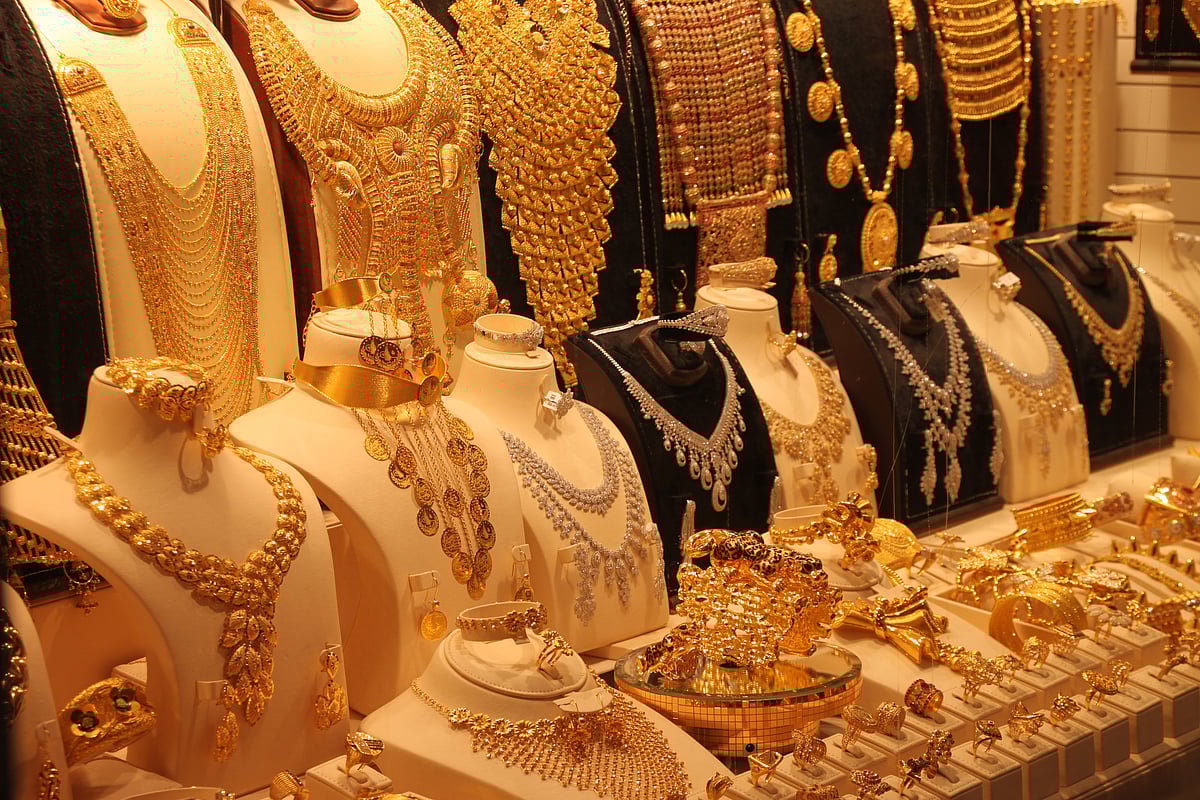
•Dubai: Gold prices in Dubai moved higher on Wednesday morning, giving jewellery buyers and investors a small pause after a steep retreat from April’s peak levels.
•(Check latest UAE gold prices , alongside prices in , , , , , and .)Sign up for our daily business newsletter, Cheques & Balances.At 9.30 am, 24K gold stood at Dh554...
•The increase came after a two-day slide that pulled local rates to their lowest levels in nearly four weeks.Get updated faster and for FREE: Download the Gulf News app now - simply click here.The late...
هذا الخبر من Gulf News. خبر يقدم أدوات ذكاء اصطناعي للتلخيص والترجمة والاستماع.
المصدر: Gulf News | Source: Gulf NewsDubai: Gold prices in Dubai moved higher on Wednesday morning, giving jewellery buyers and investors a small pause after a steep retreat from April’s peak levels. (Check latest UAE gold prices , alongside prices in , , , , , and .)
Sign up for our daily business newsletter, Cheques & Balances.At 9.30 am, 24K gold stood at Dh554.75 per gram, up from Dh551.75 on Tuesday, while 22K rose to Dh513.75 from Dh510.75. The increase came after a two-day slide that pulled local rates to their lowest levels in nearly four weeks.
Get updated faster and for FREE: Download the Gulf News app now - simply click here.The latest move matters because April has been a volatile month for buyers. The 24K rate started the month at Dh573, eased to Dh563 in the first week, then climbed again as global risk appetite weakened. The rally gathered pace in mid-April, with 24K touching Dh588 on April 17, the highest level recorded during the month. Since then, prices have lost Dh33.25 per gram from that peak, despite Wednesday’s rebound.
The 22K rate followed the same path, rising to Dh544.50 on April 17 before falling to Dh513.75 by Wednesday morning. That leaves 22K lower by Dh30.75 from its mid-month high, a movement that could influence buyers waiting for a more reasonable entry point ahead of major purchases.
Buyers get a narrow window
Gold’s pullback from the April high has improved affordability compared with two weeks ago, although prices remain elevated by historical standards. A buyer purchasing 20 grams of 22K jewellery would now pay about Dh615 less than they would have at the April 17 peak.
Wednesday’s modest increase suggests the correction may not move in a straight line, but current levels still offer some relief from the month’s highs.
Retail demand is likely to remain price-sensitive in the coming days. Buyers who delayed purchases during the mid-April surge may return if prices hold near current levels, while investors are expected to remain cautious until there is more clarity on global rates and geopolitical risks.
Global risks keep gold supported
The local movement reflected steadier global bullion prices after two sessions of losses. Gold traded near $4,590 an ounce after falling 2.4% over the previous two sessions to its lowest level in almost four weeks.
Investor attention remains fixed on talks between the US and Iran, with the indefinite closure of the Strait of Hormuz continuing to feed inflation concerns. The conflict has disrupted energy supplies and pushed crude prices higher, raising the risk that transport, shipping and production costs could stay elevated.
President Donald Trump said Iran had asked the US to lift a naval blockade of Hormuz while both sides negotiate an end to the two-month war. Mediators in Pakistan expect Tehran to submit a revised proposal in the next few days, according to CNN.
The Strait of Hormuz remains central to market sentiment because any disruption to energy flows can quickly feed into inflation expectations. That matters for gold because the metal usually benefits from geopolitical stress, but it can struggle when inflation fears push bond yields higher and increase the cost of holding a non-yielding asset.
Rate decisions may set next direction
Markets will also look closely at comments from Fed Chair Jerome Powell, particularly for signals on whether policymakers are becoming more concerned about inflation linked to energy costs. Any suggestion that rates may stay elevated for longer could limit gold’s recovery, even if geopolitical risks remain high.
The Bank of Japan kept its benchmark rate unchanged at 0.75% on Tuesday, although a split vote increased expectations of a possible hike in June. That added another layer of caution across global markets, where investors are already weighing the impact of higher energy prices on inflation.
Gold has fallen about 13% since the conflict began at the end of February, even as crude oil has climbed. That divergence shows how the market is balancing safe-haven demand against the pressure from higher yields and tighter financial conditions.
- With inputs from Bloomberg.
ملاحظة تحريرية | Editorial Note: نُشر هذا المقال في الأصل بواسطة Gulf News. خبر (Khabr) هي منصة إعلامية أردنية مرخّصة تعمل بالذكاء الاصطناعي. نضيف قيمة تحريرية من خلال: تحليل ذكي للأخبار، ملخصات تلقائية، رواية صوتية بالذكاء الاصطناعي، ترجمة متعددة اللغات، وتدقيق الحقائق. هدفنا جعل الأخبار أكثر وضوحاً وسهولةً للقارئ العربي.
This article was originally published by Gulf News. Khabr is a licensed Jordanian AI-powered news platform (Registration #82086). We add editorial value through: AI-powered news analysis, automated summaries, AI audio narration, multi-language translation (Arabic, English, French, Turkish), and AI fact-checking. Our mission is to make news more accessible and understandable for Arabic-speaking audiences worldwide.