⚡ عاجل: كريستيانو رونالدو يُتوّج كأفضل لاعب كرة قدم في العالم●⚡ أخبار عاجلة تتابعونها لحظة بلحظة على خبر●⚡ تابعوا آخر المستجدات والأحداث من حول العالم●
AI اقتراحات ذكية
AI مباشر|--مشاهد مباشر
919,192مقال401مصدر نشط228قناة مباشرة3,817خبر اليوم
آخر تحديث:منذ 4 ثواني
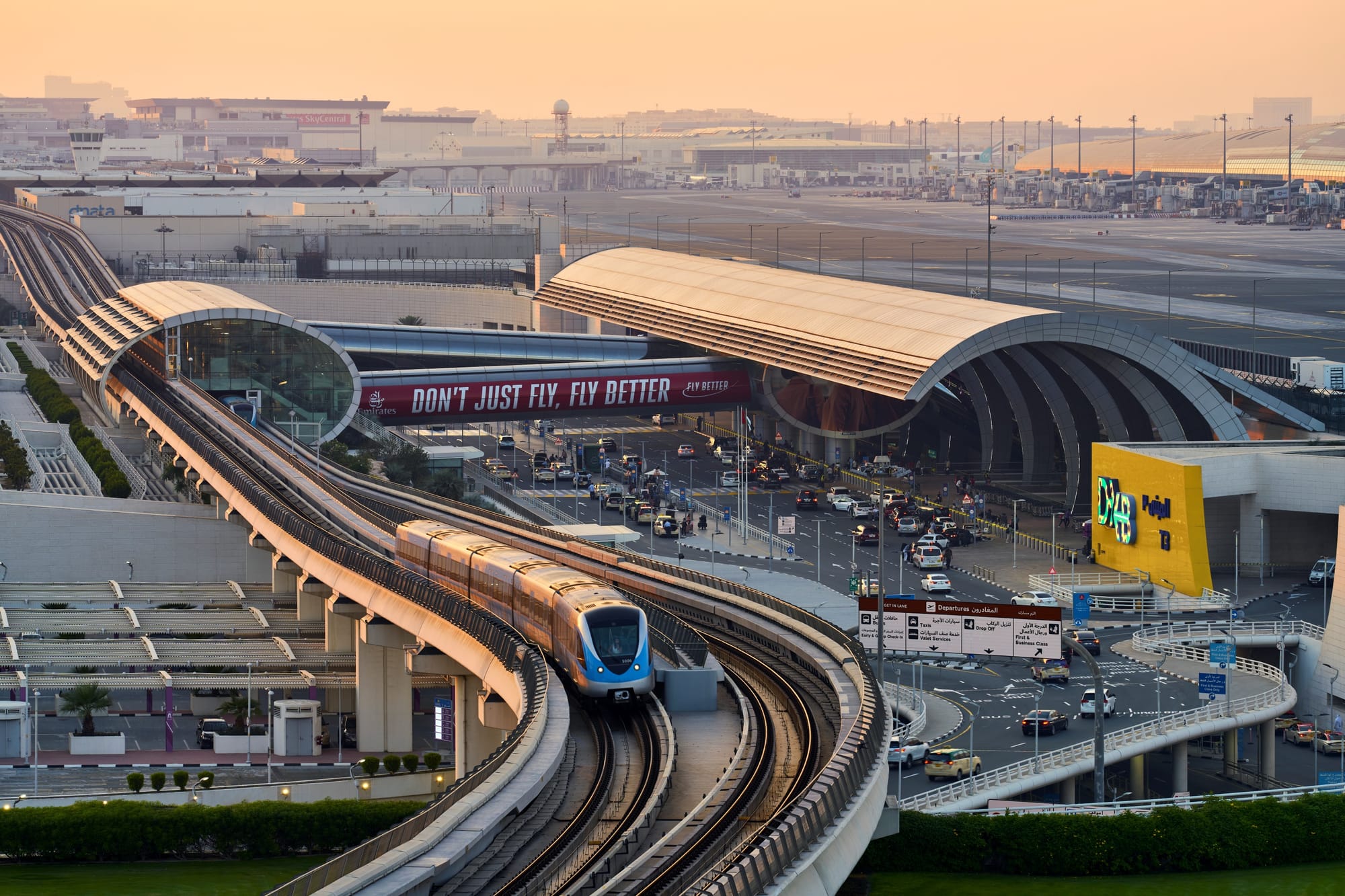
Dubai Airports CEO reveals inside story of DXB operations amid war
•Dubai: Dubai International Airport continued operating through weeks of regional conflict, managing more than 100 missile alerts while keeping passengers moving and services largely intact, its chief...
•"So, we took a lot of precautions to make absolutely sure we could keep our customers and our staff safe and secure.
•And fortunately, those measures proved very successful," he added.
هذا الخبر من Gulf News. خبر يقدم أدوات ذكاء اصطناعي للتلخيص والترجمة والاستماع.
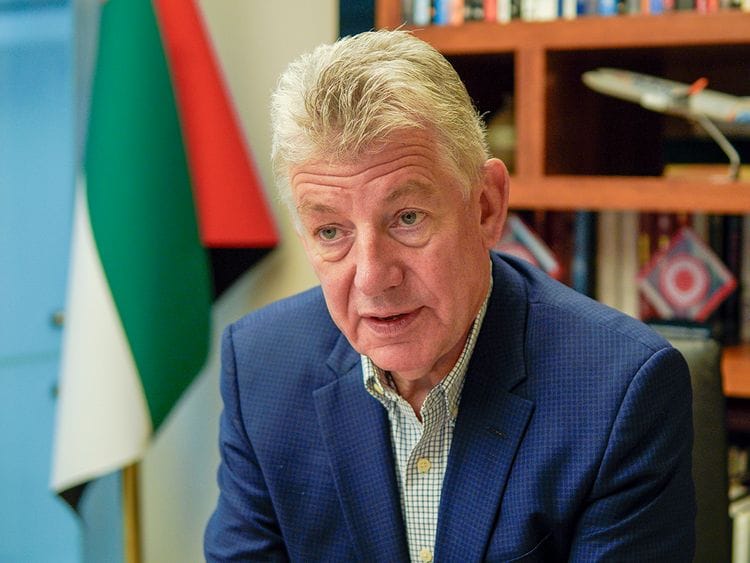
"We did believe earlier in the conflict that military targets would be the priority, but when we started to see other airports in the region in conflict, we believed, obviously, that this is likely to happen to us," explained Griffiths. "So, we took a lot of precautions to make absolutely sure we could keep our customers and our staff safe and secure. And fortunately, those measures proved very successful," he added.
“We actually had 114 different missile alerts during the entire conflict period. That’s about three a day, and the intelligence we received from the military and from the government was absolutely fantastic,” he said.
Despite the scale of the threat, Griffiths said safety procedures were quickly put in place and refined in real time. “We were able to put people in positions of safety very quickly… we got very, very slick and organised in being able to take remedial action to ensure that people were escorted very quickly to positions of safety, and that was our priority.”
Griffiths comments follow after Dubai Airports unveiled its first-quarter passenger traffic numbers. DXB welcomed 18.6 million travellers Q1 2026, down 20.6 per cent year on year. The airport had served 95.2 million passengers last year.
"I think overall, we can expect very strong growth in the aviation sector and a recovery towards normal operations, hopefully in the short to medium term," said Griffiths.
The world’s busiest hub had come under attack multiple times by Iran during the US-Israel-Iran war, including a drone attack on a fuel tank which ignited a fire and caused temporary flight disruptions.
Explaining the mechanics behind the restricted operations, Griffiths said flights had to be funnelled through a much narrower route than usual, creating a major bottleneck in regional airspace.
“We worked very closely with the GCAA and the neighboring flight information regions, particularly Muscat… so we had to devise a an alternative into Muscat airspace that has limited capacity,” he said.
In simple terms, aircraft that would normally be spread across multiple flight paths were instead channelled through a single corridor.
“All the flights in the region… had to go through one airspace corridor. That's why the limitation of those 541 movements which we had for most of April at DXB was so significant.”
From there, flights were rerouted either east towards Asia and Australasia or west via Saudi Arabia into Europe, often adding to journey times. “Some of those flight times were extended, of course, and it was the restriction on capacity that was the biggest problem to overcome.”
With more routes now reopening, the pressure is easing.
“Now that's been released, and we've got many more routes open to us, hopefully our customers will see minimal delay and normal resumption of services.”
Operations continued
What makes DXB’s experience unusual is that operations did not shut down. While many airports globally would suspend or severely curtail services under similar circumstances, Dubai kept flights running — although with constraints.
Griffiths said maintaining operations was critical to reassuring travellers.
“Everyone knew that their absolute priority, apart from safety and security, was to make sure that operations at the airport continued to be as normal as they could possibly be, because we needed to reassure our customers.”
Feedback from passengers, he added, was “pretty universally positive, and it seems as though we’ve managed that without, you know, putting any lives at risk.” Thousands of passengers took to social media to share their experiences flying through DXB during wartime.
‘Masterpiece’ of coordination
Griffiths credited the response to close coordination across the aviation ecosystem — from airlines and airport staff to government and emergency services.
“I have to pay tribute… to all of the aviation community… who together have pulled amazingly unity of action in being able to deal with the crisis.”
He added that the broader response across the UAE stood out.
“It was an absolute masterpiece for coordination.”
Lessons from unprecedented crisis
With no existing playbook for such a scenario, the airport had to adapt quickly. “Clearly, we didn't have any procedures in place because none of this was precedented in any way, but I think we've emerged from this very strongly.”
One key lesson, Griffiths said, was the importance of empowering decision-makers and maintaining clear communication.
“Always entrust those people that are best equipped… with the decision making authority that they need.”
He also highlighted the role of leadership visibility and staff morale.
“Communicating effectively with the staff, reassuring customers and staff that everything was going to be okay… displaying leadership, being consistent, being visible.”
Get updated faster and for FREE: Download the Gulf News app now - simply click here.
Strong recovery outlook
As airspace restrictions ease, DXB is now scaling up operations and preparing for a rebound in demand.
The airport’s central role in global transit — particularly connecting passengers between Europe, Asia and beyond — means recovery is expected to be swift once capacity fully returns.
Griffiths expressed confidence in the months ahead, and a pick up in travel activity in Q3 of this year. “I think we've emerged from this very strongly, very assured that we're going to have a very positive recovery.”
ملاحظة تحريرية | Editorial Note:
نُشر هذا المقال في الأصل بواسطة Gulf News.
خبر (Khabr) هي منصة إعلامية أردنية مرخّصة تعمل بالذكاء الاصطناعي.
نضيف قيمة تحريرية من خلال: تحليل ذكي للأخبار، ملخصات تلقائية، رواية صوتية بالذكاء الاصطناعي، ترجمة متعددة اللغات، وتدقيق الحقائق.
هدفنا جعل الأخبار أكثر وضوحاً وسهولةً للقارئ العربي.
This article was originally published by Gulf News.
Khabr is a licensed Jordanian AI-powered news platform (Registration #82086).
We add editorial value through: AI-powered news analysis, automated summaries, AI audio narration, multi-language translation (Arabic, English, French, Turkish), and AI fact-checking.
Our mission is to make news more accessible and understandable for Arabic-speaking audiences worldwide.
هذا الخبر ضمن تغطية خبر لقسم تكنولوجيا.
نقدّم لك تحليلات ذكية وملخصات يومية لأهم الأخبار من مصادر موثوقة متعددة.
المصدر: Gulf News.
يوجد 6 مقالات مرتبطة بهذا الموضوع.
This article is part of Khabr's coverage of Technology.
We provide AI-powered analysis, summaries, and multi-source aggregation to keep you informed.
Source: Gulf News.
Tags: Dubai Airports, operations, war impact.
🍪 نستخدم ملفات تعريف الارتباط لتحسين تجربتك وعرض الإعلانات المخصصة. باستخدامك للموقع، فإنك توافق على سياسة ملفات تعريف الارتباط وسياسة الخصوصية.
We use cookies to enhance your experience and show personalized ads. By using this site, you agree to our Cookie Policy and Privacy Policy.
🔍
FREEFree 1GB Internet + Free International Calls
$1 trial — eSIM in 190+ countries — No roaming charges