China Blocks $2 Billion Meta Deal in AISector
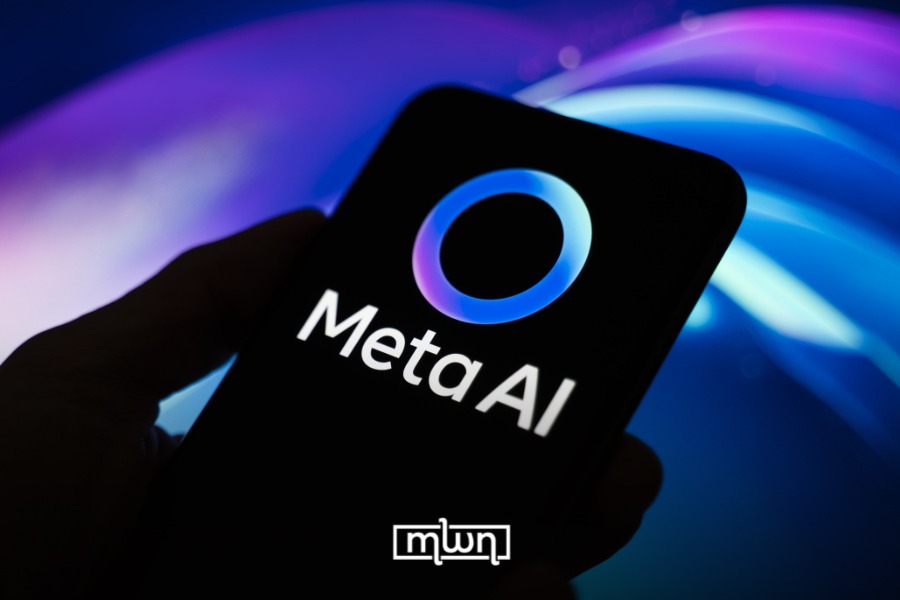
•Fez – China has blocked a planned $2 billion acquisition by Meta of the artificial intelligence startup Manus, with the move reflecting growing tensions between the U.S.
•and China over control of advanced technology.
•According to Al Jazeera, Chinese regulators informed parties involved in the deal that it had been cancelled following a review into possible violations of investment rules.
هذا الخبر من Morocco World News. خبر يقدم أدوات ذكاء اصطناعي للتلخيص والترجمة والاستماع.
المصدر: Morocco World News | Source: Morocco World NewsFez – China has blocked a planned $2 billion acquisition by Meta of the artificial intelligence startup Manus, with the move reflecting growing tensions between the U.S. and China over control of advanced technology.
According to Al Jazeera, Chinese regulators informed parties involved in the deal that it had been cancelled following a review into possible violations of investment rules.
Authorities later confirmed that foreign investment in Manus would be prohibited.
The decision comes as competition intensifies between the world’s two largest economies, where artificial intelligence has become a key strategic sector.
Meta, which owns major platforms such as Facebook and Instagram, has been seeking to strengthen its position in AI amid fierce global rivalry.
Further complicated by the fact that Meta had already integrated parts of Manus’ technology into some of its tools.
Manus, originally founded in China, relocated its headquarters and core team to Singapore last year after securing funding from US investors.
The acquisition had been under close scrutiny by several Chinese regulatory bodies.
As part of the review process, two of the company’s co-founders were reportedly restricted from leaving China until the investigation was completed, which ultimately led to the deal’s rejection.
The move comes ahead of an expected meeting between Donald Trump and Xi Jinping in Beijing next month, where trade and technology issues are likely to be high on the agenda.
In parallel, China is tightening its broader policy on foreign investment in technology.
Chinese authorities are preparing new rules that would require government approval before domestic tech companies, especially in AI, can accept US funding.
Several startups have already received such instructions, while similar restrictions are expected to apply to major firms including ByteDance, the owner of TikTok.
The company may face limits on selling shares to US investors without official approval.
These measures are largely driven by national security concerns.
Chinese regulators aim to prevent sensitive technologies from falling under foreign influence, especially in fields such as artificial intelligence, semiconductors, and quantum computing.
For years, US capital played a central role in the growth of China’s technology sector, with major investment firms supporting expansion and innovation.
At the same time, global companies like Apple, Microsoft, and Tesla have maintained strong operational ties with China.
However, the current trend shows a clear shift.
Both Washington and Beijing are imposing tighter controls on technology investment, signaling a deeper economic and strategic divide that is likely to shape the future of the global tech industry.
The post China Blocks $2 Billion Meta Deal in AISector appeared first on Morocco World News.
ملاحظة تحريرية | Editorial Note: نُشر هذا المقال في الأصل بواسطة Morocco World News. خبر (Khabr) هي منصة إعلامية أردنية مرخّصة تعمل بالذكاء الاصطناعي. نضيف قيمة تحريرية من خلال: تحليل ذكي للأخبار، ملخصات تلقائية، رواية صوتية بالذكاء الاصطناعي، ترجمة متعددة اللغات، وتدقيق الحقائق. هدفنا جعل الأخبار أكثر وضوحاً وسهولةً للقارئ العربي.
This article was originally published by Morocco World News. Khabr is a licensed Jordanian AI-powered news platform (Registration #82086). We add editorial value through: AI-powered news analysis, automated summaries, AI audio narration, multi-language translation (Arabic, English, French, Turkish), and AI fact-checking. Our mission is to make news more accessible and understandable for Arabic-speaking audiences worldwide.