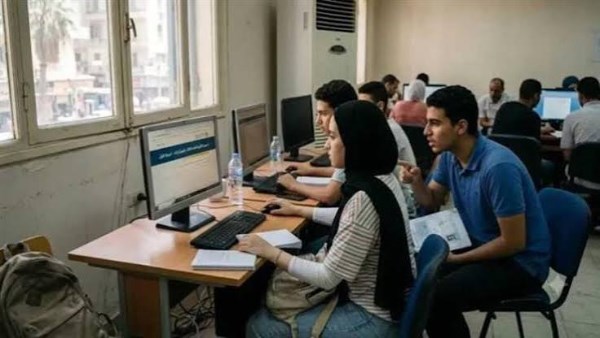
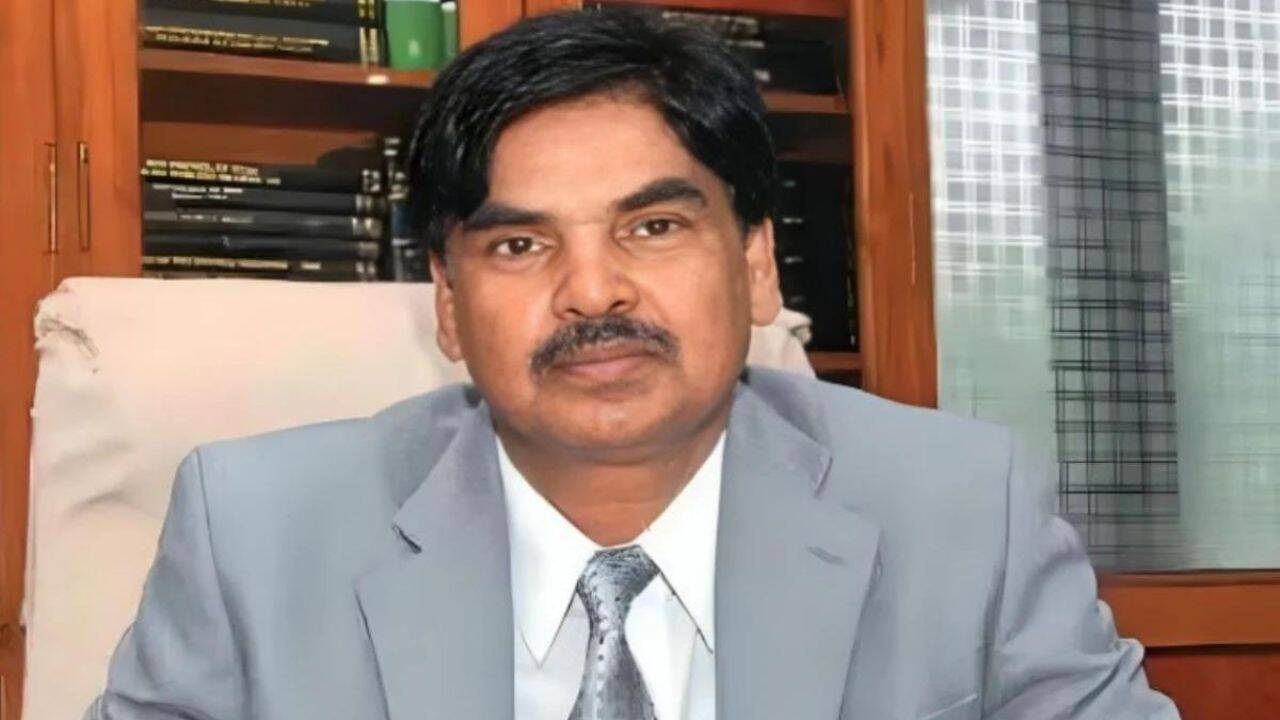
E-PaperSubscribeSubscribeEnjoy unlimited accessSubscribe Now! Get features like The Central Board of Secondary Education (CBSE) has introduced a structured curriculum on Computational Thinking (CT) and Artificial Intelligence (AI) for Classes 3 to 8, aimed at building AI-readiness among students from an early age. Representational image.Launched by Union education minister Dharmendra Pradhan at Vigyan Bhawan in New Delhi on Wednesday, the curriculum recommends 50 hours annually for Classes 3 to 5 and 100 hours for Classes 6 to 8, ensuring a gradual and age-appropriate progression for a phased integration of CT and AI concepts into school education. For Classes 3 to 5, CT will be embedded within existing subjects such as environmental studies—through The World Around Us (TWAU) textbook—and mathematics. Students will learn foundational skills like logical thinking, pattern recognition, and sequencing through puzzles, games, and exercises. Each class will be supported by a resource book aligned chapter-wise with textbooks, enabling teachers to integrate CT seamlessly into classroom teaching. Assessments will be linked to core subjects to ensure alignment with pedagogy. For Classes 6 to 8, the curriculum expands to include advanced CT skills, introductory AI concepts, and interdisciplinary projects. Of the total 100 hours annually, 40 hours are allocated to advanced CT, 20 hours to AI fundamentals, and the remaining 40 hours to project-based learning. Students will apply CT to complex problems, gain exposure to AI tools, and understand real-world applications of AI. The curriculum also introduces critical themes such as digital footprints, bias, privacy, and fairness to foster responsible digital citizenship. Interdisciplinary projects will integrate subjects like mathematics, science, social studies, and English, encouraging students to design creative, data-driven solutions to real-world problems. Assessment for these classes will focus on project presentations, assignments, reflective journals, and tasks, supported by clear evaluation rubrics to ensure consistency. Developed by a 10-member expert committee led by Dr Karthik Raman of Indian Institute of Technology (IIT) Madras, the panel included experts from institutions such as Azim Premji University, Bengaluru and Dhirubhai Ambani University, Gandhinagar, among others. “The committee held nine meetings over three months and consulted NCERT officials, technology experts, principals, and computer teachers of CBSE-affiliated schools,” said CBSE chairman Rahul Singh. The curriculum will be implemented in over 32,900 CBSE-affiliated schools from the 2026–27 academic session. Pradhan described it as a “transformative step” toward future-ready learning, backed by structured modules, teacher handbooks, and assessment frameworks. “With India’s leadership in technology-driven computing gaining global recognition, the curriculum would empower students to meaningfully engage with and shape the digital future,” he said. School education secretary Sanjay Kumar said the initiative places India among countries like China, South Korea, Finland, Estonia, and Singapore that have introduced AI education in schools, adding that “efforts will be made to translate the curriculum into regional languages for wider adoption in all states and UTs across the country.”
المصدر: Hindustan Times
| Source: Hindustan Times
ملاحظة تحريرية | Editorial Note:
نُشر هذا المقال في الأصل بواسطة Hindustan Times.
خبر (Khabr) هي منصة إعلامية أردنية مرخّصة تعمل بالذكاء الاصطناعي.
نضيف قيمة تحريرية من خلال: تحليل ذكي للأخبار، ملخصات تلقائية، رواية صوتية بالذكاء الاصطناعي، ترجمة متعددة اللغات، وتدقيق الحقائق.
هدفنا جعل الأخبار أكثر وضوحاً وسهولةً للقارئ العربي.
This article was originally published by Hindustan Times.
Khabr is a licensed Jordanian AI-powered news platform (Registration #82086).
We add editorial value through: AI-powered news analysis, automated summaries, AI audio narration, multi-language translation (Arabic, English, French, Turkish), and AI fact-checking.
Our mission is to make news more accessible and understandable for Arabic-speaking audiences worldwide.