⚡ عاجل: كريستيانو رونالدو يُتوّج كأفضل لاعب كرة قدم في العالم●⚡ أخبار عاجلة تتابعونها لحظة بلحظة على خبر●⚡ تابعوا آخر المستجدات والأحداث من حول العالم●
AI اقتراحات ذكية
AI مباشر|--مشاهد مباشر
889,491مقال401مصدر نشط228قناة مباشرة4,398خبر اليوم
آخر تحديث:منذ 4 ثواني
Burj Al Arab restoration explained: Why Dubai’s icon needs an 18-month closure
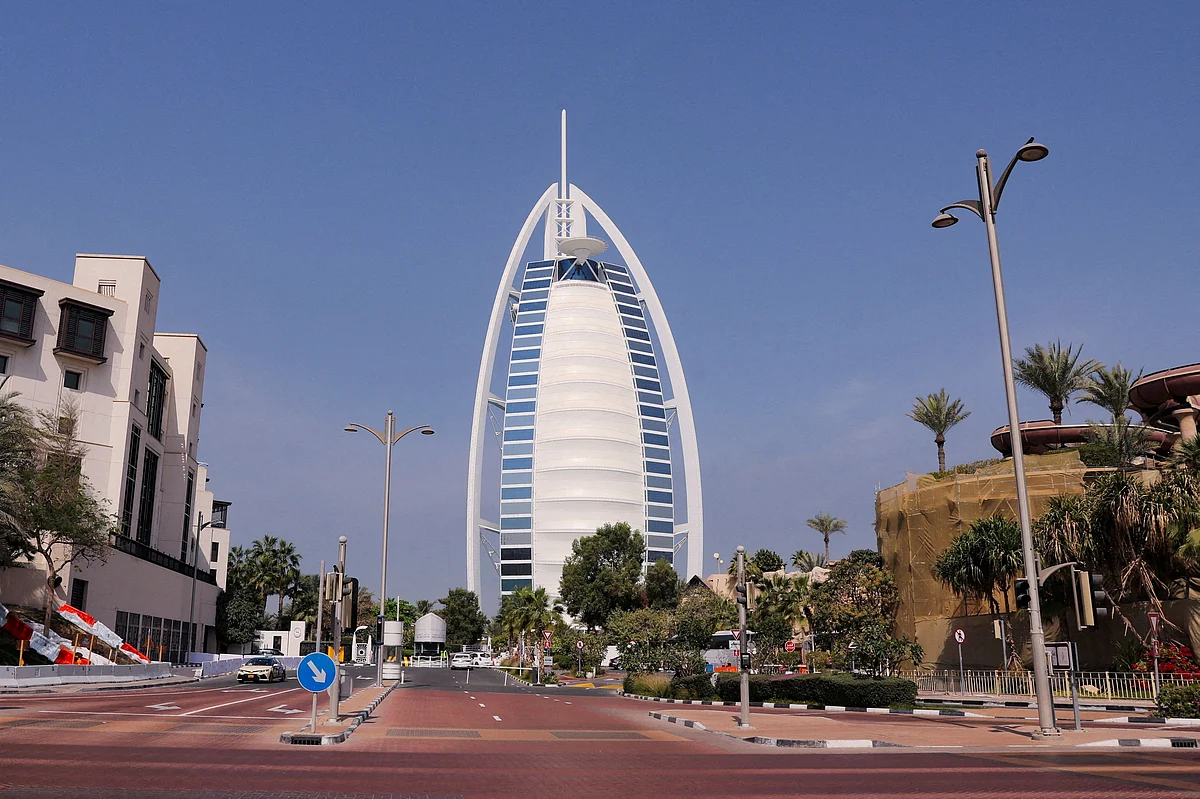
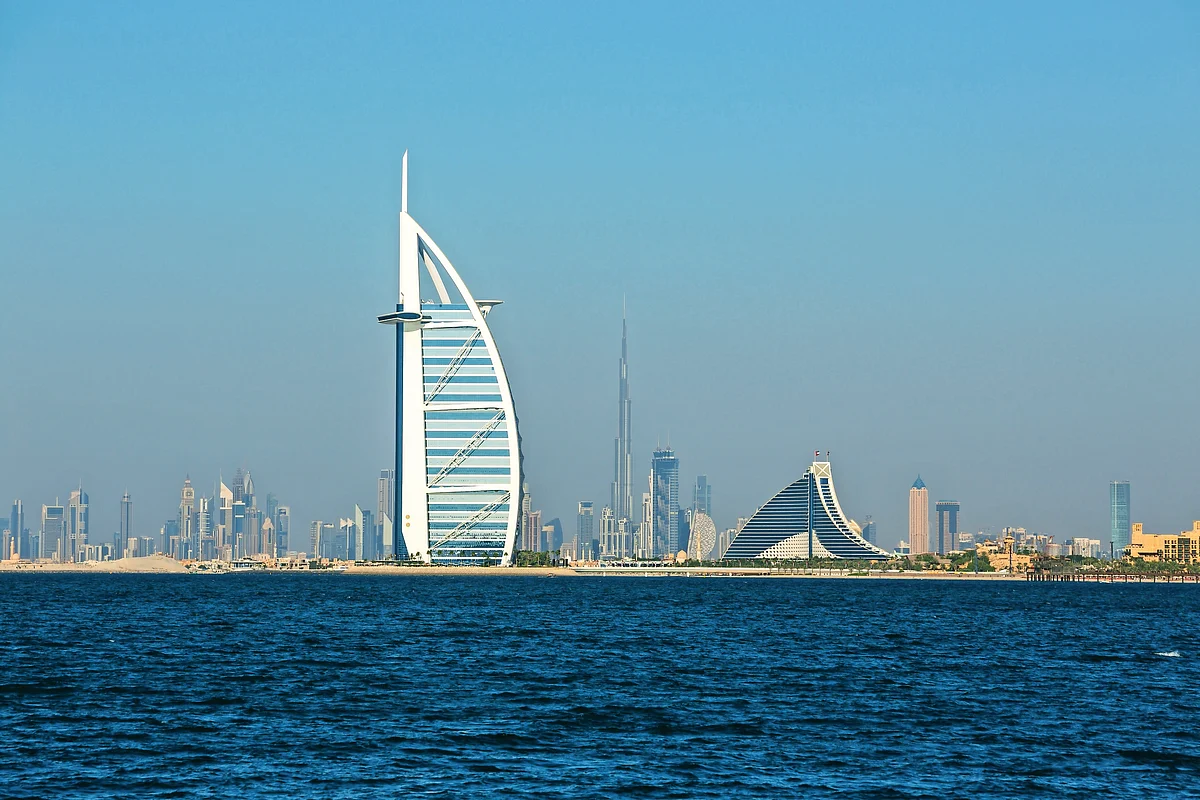
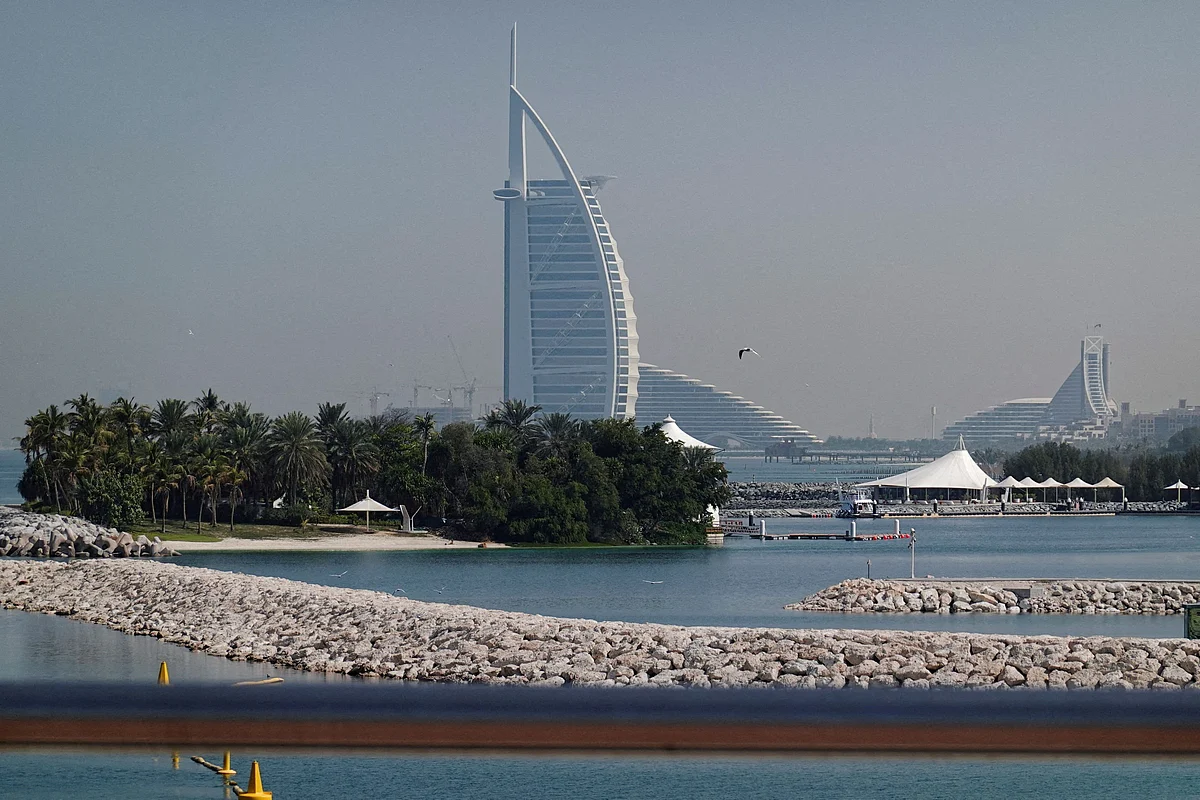
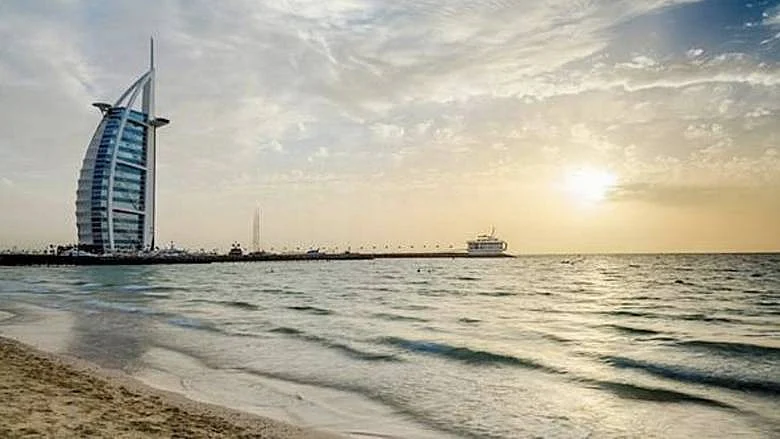
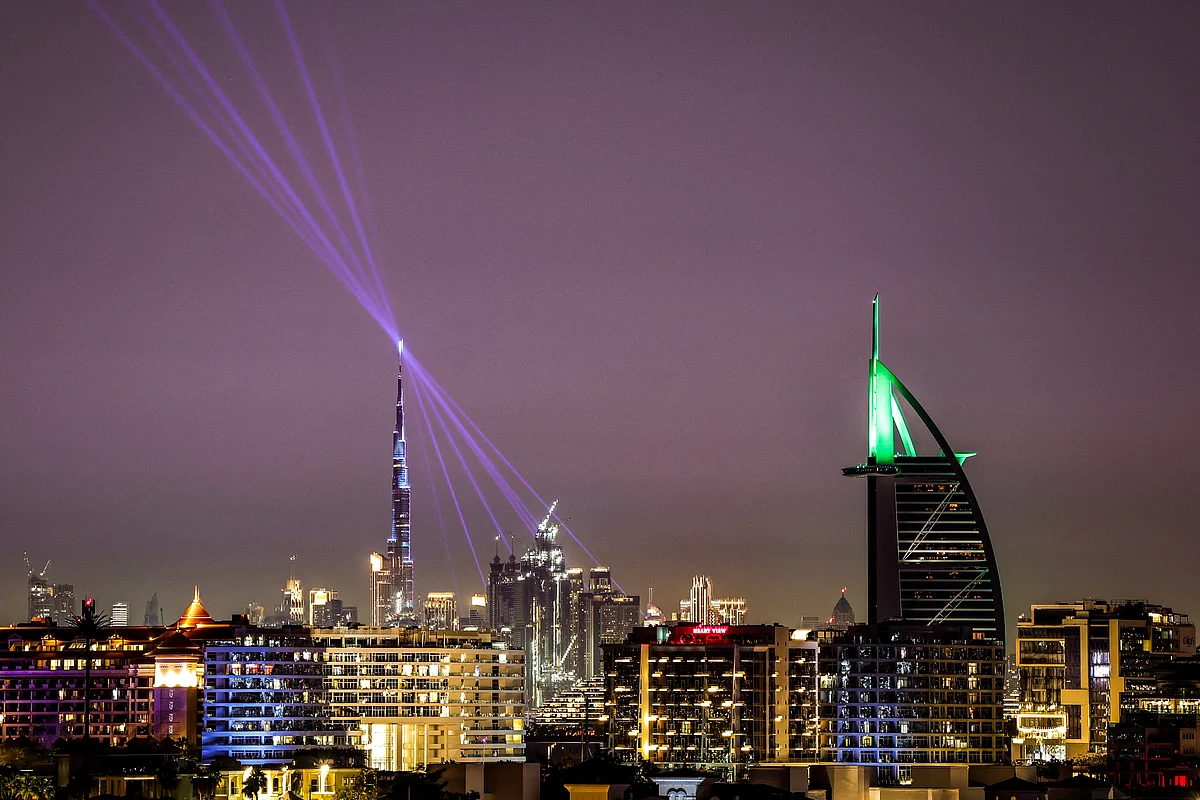
Burj Al Arab has never been a hotel that does things halfway, not when it first rose out of an artificial island in the late 1990s, and not now, as it prepares to disappear behind hoardings for an 18-month restoration that will take it offline for the first time in its history.
The project will be led by French interior architect Tristan Auer, known for his sensitive work on Paris landmarks like the Hôtel de Crillon. Officially, the brief is to refresh the interiors, enhance performance and prepare the hotel for the future of luxury, while keeping its intrinsic essence intact — a promise that guests will return and feel like nothing really has changed.
So, as the hotel prepares for its first deep intervention, we spoke to three Dubai-based architects about what the restoration process could look like for a landmark of this stature, why it would require a full 18-month shutdown, and how the decision signals the city's shift from simply building landmarks to actively preserving them for the long term.
Why a complete shutdown had to happen
If you’ve ever tried to renovate a kitchen while living in the house, you know the chaos. Now, multiply that by 202 suites, 56 floors and a global reputation for ‘seven-star’ perfection.
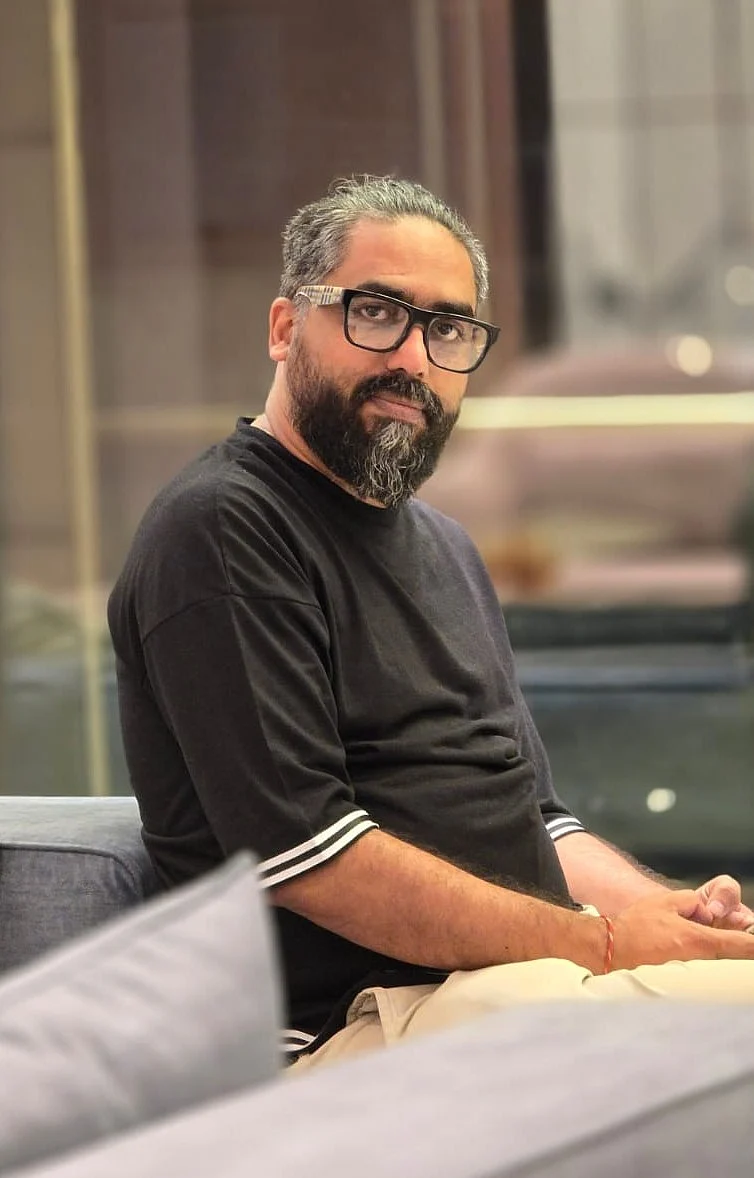
“From an architectural and technical standpoint, a full closure at Burj Al Arab typically indicates building‑wide interventions that cannot be phased without compromising safety, performance, or guest experience,” explains Shivarao C, Managing Director at ADSGDV.
He says this usually means working on the main systems that keep the building running — air‑conditioning, plumbing, electricals, lifts, fire safety — as well as any façade or structural works that cut across multiple floors at once. “A complete shutdown allows for a higher level of precision, ensuring the asset is comprehensively renewed rather than incrementally patched,” he adds.
Shivarao C, Managing Director, ADSGDV
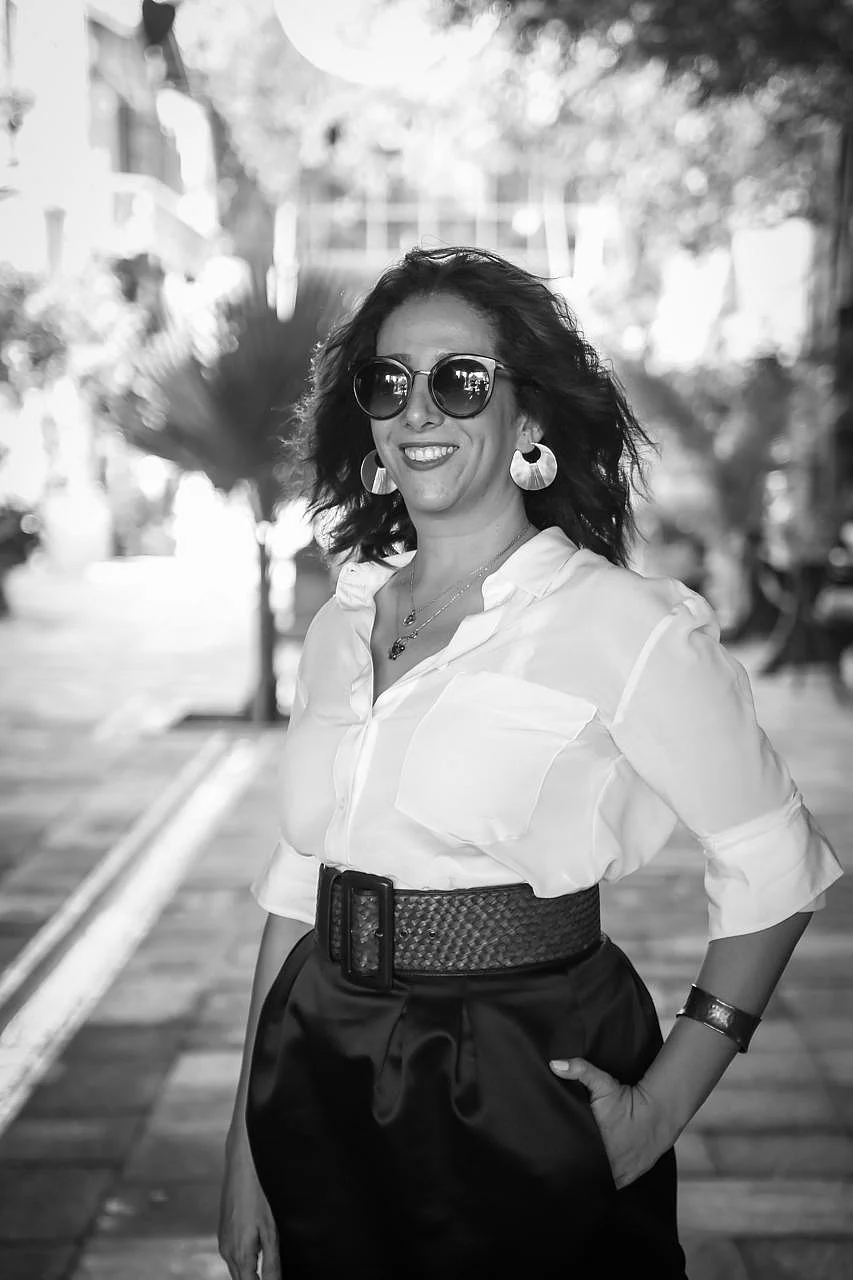
Architect and human‑centric interior designer Ruby Fahmi sees the decision as a clue to where the work is really happening. “An 18‑month closure signals that the work is happening at the level of the building’s core intelligence, not just the surface,” she says. “At that point, you’re not just upgrading certain parts, you’re resetting the system as a whole.”
Marmar Al Hilali, Dubai-based architect, notes that a building like Burj Al Arab “operates as a fully integrated system rather than isolated components.” In a conventional tower, you can take a few floors offline. Here, she says, “major interventions — façade, MEP, vertical circulation, core services — require simultaneous access across multiple zones.”
Safety, dust control, vibration and repeated system shutdowns make partial occupancy “operationally and technically unviable," Al Hilali adds. "You cannot ‘pause’ critical systems in a building of this complexity without compromising performance and safety.”
Put simply, the noise, dust and technical disruption needed to future-proof an icon wouldn't sit well with a nearly $5,000-a-night suite experience.
What ‘restoration’ actually looks like
So, what does the restoration process look like for an iconic landmark? “For an icon like Burj Al Arab, restoration goes far beyond surface upgrades,” says Shivarao. "It's a process that renews core systems, structural elements and the building envelope, while carefully reinstating finishes to match the original design intent.”
So, the brief is to preserve identity while upgrading the performance. “You’re maintaining the proportions, materials and spatial drama that define the building, while discreetly integrating modern technology, safety standards and sustainability measures,” he adds.
Fahmi explains this restoration as an “act of editing” as much as engineering. “Restoration at this scale is an exercise in precision, removing what no longer performs, upgrading what must evolve and protecting what defines its identity,” she says. “The real challenge is knowing what not to touch.”
Al Hilali, on the other hand, describes the process as “forensic and surgical.” In practical terms, that means stripping the building back to its working parts: checking and repairing the sail-like façade, testing the structure for any corrosion from salt and humidity, overhauling all the mechanical, electrical and plumbing systems and carefully restoring bespoke finishes like stone, metalwork, joinery and gold detailing.
The meaning of ‘almost invisible’ changes
Jumeirah has been careful to promise that the hotel’s DNA will remain intact and that changes will be 'almost invisible' to guests. “For Burj Al Arab, that language suggests a highly controlled, deep intervention beneath an unchanged visual identity,” says Shivarao.
It's not about redesigning the icon, he says, but “renewing the building’s core without altering its iconic character, which needs a technically intensive upgrade made deliberately invisible to the guest.”
To this, Fahmi adds, “In architecture, ‘invisible’ usually means the most important work is happening where you can’t see it, within systems, performance and flow.” If the restoration succeeds, she adds, the regular Dubai diner or staycationer won’t necessarily be able to point to a new chandelier or lobby. “If it’s successful, the guest won’t notice the change visually, they’ll feel it as effortlessness.”
Dubai-based architect Ruby Fahmi
Al Hilali calls it “a back‑of‑house transformation with a front‑of‑house continuity.” The real test, in her view, lies in “integrating new systems into a building that was not originally designed for them, without altering its visual DNA.”
The 25-year inflection point
For Burj Al Arab, the 20–25‑year mark is a natural inflection point, says Shivarao. “Especially in a high‑intensity, marine environment where systems, façade and materials face accelerated wear, this is an expected timeline.” Salt, wind, humidity and round‑the‑clock operation all compound the strain. At some point, he says, deep restoration shifts from choice to necessity.
“Around 25 years is when high‑intensity buildings fall out of sync with contemporary performance standards, especially in marine environments,” says Fahmi, adding that the restoration project also signals a cultural shift. “Dubai is shifting from building icons to sustaining them and we expect sustainability to be a keyword in this restoration, with new cutting‑edge technology.”
Al Hilali points not only to this environmental degradation, but also to shifting brand cycles and evolving expectations around sustainability, technology and luxury. “It reflects a convergence between material lifecycle and a reset in market expectations.”
From building icons to curating them
The restoration of Burj Al Arab also signals a clear shift in Dubai’s evolution, from a rapid creation phase to strategic curation of its legacy assets. “Rather than replacing early landmarks with newer, shinier ones, the city is now refining and future‑proofing them, ensuring they remain relevant within a far more competitive global luxury landscape,” says Shivarao.
“The Burj Al Arab once defined Dubai’s ambition, this restoration reflects its maturity,” adds Fahmi. “The city is moving from creating icons to curating them and that’s what gives architecture long‑term cultural value.”
In her view, buildings like this don’t just age physically, they “accumulate memory and expectation.” A good restoration, she says, "is a recalibration of how the space is experienced. If it’s done well, nothing feels new, everything just feels right again.”
For Al Hilali, this marks a transition the profession has long been waiting for. “This restoration signals a maturation phase in Dubai’s urban and architectural narrative, which is something we were thirsty for in our field."
The early years, she says, were defined by rapid expansion and global visibility. This next phase is about “longevity planning and the cultural preservation of early icons.” What she describes as “a shift from growth-driven architecture to heritage-conscious development, even within a relatively young city.”
ملاحظة تحريرية | Editorial Note:
نُشر هذا المقال في الأصل بواسطة Khaleej Times.
خبر (Khabr) هي منصة إعلامية أردنية مرخّصة تعمل بالذكاء الاصطناعي.
نضيف قيمة تحريرية من خلال: تحليل ذكي للأخبار، ملخصات تلقائية، رواية صوتية بالذكاء الاصطناعي، ترجمة متعددة اللغات، وتدقيق الحقائق.
هدفنا جعل الأخبار أكثر وضوحاً وسهولةً للقارئ العربي.
This article was originally published by Khaleej Times.
Khabr is a licensed Jordanian AI-powered news platform (Registration #82086).
We add editorial value through: AI-powered news analysis, automated summaries, AI audio narration, multi-language translation (Arabic, English, French, Turkish), and AI fact-checking.
Our mission is to make news more accessible and understandable for Arabic-speaking audiences worldwide.
هذا الخبر ضمن تغطية خبر لقسم سفر.
نقدّم لك تحليلات ذكية وملخصات يومية لأهم الأخبار من مصادر موثوقة متعددة.
المصدر: Khaleej Times.
يوجد 6 مقالات مرتبطة بهذا الموضوع.
This article is part of Khabr's coverage of Travel.
We provide AI-powered analysis, summaries, and multi-source aggregation to keep you informed.
Source: Khaleej Times.
Tags: Burj Al Arab, restoration, Dubai, tourism.
🍪 نستخدم ملفات تعريف الارتباط لتحسين تجربتك وعرض الإعلانات المخصصة. باستخدامك للموقع، فإنك توافق على سياسة ملفات تعريف الارتباط وسياسة الخصوصية.
We use cookies to enhance your experience and show personalized ads. By using this site, you agree to our Cookie Policy and Privacy Policy.
🔍
FREEFree 1GB Internet + Free International Calls
$1 trial — eSIM in 190+ countries — No roaming charges