Britain must shift from 'climate first, climate only' approach or risk falling behind, Tony Blair think tank says
•The UK and Europe must shift from a “climate first, climate only” approach to energy or risk falling behind global competitors, Sir Tony Blair’s think tank says.
•The former PM argues that, while decarbonisation is essential, “the global centre of gravity has shifted” and the “overriding priority” must be that energy supply keeps pace with demand.
•The European approach of treating energy as “primarily an environmental and carbon-reduction project” has led to costs that are up to three times higher than competitors, Mr Blair's think tank warned,...
هذا الخبر من GB News. خبر يقدم أدوات ذكاء اصطناعي للتلخيص والترجمة والاستماع.
المصدر: GB News | Source: GB NewsThe UK and Europe must shift from a “climate first, climate only” approach to energy or risk falling behind global competitors, Sir Tony Blair’s think tank says.
The former PM argues that, while decarbonisation is essential, “the global centre of gravity has shifted” and the “overriding priority” must be that energy supply keeps pace with demand.
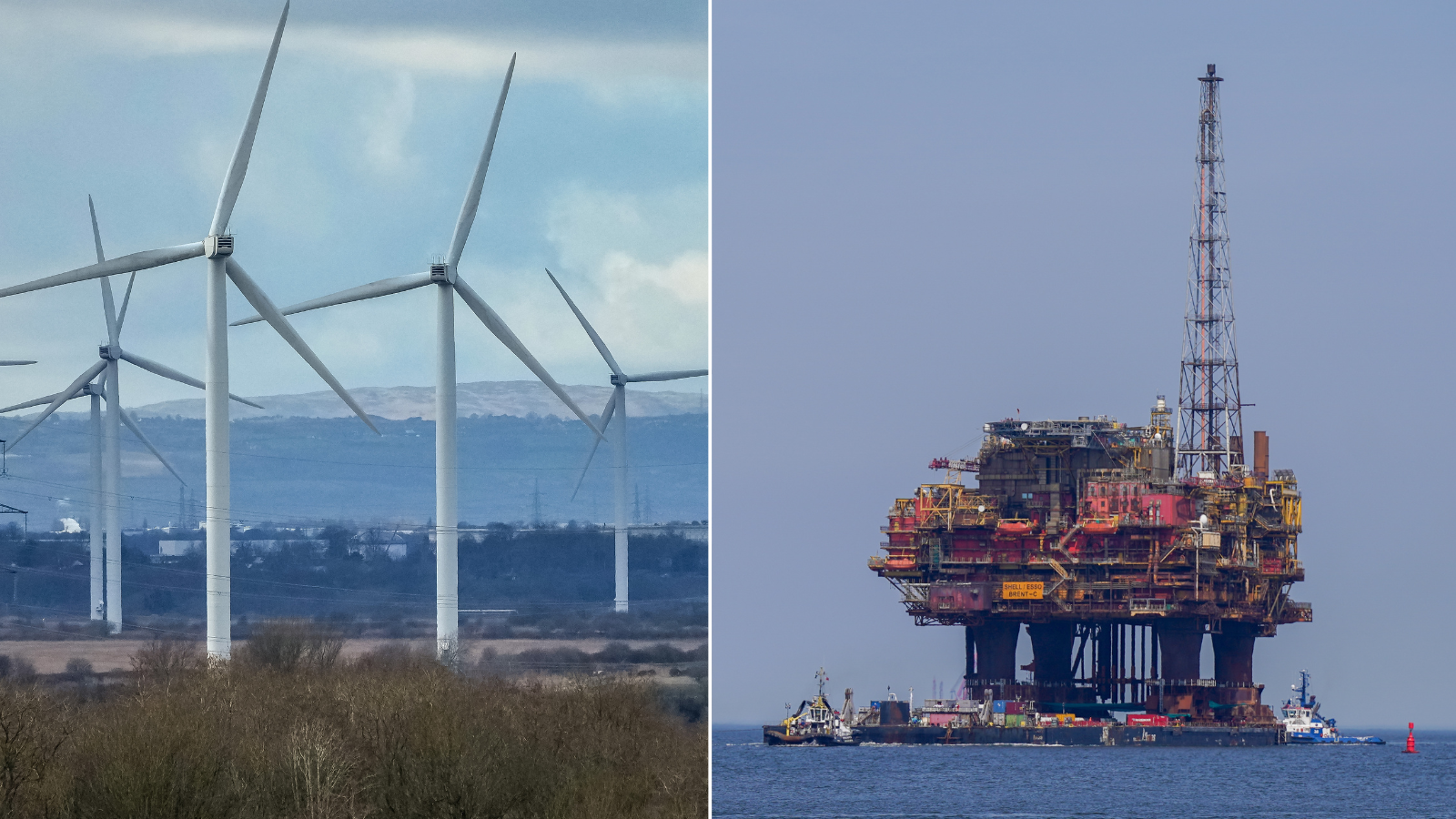
The European approach of treating energy as “primarily an environmental and carbon-reduction project” has led to costs that are up to three times higher than competitors, Mr Blair's think tank warned, “leaving energy security exposed and citizens paying the price”.
It means European nations are at risk of being left behind by China and America.
TRENDINGStoriesVideosYour SayWith energy demands only set to increase thanks to AI, a shift in approach was vital, a new paper for the Tony Blair Institute argued.
The Power to Compete: Europe’s Energy Reset, recommended a number of steps that the continental energy system should take to keep up with global rivals.
The paper stresseed that Europe includes the UK, Norway and Switzerland.
These steps include a co-ordinated European grid with more free-flowing power between nations.
It suggested that the UK and EU move towards a “common market” relationship in the long-term, arguing that Britain should also be allowed to “opt in” to a continental “system planner” aimed at coordinating Europe’s electricity sector.
Supply chains for the green energy sector must also be secured to allow the construction of a “clean-tech energy base”.
In a foreword to the paper, written jointly with former Italian PM, Matteo Renzi, Sir Tony said: “Europe has led the world in climate ambition and made real progress in reducing emissions.
“That achievement matters. But the global centre of gravity has shifted.
“The future of the energy system will be determined in economies where demand is rising rapidly - and where the overriding priority is to ensure that supply keeps pace.
“Unless Europe aligns its strategy with that reality, it risks falling behind those already shaping the energy systems - and the economic order - of the future.”
They point out that China, India and the United States collectively account for more than half of global emissions.
While their clean energy use is growing dramatically their energy policy is based around a “clear priority - ensuring supply”.
This results in a “more pragmatic transition”, they said, explaining: “Emissions fall not because growth is constrained, but because energy systems become larger, stronger and more efficient”.
The foreword insisted “this is not an argument for weakening climate ambition” but one for “embedding it within a more effective strategy – one that recognises that clean energy succeeds when it helps deliver abundant and affordable power”.
Report author, energy policy advisor, Tone Langengen, said that Europe has “extraordinary energy assets” that could be harnessed.
These include decades of nuclear expertise, the world’s strongest offshore wind resources and a highly interconnected electricity system.
LATEST DEVELOPMENTS
- Devastating cost of Labour's Net Zero push revealed - with households forced to pay thousands each
- Labour threatens another major petrol and diesel vehicle ban in net zero push
- Britain 'to be forced back into EU net zero scheme under Labour's Brexit Betrayal Bill'
But she said it now needed to “deliver abundant, affordable and secure power at scale”.
Decarbonisation would be the natural result of a system that worked, but, “if the continent fails, it will fall behind not just in energy, but prosperity and geopolitical standing”.
She said: “Energy is now Europe’s strategic test. The landscape is shifting - and fast.
“Power used to belong to those who controlled oil and gas, but this century it’ll belong to those who can produce abundant, affordable electricity - and lead the clean-tech supply chains behind it.
“While the US and China have moved with clarity and scale, Europe hasn’t. The result is a widening competitiveness gap and a growing risk that Europe becomes a follower rather than a leader.
“Decarbonisation remains essential, but it must be an outcome of a successful system rather than the organising principle of strategy itself. The continent must shift from a climate-first, climate only approach.”
She pointed out that data centre capacity is set to grow by 20 per cent per year to 2030.
By that same date, AI is predicted to consume nearly three per cent of global power.
This demand for power was already reshaping national strategies, she said, adding: “Climate concerns remain important but they are increasingly rivalled - and sometimes overshadowed - by imperatives of security, competitiveness and resilience.”
But European nations are still shackled by mistakes of the past, she argues.
She said: “Europe’s current position reflects a set of strategic errors in how the energy transition was conceptualised and implemented.
“At its core, from the mid-2000s onwards, energy policy came to be framed primarily as an environmental and carbon-reduction project rather than as a pillar of economic power, industrial strategy and geopolitical resistance.
“Climate ambition drove policy design, but questions of energy security, system cost and technological sovereignty were often treated as secondary considerations.”
The consequences of this included Europe focusing on clean energy without ensuring the wider economy could adapt at sufficient speed.
This meant fossil fuels were still embedded in the system, particularly in industry, heating and transport.
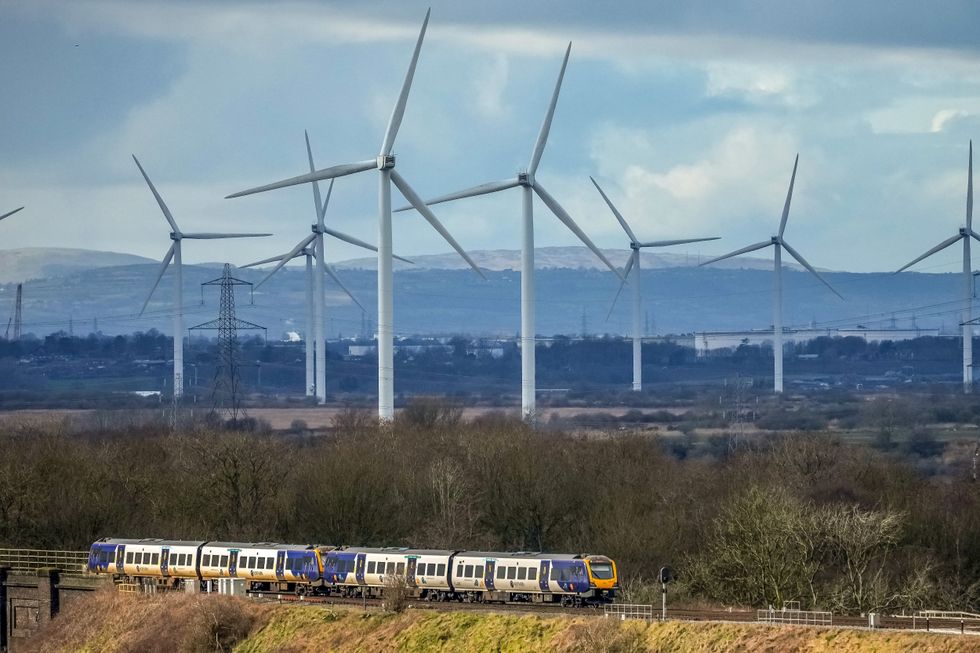
Further, wind and solar power was being added faster than grids could accommodate it, resulting in a surplus of demand that still had to be paid for.
Meanwhile, oil and gas were sidelined, despite still being required. Citing the move among the “mistakes” made in Europe’s energy approach, Ms Langengen said: “Fossil fuel was deprioritised while dependence remained high.
“Europe’s long-standing reliance on Russian fossil fuels has now been slowly replaced by dependence on Middle Eastern and American supplies.
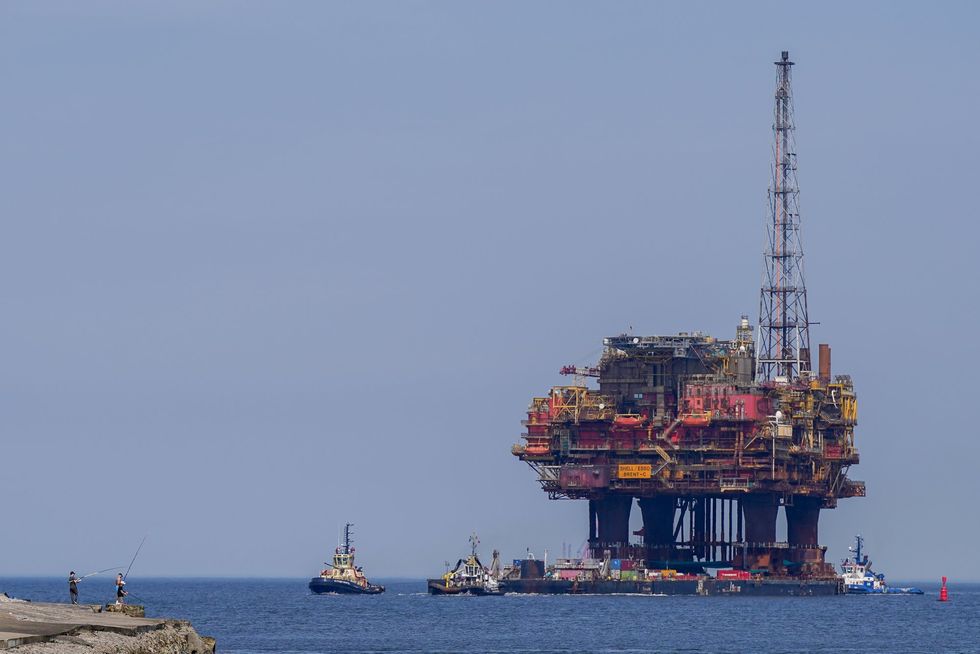
“The decisions of key producers like Denmark and the UK to phase out fossil-fuel production have made the region more exposed to international markets in increasingly unstable times.”
Jess Ralston, of the Energy and Climate Intelligence Unit, said that climate and energy policy were not mutually exclusive.
She argued that moving away from fossil fuels was the best way not only to help the planet but also to avoid volatile oil prices.
She said: “With next year predicted to be the hottest on record and governments' national security reports warning of the risk of collapsing ecosystems in the 2030s, undermining the UK’s food security, many experts would point to the need for a climate and energy security focused system. But they’d also say that these are mutually supportive.
"Europe would have been in a much worse mess after the Russian invasion of Ukraine and the war in Iran had it not spent years investing in renewable energy.”A Department for Energy Security and Net Zero spokesperson said: “Net zero is the economic opportunity of the 21st century, with clean power being the route to energy sovereignty, lower bills for good and thousands of good jobs in our communities.
“The lesson of yet another fossil fuel crisis is the UK needs to get off the fossil fuel rollercoaster and onto clean homegrown power we control.
“We are driving further and faster for clean homegrown power to bring down bills for good – including decisive action to break the influence of gas on electricity prices.”
Our Standards: The GB News Editorial Charter
ملاحظة تحريرية | Editorial Note: نُشر هذا المقال في الأصل بواسطة GB News. خبر (Khabr) هي منصة إعلامية أردنية مرخّصة تعمل بالذكاء الاصطناعي. نضيف قيمة تحريرية من خلال: تحليل ذكي للأخبار، ملخصات تلقائية، رواية صوتية بالذكاء الاصطناعي، ترجمة متعددة اللغات، وتدقيق الحقائق. هدفنا جعل الأخبار أكثر وضوحاً وسهولةً للقارئ العربي.
This article was originally published by GB News. Khabr is a licensed Jordanian AI-powered news platform (Registration #82086). We add editorial value through: AI-powered news analysis, automated summaries, AI audio narration, multi-language translation (Arabic, English, French, Turkish), and AI fact-checking. Our mission is to make news more accessible and understandable for Arabic-speaking audiences worldwide.