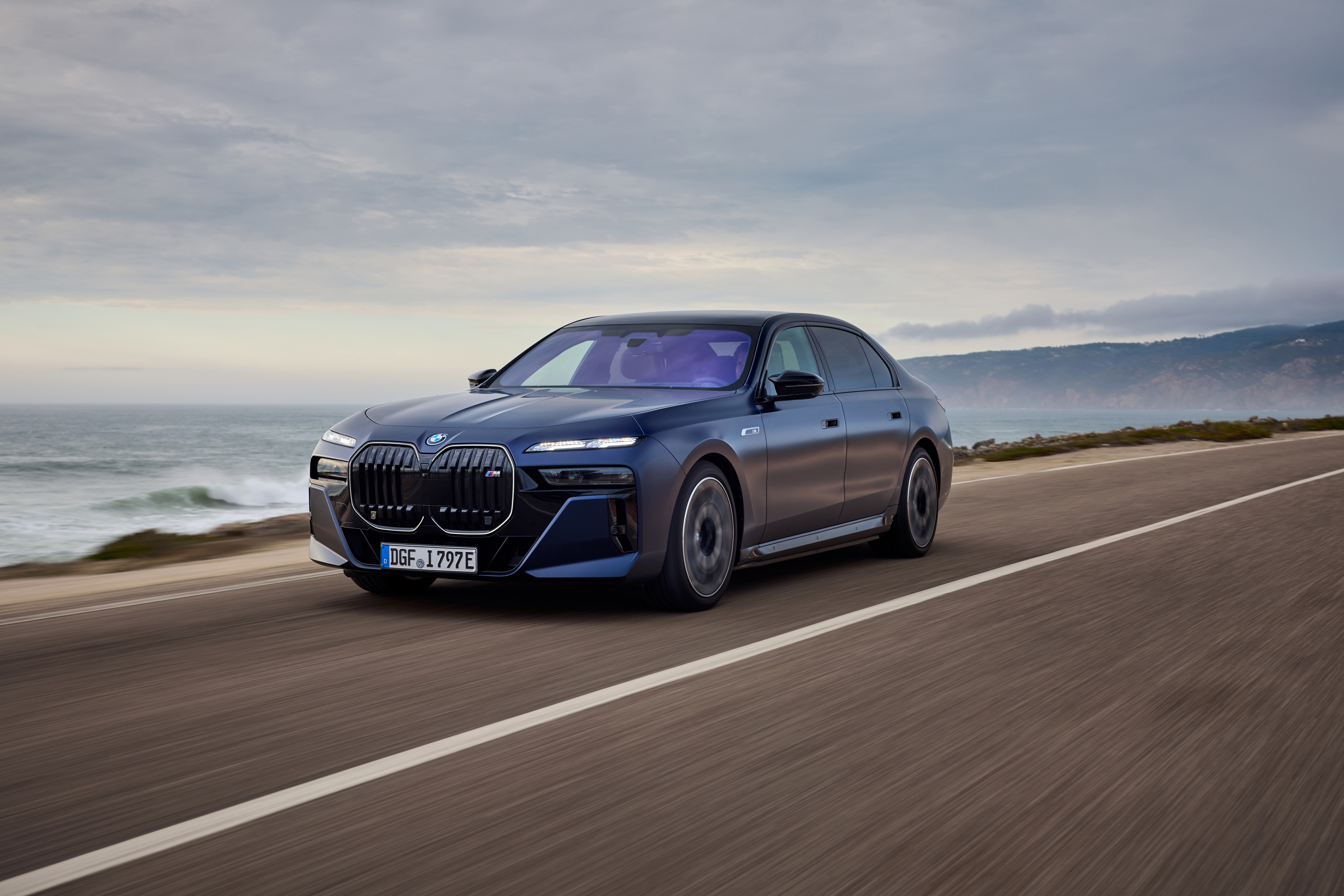
A major car brand has seen its profits take a hit as a result of the UK car finance scandal and rising US tariffs, which has impacted the sector.
German carmaker BMW said increased customs costs, particularly in the US have reduced its profit margin by around 1.25 percentage points during the first quarter of the year.
BMW also confirmed it had increased financial provisions linked to compensation for UK motor finance customers after the Financial Conduct Authority published its final redress scheme in March.
In its quarterly results, the company said the FCA's proposals were "likely to result in a higher overall volume of compensation" than previously expected.
The update comes as the wider motor finance industry faces mounting pressure over historic commission arrangements, with lenders and manufacturers bracing for potentially billions of pounds in payouts.
BMW said the combination of tariff costs, weaker demand in China and the UK compensation scheme weighed heavily on profits during the opening months of the year.
Profit before tax fell to €2.35billion (£2billion), down from €3.11billion (£2.66billion) a year earlier, while revenues dropped 8.1 per cent to €31billion (£26.5billion).
The company said: "Higher customs expenses, particularly in the USA, reduced the EBIT margin in the Automotive segment by around 1.25 percentage points in the first quarter of 2026."
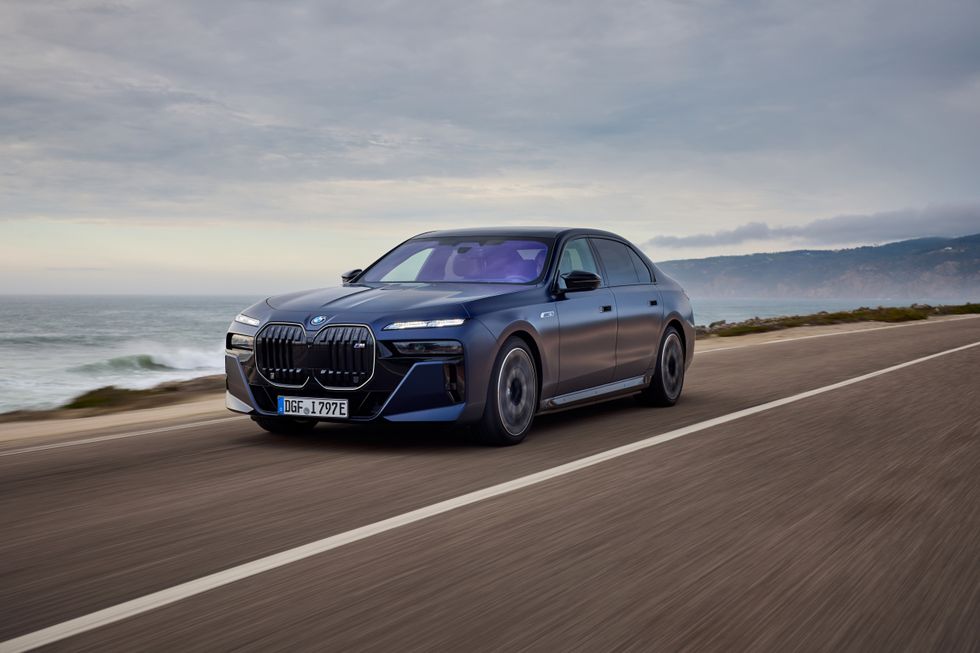
BMW added that "negative market developments in China, additional customs expenses, higher depreciation and amortisation and negative currency and raw material effects could only be partially offset by cost savings".
Despite the financial pressures, BMW said it had delivered a "solid start" to the year and pointed to strong cash generation and resilient European demand.
Free cash flow in its automotive division rose sharply to €777million (£665million) during the quarter, an increase of 88 per cent compared with the same period last year.
The BMW Group, which includes MINI and Rolls-Royce, delivered 565,780 vehicles worldwide between January and March, down 3.5 per cent year-on-year.
LATEST DEVELOPMENTS
- DVSA issues Highway Code warning to drivers over common road offence leading to £2,500 fines
- Drivers urged to save thousands of pounds with electric cars - 'Cheaper than petrol, diesel or hybrid'
- Iran war prompts calls for motorway speed limit cut and more 20mph roads in 'dual win' for Labour
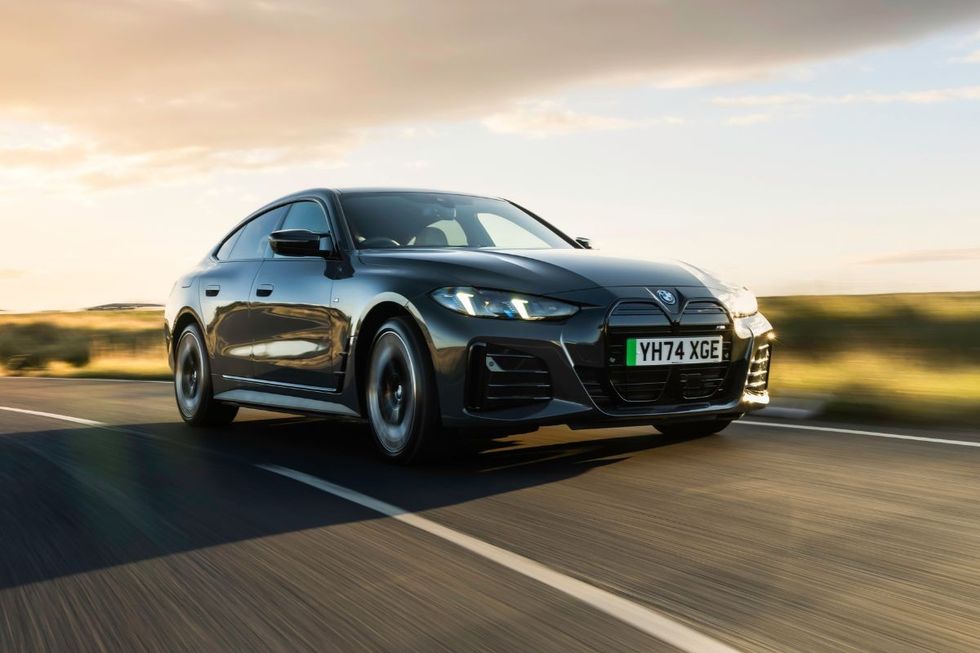
However, European sales fared better, increasing by 3.1 per cent, with Germany recording particularly strong growth of seven per cent.
The company said Europe remained its strongest-performing region, helped by continued demand for both electric and petrol-powered vehicles. BMW said orders for fully electric vehicles in Europe increased by more than 60 per cent during the quarter.
The company added: "Demand for models with internal combustion engines was slightly above last year's high level, once again confirming the viability of the BMW Group’s technology-open strategy."
While electric vehicle sales weakened in the US and China following the removal of subsidies, BMW said European demand remained resilient.
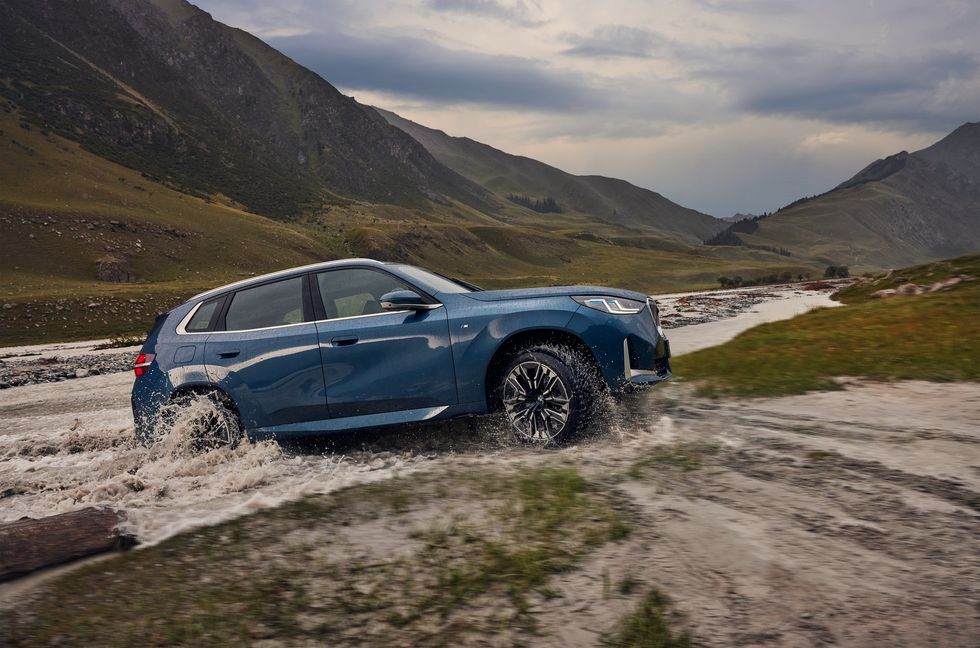
Globally, all-electric vehicle deliveries fell 20.1 per cent to 87,488 vehicles, accounting for 15.5 per cent of total sales.
BMW's core brand delivered 496,006 vehicles worldwide during the quarter, while MINI sales rose six per cent, and Rolls-Royce deliveries fell eight per cent.
The company also highlighted continued uncertainty surrounding global trade and geopolitical tensions.
BMW said the outlook for the automotive market remained "uncertain" due to "trade and tariff policy, security policy and a possible further escalation of international trade conflicts".
The manufacturer expects tariffs to remain volatile throughout 2026 but said the impact should be slightly lower than last year.
The company also warned that weaker used car prices, currency pressures and softer demand in China were likely to continue affecting earnings for the rest of the year.
Our Standards: The GB News Editorial Charter