WASHINGTON: More than two weeks of intense, largely unseen diplomacy preceded the announcement that the United States and Iran have agreed to observe a two-week ceasefire, diplomatic observers told Dawn — a breakthrough they say would not have been possible without sustained mediation by Pakistan.
Islamabad moved quickly after the conflict erupted on Feb 28. Within days of the first strikes, Pakistani officials began activating diplomatic channels across multiple capitals. While publicly maintaining neutrality, Pakistan quietly positioned itself as a bridge between Washington and Tehran — two adversaries that do not maintain direct diplomatic relations. Pakistan represents Iran’s interests in Washington, giving it a rare institutional foothold in both capitals.
“Why has Pakistan remained front and center in a high-stakes and high-risk US-Iran peace facilitation effort?” asked Michael Kugelman, a Washington-based scholar of South Asian affairs. “Strong ties with all key players, trust from the White House, ongoing direct engagements with Iran, and buy-in from Pakistan’s ally China,” he said, noting that Beijing holds significant leverage with Tehran.
Kugelman argued that Islamabad also had compelling reasons to step forward. “It is especially vulnerable to the conflict’s effects. It doesn’t want to get dragged into the conflict and has strategic interests in showcasing its agency as an influential regional actor,” he added.
The scholar, in a later post on X, added that Pakistan achieved “one of its biggest diplomatic wins in years”.
“It also defied many skeptics and naysayers that didn’t think it had the capacity to pull off such a complex, high-stakes feat,” he said.
Vali Nasr, a prominent scholar of Iranian affairs in Washington, highlighted another unexpected dimension. Retweeting Prime Minister Shehbaz Sharif’s post about the ceasefire, he noted: “Pakistan PM says ceasefire will also include Lebanon.” He added: “Iran had been asking for this all along, but it always looked like an outlandish maximal ask. That it is on the table now is quite an unexpected outcome.”
The most visible phase of Pakistan’s effort came on March 29–30, when foreign ministers from Pakistan, Saudi Arabia, Egypt and Turkey met in Islamabad to explore pathways to de-escalation. Led by Foreign Minister Ishaq Dar, the consultations focused on preventing further military escalation and developing a framework to initiate US–Iran talks.
The proposal envisioned structured negotiations in Islamabad. When immediate talks did not materialise, some observers concluded that the initiative had faltered. According to diplomatic sources, however, Islamabad intensified its outreach rather than scaling it back.
In the days that followed, Prime Minister Shehbaz Sharif and Dar spoke with more than a dozen world leaders and senior officials in Washington, Moscow, Beijing, key European capitals, Gulf Cooperation Council states, Turkey, Egypt and Saudi Arabia. The objective was to build consensus around a limited ceasefire as a first step toward formal negotiations.
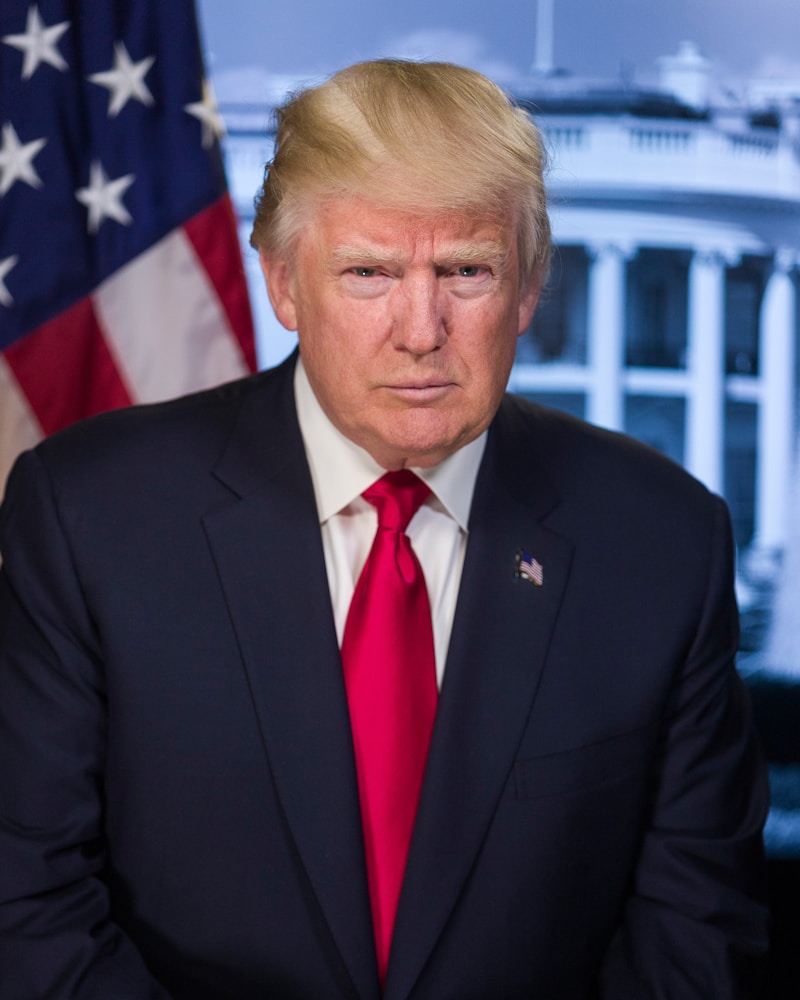
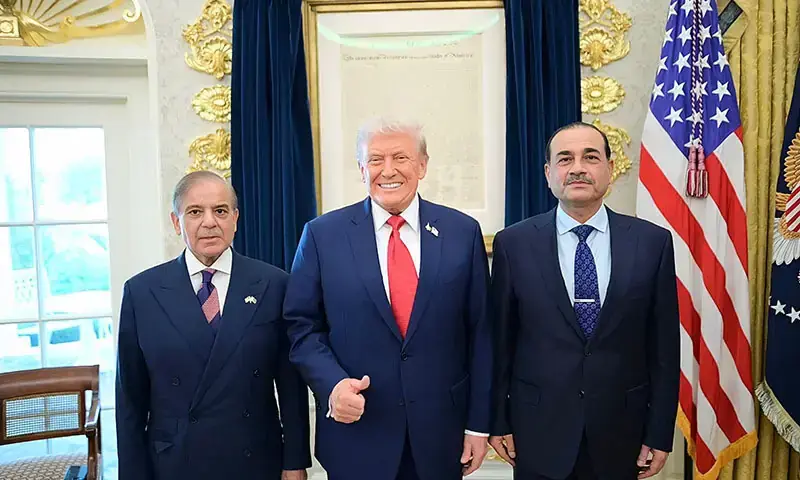
Pakistan’s military leadership also played a part. Chief of Army Staff Field Marshal Syed Asim Munir held conversations with senior US officials, including President Donald Trump, diplomatic sources said, reinforcing civilian diplomatic efforts at a critical juncture.
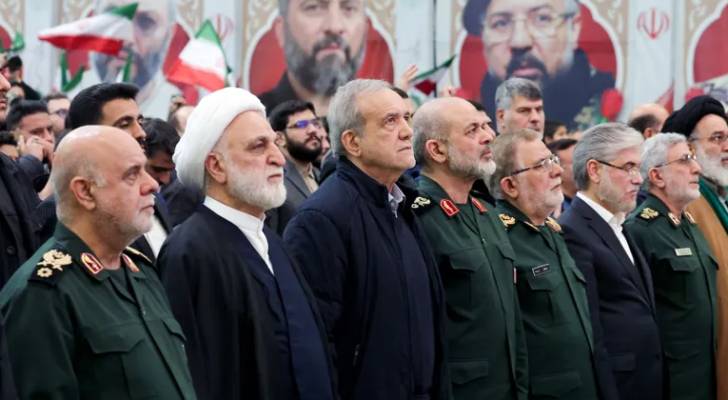
Simultaneously, Pakistani officials remained in contact with Iranian counterparts, including figures linked to the Islamic Revolutionary Guard Corps, ensuring that communication channels stayed open at a time when direct exchanges between Washington and Tehran were severely constrained.
By early April, Islamabad circulated a ceasefire framework proposing an immediate halt to hostilities, followed by a defined diplomatic window of approximately two weeks for structured negotiations. The plan emphasised confidence-building measures, including de-escalation around key maritime routes — a major flashpoint in the crisis.
Although delays persisted and differences remained sharp — particularly over regional security arrangements and maritime access — mounting military and political pressure created space for compromise. As deadlines loomed and fears of a broader regional war intensified, Pakistan’s proposal began gaining traction.
On April 7, Washington and Tehran announced they would observe a two-week ceasefire, halting major offensive operations and opening the door to direct or proximity talks. Officials in multiple capitals credited Pakistan’s sustained mediation — particularly its ability to speak to all sides without appearing aligned — as a decisive factor in breaking the impasse.
Islamabad’s role was enabled by its unique diplomatic position: maintaining working relations with the United States while sharing a long and sensitive border with Iran. It also enjoys cooperative ties with Saudi Arabia, Turkey and other regional actors whose support proved essential in building momentum for de-escalation.
The next phase is expected to begin in Islamabad on April 10, where delegations will explore the contours of a more durable arrangement. Whether the temporary truce evolves into a lasting agreement will depend on progress within that narrow diplomatic window.
For Islamabad, however, the ceasefire already marks a significant diplomatic achievement — demonstrating that sustained engagement, even when conducted largely out of public view, can alter the trajectory of a fast-moving regional crisis.