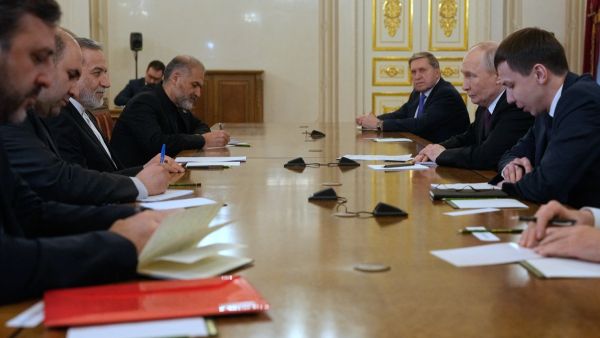
ALBAWABA- Iranian Foreign Minister Abbas Araghchi met Russian President Vladimir Putin in Saint Petersburg on Monday as Tehran intensified diplomatic efforts to manage its ongoing conflict with the United States and Israel and preserve a fragile ceasefire.
The visit came after Araghchi’s recent trips to Pakistan and Oman, where he held consultations on regional mediation, and efforts to sustain indirect negotiations between Iran and the United States.
Over the weekend, Araghchi made two stops in Islamabad, alongside a one-day visit to Muscat for talks with Omani Sultan Haitham bin Tariq. Discussions focused on reviving stalled diplomacy and maintaining the ceasefire brokered earlier through Pakistani mediation channels.
At the same time, Pakistan announced six new land transit routes under its “Transit of Goods through Territory of Pakistan Order 2026,” allowing Iran to trade with third countries through Pakistani territory.
The routes connect ports including Gwadar and Karachi to border crossings such as Gabd, Taftan, and Quetta, aiming to reduce the impact of disruptions in the Strait of Hormuz and support Iranian imports during the conflict.
During talks at the Boris Yeltsin Presidential Library, Araghchi delivered a message from Iran’s leadership and thanked Moscow for its continued support. “The conflict has shown that Iran has friends and allies like Russia,” Araghchi said, adding that Moscow had stood by Tehran during difficult times.
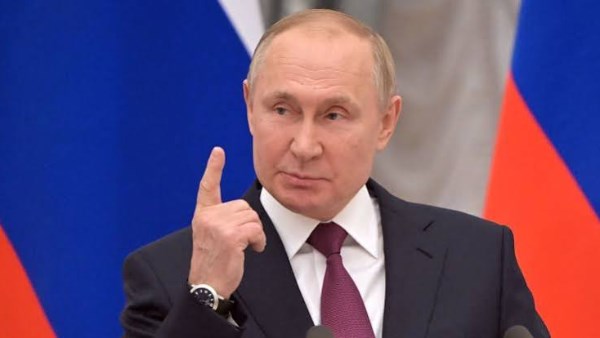
Putin reaffirmed the strategic partnership between the two countries and said Russia would “do everything possible” to help bring the war to a swift end and secure peace in the Middle East. He stressed the importance of continued close coordination on both bilateral and regional issues.
A notable development during the meeting was the presence of Igor Kostyukov, head of Russia’s Main Directorate of the General Staff (GRU), alongside Foreign Minister Sergei Lavrov and Kremlin aide Yuri Ushakov.
His attendance at what was formally a diplomatic consultation drew attention, particularly after Russia’s Security Council warned that the United States and Israel could use the ceasefire to prepare further military action against Iran, citing ongoing US troop build-ups in the region. Kostyukov’s presence is a possible signal of intelligence coordination between Moscow and Tehran regarding American military intentions and broader regional developments.
Araghchi blamed Washington for the stalled negotiations, accusing the United States of making “excessive demands” that undermined previous rounds of talks.