An end on horizon?
المصدر: Dawn | Source: DawnWhat next? Will the two-week truce help? How will the oil market behave in the days and weeks ahead? Billion-dollar questions with few, concrete answers. Some indications, though, can be looked into.
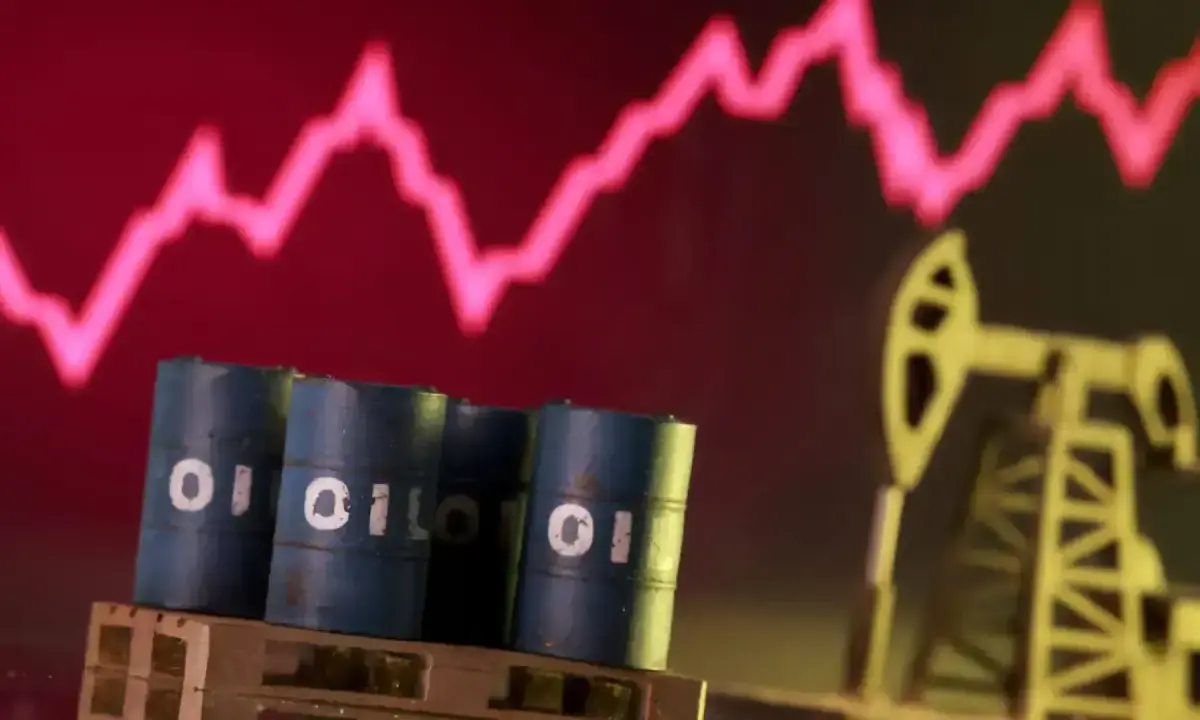
Immediately after the announcement of the two-week ceasefire, oil markets fell from their peak seen in the first week of the month. At close last weekend, crude oil prices were around $96/barrel, some 15 per cent lower than a week ago.
Early in April, most analysts were suggesting that if hostilities against Iran continue, and Iran continues to block shipments through the strategic Strait of Hormuz, prices could climb to $130 per barrel and even beyond to $150 per barrel. That could have heralded global depression.
Fortunately, that did not happen; courtesy of the ceasefire. But now, much depends on the ceasefire holding. It is still fragile, at best. Market sentiments have improved, yet, to be fair, the ground situation has not changed much.
If the world heads towards a political solution, crude oil prices will go down, but not to the levels they were at the onset of the war
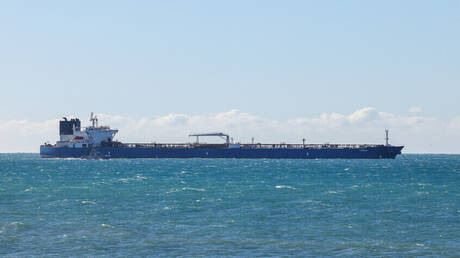
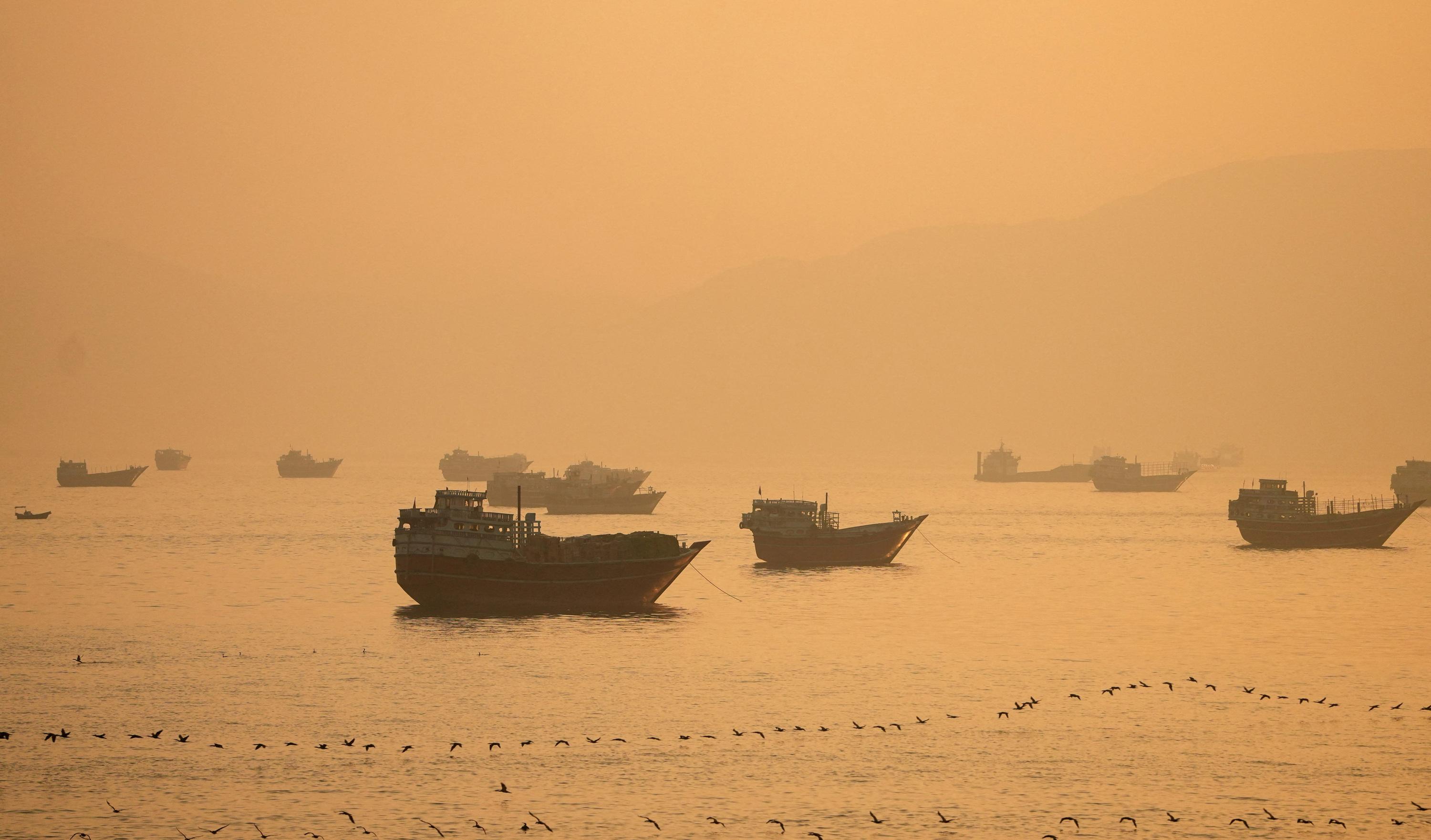
“The ceasefire has not reopened the Strait of Hormuz, and transit remains tightly controlled,” maritime intelligence firm Windward said in an April 9 note. The movement of vessels continues through routing, managed by the (Iranian) Islamic Revolutionary Guard Corps, not standard commercial lanes.
“Transit through the Strait of Hormuz remains restricted, coordinated, and selectively enforced. There has been no return to open commercial navigation. Standard shipping lanes remain largely unused, and no meaningful increase in traffic has followed the ceasefire announcement,” it added.
The 11 million barrels per day of upstream production currently shut in across the Middle East can only be restored once export logistics normalise. It is far from that yet.
All eyes are thus glued to Islamabad. If these negotiations succeed, oil markets will begin a long, rather arduous journey towards normalisation. But bear in mind, with spoilers around, this remains a big if.
Furthermore, this would be a long process in itself. Even in the best-case scenario, it will take months for energy markets to return to the pre-war situation.
If the Strait of Hormuz opens today without any restrictions, oil and gas supplies from the Middle East would take several months, well into the late summer, to recover from the 40-day jolt, a report by Wood Mackenzie highlighted
If the Strait of Hormuz opens today without any restrictions, oil and gas supplies from the Middle East would take several months, well into the late summer, to recover from the 40-day jolt, a report by Wood Mackenzie highlighted.
“A ‘workable system’ of transit and shipowner confidence in the security of the transiting vessels is essential,” said Alan Gelder, SVP Refining, Chemicals and Oil Markets at Wood Mackenzie. “This includes availability of insurance for transiting vessels, facilitating commercial trade financing, sustained outbound vessel transits through the Strait of Hormuz, making current oil on water available to the global refining market, and sustained inbound vessel transiting through the Strait, making ballasting vessels available to load crude at Gulf load ports. There also needs to be confidence in the viability of transit during and beyond the current two-week ceasefire.”
After the initial phase, the producers in the Middle East face another major issue: returning their output to previous levels. That is not going to be straightforward. Each producer will face a specific set of problems.
For instance, even unconstrained, it will take the Organisation of the Petroleum Exporting Countries (Opec) second-largest producer, Iraq, considerably longer to reach prior production levels, somewhere between six and nine months, given the complexities involved, due to both the reservoir management and resource constraints.
Countries like Saudi Arabia and the United Arab Emirates have spare capacity. They may use that and, in the meantime, bring their fields currently producing at lower levels due to shipment constraints back to optimal output levels. However, restarting these fields can always pose problems, and unexpected technical issues could arise.
In other Opec countries, where upstream infrastructure is little damaged, local demand centres (refining capacity) may require repair. Exports from Opec countries will thus ramp up; previous production highs will take longer to attain.
Gas poses another challenge. Pakistan, nearly fully dependent on Qatar for LNG, faces difficulties after Iranian missiles damaged Qatar’s LNG infrastructure. The damage was reportedly substantial. Mackenzie assumes that if QatarEnergy begins restarting Ras Laffan at the start of May, it would take until the end of August for its 12 trains to return to full service. Supplies until then, even if Hormuz stays open for commercial traffic, could remain erratic.
Crude oil prices have gone down, yes. If the world heads towards a political solution, these will go down further, but not to the levels they were at the onset of the war. That will take time. There are many hiccups in the process. Energy and oil infrastructure throughout the resource-rich Middle East has sustained significant hits during the war. It will take time to rebuild them. For the time being, the world will need to readjust to the lower output from the oil-rich region.
The writer is an energy analyst and has delivered talks at the Department of Energy in Washington and the International Energy Agency.
X: @rhusainsyed
Published in Dawn, The Business and Finance Weekly, April 13th, 2026
ملاحظة تحريرية | Editorial Note: نُشر هذا المقال في الأصل بواسطة Dawn. خبر (Khabr) هي منصة إعلامية أردنية مرخّصة تعمل بالذكاء الاصطناعي. نضيف قيمة تحريرية من خلال: تحليل ذكي للأخبار، ملخصات تلقائية، رواية صوتية بالذكاء الاصطناعي، ترجمة متعددة اللغات، وتدقيق الحقائق. هدفنا جعل الأخبار أكثر وضوحاً وسهولةً للقارئ العربي.
This article was originally published by Dawn. Khabr is a licensed Jordanian AI-powered news platform (Registration #82086). We add editorial value through: AI-powered news analysis, automated summaries, AI audio narration, multi-language translation (Arabic, English, French, Turkish), and AI fact-checking. Our mission is to make news more accessible and understandable for Arabic-speaking audiences worldwide.