Airfares set to rise up to 10% due to higher jet fuel, Middle East airspace closures
المصدر: Khaleej Times | Source: Khaleej Times[Editor's Note: Follow Khaleej Times live blog for the latest regional developments with the US-Israel-Iran ceasefire now in effect.]
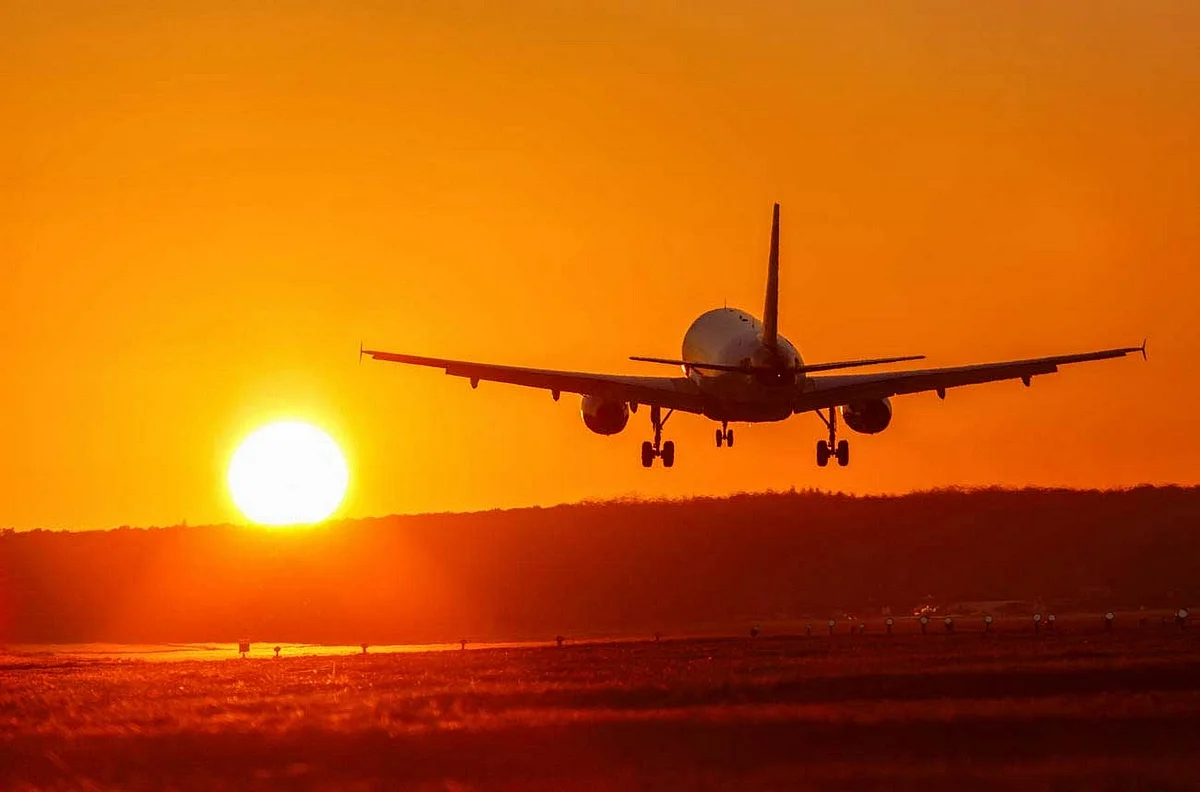
Airfares are expected to increase by up to 10 per cent globally due to a jump in jet fuel prices and airspace closures, with long-haul travel bearing the brunt of the hike.
However, Gulf carriers can absorb rising fuel costs as they hold sizeable cash reserves, according to a new study.
Stay up to date with the latest news. Follow KT on WhatsApp Channels.
“Airlines are already increasing airfares, or adding fuel surcharges, to cover the higher operating costs resulting from the Iran war. But against a backdrop of weakening demand due to the wider economic consequences of this oil shock, airlines will also be aware of consumer price sensitivity, which should mitigate significant hikes. Higher oil and jet fuel prices from a two-month conflict translate to a 5-10 per cent increase in base airfares,” said Oxford Economics in its latest report, Iran War’s Impact on Fuel Prices and Air Passenger Demand.
In addition, it said airspace closures across the Middle East will add to operating costs by forcing airlines to reroute flights, leading to higher fuel burn per flight.
Jet fuel prices have nearly doubled since the Middle East war began on February 28. Supply disruptions are expected to push prices even higher.
Jet fuel typically represents 25-35 per cent of an airline’s operating costs. For some low-cost carriers, fuel accounts for as much as 60 per cent of operating costs, making the industry highly vulnerable to oil price spikes.
According to Emirates airline’s 2024-25 results, Emirates’ operating costs, including fuel, grew by 4 per cent in line with increased operations. Fuel remains the largest component of the airline’s operating costs at 30 per cent.
Fuel costs for flydubai accounted for 25 per cent of total operating expenses in 2025.
The study forecast that air passenger demand in the Middle East will slump by nearly 41 per cent in 2026 due to the US, Israel and Iran military conflict.
Sizeable cash reserves
In the Gulf region, top carriers such as Qatar Airways, Emirates and Etihad Airways “are currently in a strong financial position, with sizeable cash reserves giving them a greater buffer to absorb rising costs in the short run,” said Oxford Economics.
As per Emirates Group’s results, the first half of 2025-26 closed with a record cash position of Dh56 billion ($15.2 billion) on September 30, 2025, reflecting strong positions that the UAE and regional carriers enjoy to deal with the geopolitical challenges.
However, Oxford Economics cautioned that Gulf airlines are exposed given their heavy dependence on long-haul and transit traffic.
“Long-haul travel will bear the brunt of these hikes as fuel makes up a much bigger share of the ticket price… Higher prices may also cause price-sensitive travellers to delay or cancel longer trips,” it said.
In the US, airlines stopped fuel hedging in recent years, which means they will, at least partially, pass on higher fuel costs to consumers in the form of higher airfares.
Oxford Economics projected that most, if not all, regional flight activity will be free to resume in the second half of 2026.
ملاحظة تحريرية | Editorial Note: نُشر هذا المقال في الأصل بواسطة Khaleej Times. خبر (Khabr) هي منصة إعلامية أردنية مرخّصة تعمل بالذكاء الاصطناعي. نضيف قيمة تحريرية من خلال: تحليل ذكي للأخبار، ملخصات تلقائية، رواية صوتية بالذكاء الاصطناعي، ترجمة متعددة اللغات، وتدقيق الحقائق. هدفنا جعل الأخبار أكثر وضوحاً وسهولةً للقارئ العربي.
This article was originally published by Khaleej Times. Khabr is a licensed Jordanian AI-powered news platform (Registration #82086). We add editorial value through: AI-powered news analysis, automated summaries, AI audio narration, multi-language translation (Arabic, English, French, Turkish), and AI fact-checking. Our mission is to make news more accessible and understandable for Arabic-speaking audiences worldwide.