A woman turned to ChatGPT before poisoning 3 men in South Korea, police say
•Artificial intelligenceA ChatGPT poisoning case is riveting South Korea as claims of AI-linked violence spreadKim So-young is accused of asking ChatGPT for lethal dosing advice before giving three men...
•Two died.Listen to this article with a free account00:0000:00A criminal case riveting South Korea has echoes of cases involving AI that are popping up around the world.Leila Register / NBC NewsShareAd...
•Prosecutors allege Kim gave the drugs to three men, two of whom died, while the other was injured.
هذا الخبر من NBC News. خبر يقدم أدوات ذكاء اصطناعي للتلخيص والترجمة والاستماع.
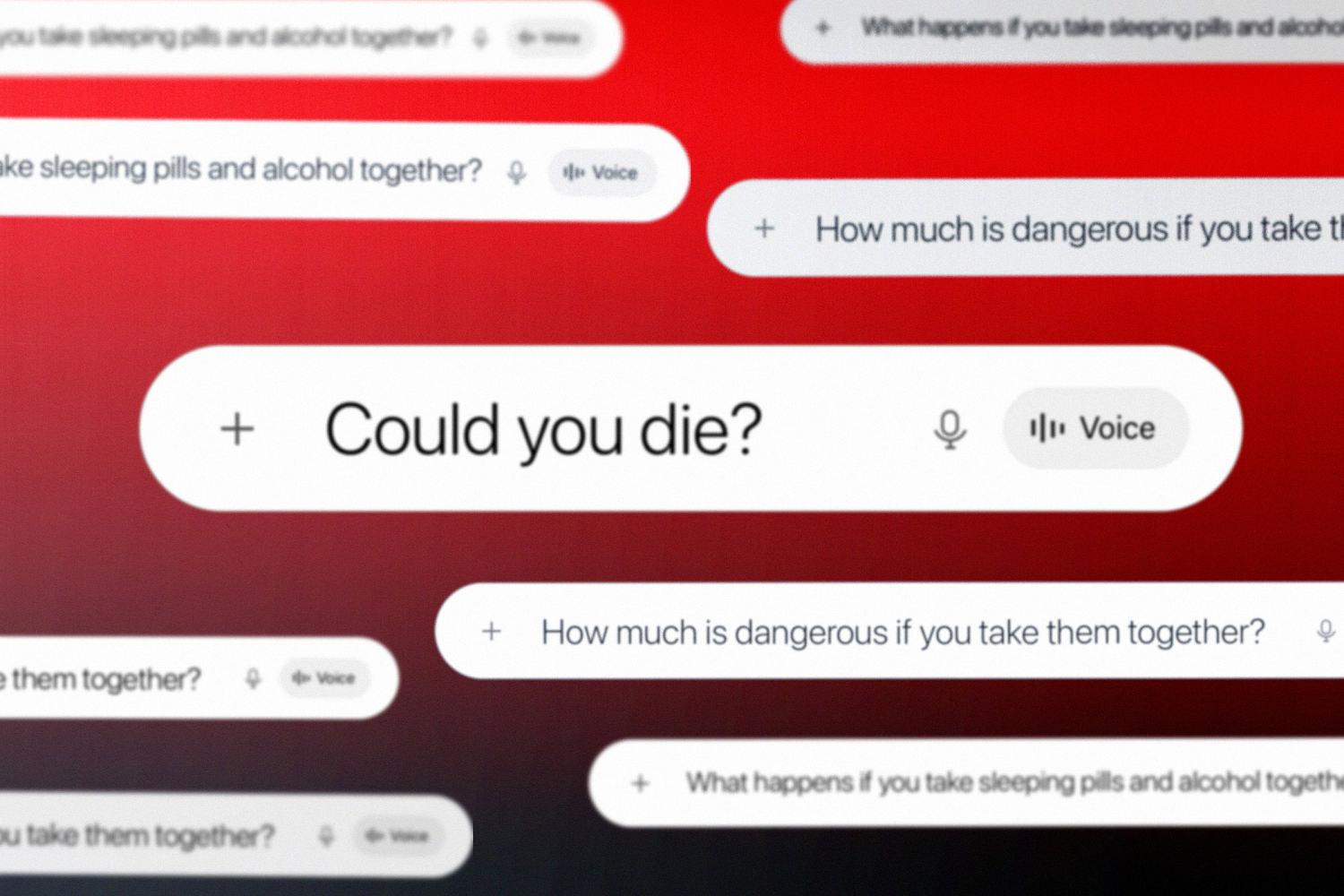
Artificial intelligenceA ChatGPT poisoning case is riveting South Korea as claims of AI-linked violence spreadKim So-young is accused of asking ChatGPT for lethal dosing advice before giving three men benzodiazepine-laced drinks. Two died.Listen to this article with a free account00:0000:00A criminal case riveting South Korea has echoes of cases involving AI that are popping up around the world.Leila Register / NBC NewsShareAdd NBC News to GoogleMay 12, 2026, 12:00 PM EDTBy Jane Lytvynenko, Stella Kim and Jared PerloSEOUL, South Korea — “What happens if you take sleeping pills and alcohol together?”Subscribe to read this story ad-free Get unlimited access to ad-free articles and exclusive content.“How much is dangerous if you take them together?” “Could you die?”Those are the questions police in South Korea say Kim So-young asked ChatGPT shortly before she gave two men a mix of alcohol and benzodiazepine, leading to their deaths. Prosecutors allege Kim gave the drugs to three men, two of whom died, while the other was injured. Investigators have turned ChatGPT conversations forensically extracted from Kim’s phone in an attempt to show intent. “This is not only significant as evidence in itself, but also because the very fact that conversations with ChatGPT are being admitted as direct evidence in a murder case is highly noteworthy,” Nam Eonho, a senior attorney at the law firm Vincent and counsel for the family of one of the victims, said in a phone interview. “If such evidence were not admitted, it would be difficult to prove the defendant’s intent to kill, which is a key element of the crime,” Nam said. NBC News contacted South Korea’s Supreme Prosecutors’ Office, which oversees the Seoul Central district Prosecutors’ Office handling the case, for comment. The office did not immediately respond. Kim has denied any intent to kill, saying in court that the deaths were accidental. Nam said the chat log evidence contradicts that. The case, which may be the first of it...المصدر: NBC News | Source: NBC News
ملاحظة تحريرية | Editorial Note: نُشر هذا المقال في الأصل بواسطة NBC News. خبر (Khabr) هي منصة إعلامية أردنية مرخّصة تعمل بالذكاء الاصطناعي. نضيف قيمة تحريرية من خلال: تحليل ذكي للأخبار، ملخصات تلقائية، رواية صوتية بالذكاء الاصطناعي، ترجمة متعددة اللغات، وتدقيق الحقائق. هدفنا جعل الأخبار أكثر وضوحاً وسهولةً للقارئ العربي.
This article was originally published by NBC News. Khabr is a licensed Jordanian AI-powered news platform (Registration #82086). We add editorial value through: AI-powered news analysis, automated summaries, AI audio narration, multi-language translation (Arabic, English, French, Turkish), and AI fact-checking. Our mission is to make news more accessible and understandable for Arabic-speaking audiences worldwide.