⚡ عاجل: كريستيانو رونالدو يُتوّج كأفضل لاعب كرة قدم في العالم●⚡ أخبار عاجلة تتابعونها لحظة بلحظة على خبر●⚡ تابعوا آخر المستجدات والأحداث من حول العالم●
AI اقتراحات ذكية
AI مباشر|--مشاهد مباشر
901,583مقال401مصدر نشط228قناة مباشرة5,190خبر اليوم
•PAKISTAN’s diplomacy to end the war between Iran and the US has been in full swing during the last few days, and apparently, these efforts are yielding results, as hinted by statements from both sides...
•The outcome of the talks between Iran and the US will become clear soon, but the war has already triggered a shift on the global strategic chessboard, where Pakistan has found a new role.
•Pakistan seems to have accepted this role and is tailoring its geopolitics accordingly; however, this will require more than mere adjustment — perhaps a review of its existing strategic doctrine, whic...
هذا الخبر من Dawn. خبر يقدم أدوات ذكاء اصطناعي للتلخيص والترجمة والاستماع.
PAKISTAN’s diplomacy to end the war between Iran and the US has been in full swing during the last few days, and apparently, these efforts are yielding results, as hinted by statements from both sides.
The outcome of the talks between Iran and the US will become clear soon, but the war has already triggered a shift on the global strategic chessboard, where Pakistan has found a new role.
Pakistan seems to have accepted this role and is tailoring its geopolitics accordingly; however, this will require more than mere adjustment — perhaps a review of its existing strategic doctrine, which views the world through an India-centric lens.
Diversifying the strategic approach would not be difficult for Pakistan, but bringing it into a realistic framework could make the task complex, as Pakistan’s security doctrine has remained monolithic and India-centric, while also carrying an ideological flavour, — that is, to act as the Muslim world’s saviour and custodian of its interests. The changing global political order has presented Pakistan with a strong opportunity to advance the ideological dimension of its strategic doctrine in West Asia, while rethinking its core India-centric security outlook.
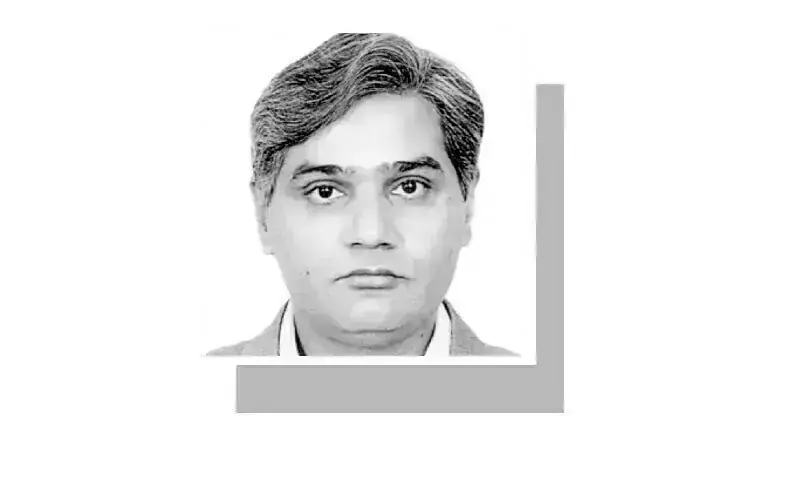
Kamran Bokhari, a prominent strategic analyst based in the US, has noted that Washington has assigned Pakistan a significant role in the changing global order, yet its confrontation with India does not align with this emerging role.
However, it remains to be seen what exactly Pakistan will gain from the new global order, as this will determine its future strategic course. So far, Pakistan has found a sense of relevance in the regional and global political order that it had long been seeking.
In the changing world order, Pakistan can best be described as a swing state, a term gradually finding a place in international relations after originating in US domestic politics. It provides maximum strategic flexibility for states capable of diversifying their interests. A swing state differs from a client state, which is highly dependent on a superior strategic partner, and from a security state, which is only partially autonomous. Instead, it is strategically autonomous, flexible and avoids rigid alliances.
The country has a grand opportunity to become a long-term peace broker in West Asia.
Pakistan has earned the status of a swing state through difficult experimentation, such as balancing its relations with China and the US in the recent past. Along with a few other middle powers, it has been struggling to find a position that best defines its character in a multipolar system, as these states have had to manage relations with the US, China and Russia.
The shift in the 2025 National Security Strategy (NSS) under President Donald Trump’s administration, which moves away from a strict focus on major power competition and from traditional burden-sharing towards a more assertive model of ‘burden-shifting’ or ‘regional responsibility’, has created space and redefined the role of middle powers like Pakistan.
In West Asia, the US is shifting towards a model where Israel and the Gulf states take primary responsibility for regional security, while Washington reduces direct intervention and integrates partners into defence, technology and energy systems. At the same time, it is deprioritising the region, focusing on stability over governance or human rights, and treating the Middle East as a secondary theatre in its global strategy.
At first, Pakistan was chosen by the US to share part of this burden in West Asia because of its defence capabilities and religious affinity profile, whether as part of the ‘Board of Peace’, a stabilisation force in Gaza, or in developing a strategic equilibrium in the region. This has already manifested in a defence pact with Saudi Arabia, and Pakistan now appears to be in the process of joining a middle power alignment with Saudi Arabia and Turkiye. In the future, Israel may also join such an arrangement.
This, however, would be the most complicated aspect of any middle power alignment, as Israel has divergent strategic and political ambitions embedded in its ideology, particularly towards Turkiye. If forced into such a framework, Israel would remain an awkward member of a West Asian middle power grouping unless it revises its fear-based strategic doctrine, adopts a more conciliatory approach towards its neighbours, and moves towards a resolution of the Palestinian issue.
One thing is apparent: once the crisis subsides in West Asia, the relationship between Israel and the US will not remain the same. The US is likely to avoid large-scale direct military involvement in the region, which will reduce Israel’s hegemonic posture. As a result, Israel may attempt to achieve maximum gains through the use of force, as seen in Lebanon and through its positions in Syria and the Palestinian territories.
Apparently, West Asian middle powers will seek to balance the strategic equilibrium with Iran, which could also become part of this grouping. This will depend on many variables, primarily on what kind of Iran emerges after a truce or a ‘grand bargain’ with the US, as President Trump referred to it.
In such a scenario, the prospects for peace and stability will remain uncertain, largely due to Israel’s distinct strategic posture and the likelihood that middle powers will not compromise their swing-state character. Instead, they will invest more in it, as it enhances their relevance on the global chessboard.
As assessed in the NSS, regional powers will themselves resolve their issues and find a way forward. Let us see if this order works, but for Pakistan, it is a grand opportunity to become a long-term peace broker in West Asia, while expanding its two roles — first, as mediator; and second, transitioning from a specialised security provider to a net security provider in the region.
For this, it would have to alter its defence hardware and strategic software and adjust its India-centric approach.
ملاحظة تحريرية | Editorial Note:
نُشر هذا المقال في الأصل بواسطة Dawn.
خبر (Khabr) هي منصة إعلامية أردنية مرخّصة تعمل بالذكاء الاصطناعي.
نضيف قيمة تحريرية من خلال: تحليل ذكي للأخبار، ملخصات تلقائية، رواية صوتية بالذكاء الاصطناعي، ترجمة متعددة اللغات، وتدقيق الحقائق.
هدفنا جعل الأخبار أكثر وضوحاً وسهولةً للقارئ العربي.
This article was originally published by Dawn.
Khabr is a licensed Jordanian AI-powered news platform (Registration #82086).
We add editorial value through: AI-powered news analysis, automated summaries, AI audio narration, multi-language translation (Arabic, English, French, Turkish), and AI fact-checking.
Our mission is to make news more accessible and understandable for Arabic-speaking audiences worldwide.
هذا الخبر ضمن تغطية خبر لقسم سياسة.
نقدّم لك تحليلات ذكية وملخصات يومية لأهم الأخبار من مصادر موثوقة متعددة.
المصدر: Dawn.
يوجد 6 مقالات مرتبطة بهذا الموضوع.
This article is part of Khabr's coverage of Politics.
We provide AI-powered analysis, summaries, and multi-source aggregation to keep you informed.
Source: Dawn.
Tags: politics, Pakistan, Asim Munir.
🍪 نستخدم ملفات تعريف الارتباط لتحسين تجربتك وعرض الإعلانات المخصصة. باستخدامك للموقع، فإنك توافق على سياسة ملفات تعريف الارتباط وسياسة الخصوصية.
We use cookies to enhance your experience and show personalized ads. By using this site, you agree to our Cookie Policy and Privacy Policy.
🔍
FREEFree 1GB Internet + Free International Calls
$1 trial — eSIM in 190+ countries — No roaming charges